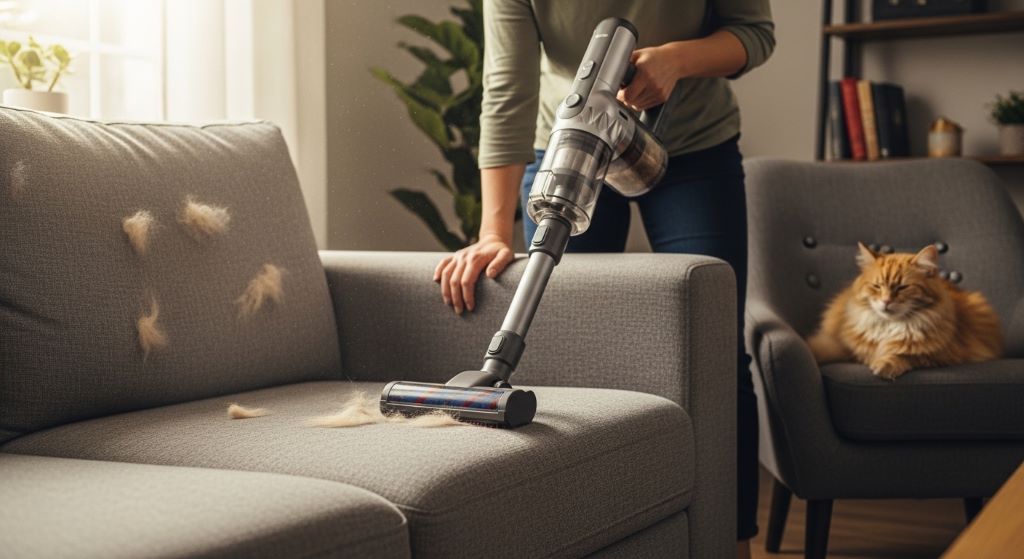
Pet ownership is one of life’s great joys. However, the fur that comes with it is a different story. If you share your home with a dog or cat, you already know the struggle. Hair ends up on your sofa, your carpet, your clothes, and somehow even your dinner. Cleaning it up quickly becomes a full-time job.
The right vacuum can change everything. A good one lifts pet hair from every surface with ease. The challenge, however, is that many top-rated models carry a very steep price. You do not need to spend hundreds of dollars to get excellent results. This guide will show you exactly how to find a vacuum that handles pet hair brilliantly without draining your wallet.
Why Pet Hair Is So Difficult to Clean
Before choosing a vacuum, it helps to understand why pet hair is so tricky. Unlike regular dust or dirt, pet hair tends to weave itself into fabric fibers. It wraps around vacuum brush rolls. It also becomes airborne very easily, which means it spreads rather than gets collected if your vacuum is not up to the task.
Cat hair in particular presents a unique challenge. It is fine, light, and tends to cling to surfaces through static electricity. This is why many people turn to a dedicated cat fur remover tool or accessory alongside their main vacuum. Additionally, pet dander, the microscopic skin flakes attached to the hair, can trigger allergies if not properly captured by filters.
Therefore, a vacuum designed for pet hair needs to do more than just pick things up. It needs to hold onto what it collects, filter the air effectively, and resist clogging even when dealing with thick fur.
The Features That Actually Matter
The vacuum market is full of impressive-sounding claims. It can be hard to know which features are genuinely useful and which are just marketing. Here is what you should actually pay attention to when evaluating a pet hair vacuum.
Suction Power
This is the most important feature of all. A powerful suction vacuum is what separates a genuinely effective machine from one that merely moves fur around. Suction is measured in air watts or pascals. However, raw numbers can be misleading. What matters more is how well suction is maintained across different surfaces and attachments.
Look for reviews that specifically test the vacuum on carpets, hardwood floors, and upholstery. A vacuum that performs well on all three is far more valuable than one that excels only on hard floors.
Filtration System
A HEPA filter is worth prioritizing, especially if anyone in your household has allergies or asthma. HEPA filters trap 99.97 percent of particles as small as 0.3 microns. This includes pet dander, dust mites, and pollen. Without proper filtration, your vacuum can actually release these particles back into the air.
Additionally, look for sealed filtration systems. This means the air inside the vacuum cannot bypass the filter. Many affordable models now include sealed HEPA systems, so this feature is no longer exclusive to premium-priced machines.
Brush Roll Design
The brush roll is the spinning mechanism at the base of the vacuum head. Standard brush rolls are notorious for tangling with long pet hair. Over time, this reduces suction and makes cleaning the brush roll a frustrating chore.
Look for vacuums with tangle-free or self-cleaning brush rolls. These are designed with geometry that prevents hair from wrapping around the central axle. Some models also allow you to cut hair off the brush roll without tools. This small feature saves a lot of time and effort in the long run.
Attachments and Accessories
The right attachment can make a significant difference. A motorized pet brush is especially useful for upholstery, stairs, and car seats. It uses a small spinning brush to agitate and lift embedded fur. Standard suction alone often cannot achieve the same result on fabric surfaces.
Additionally, a crevice tool helps reach fur that collects in corners, along baseboards, and between sofa cushions. Some brands also include a cat fur remover attachment designed specifically for fine, clingy feline hair. These targeted tools extend the usefulness of your vacuum across your entire home.
Dustbin Capacity and Type
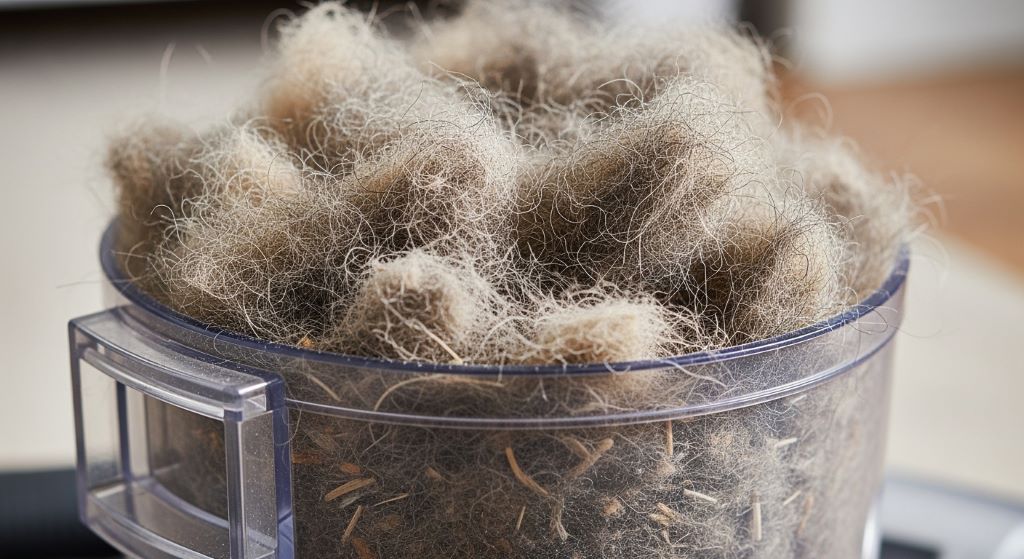
Bagged vacuums tend to hold more debris and release less dust when emptying. However, the ongoing cost of replacement bags adds up over time. Bagless models are generally more economical and more convenient. Most modern pet hair vacuums are bagless, with transparent bins that let you see when they need emptying.
For pet owners, a larger dustbin means fewer interruptions during cleaning. Look for a capacity of at least 0.5 liters. Anything smaller will require constant emptying, especially during heavy shedding seasons.
Upright vs. Canister vs. Stick vs. Robot: Which Type Is Best?
Each vacuum style has its strengths and weaknesses when it comes to pet hair. Knowing your priorities will help you choose the right type.
Upright Vacuums
These are the traditional, standing vacuums. They tend to offer the most powerful suction vacuum performance for deep carpet cleaning. They work extremely well on large carpeted areas. However, they can be heavy and less maneuverable around furniture.
Canister Vacuums
Canisters separate the motor and dustbin from the cleaning head. This makes them very flexible and easy to use on stairs, upholstery, and hard-to-reach areas. Additionally, they are often quieter than uprights. The trade-off is that you have to drag the canister body behind you as you clean.
Stick Vacuums
Lightweight and cordless stick vacuums have become extremely popular. They are ideal for quick daily cleanups of fur before it builds up. Modern stick vacuums have improved dramatically in suction power. However, battery life and dustbin size remain limiting factors for deep cleaning sessions.
Robot Vacuums
A robot vacuum will not replace a full-size machine. However, it is an excellent companion tool. Setting one to run daily means fur never gets a chance to accumulate. For pet owners, a robot vacuum scheduled to run twice a day can dramatically reduce the workload on your main vacuum.
How to Set a Realistic Budget
You do not need to spend a fortune to get a great pet hair vacuum. The market has expanded significantly, and excellent options exist at every price level. Here is a general breakdown of what to expect at different price points.
- Under $80: Entry-level options. Good for light shedding and small homes. Suction and filtration are usually adequate but not exceptional. Fine for a single short-hair pet.
- $80 to $150: This is the sweet spot for most pet owners. You get solid suction, decent filtration, and useful attachments without paying a luxury premium.
- $150 to $300: Strong performance across all surfaces. Often includes HEPA filtration, tangle-free brush rolls, and multiple pet-specific tools.
- Over $300: Premium territory. Excellent build quality and performance. However, for most households, this level of investment is not necessary.
Therefore, if your budget is limited, aim for the $80 to $150 range. You will find genuinely capable machines in this category without compromising on the features that matter most.
Smart Shopping Tips to Avoid Overpaying
Even within your budget, there are ways to get more value for your money. These strategies will help you shop smarter.
First, shop during sale events. Black Friday, Prime Day, and end-of-year clearance events often feature deep discounts on vacuums. Setting a price alert on a product you are watching can save you a significant amount.
Second, consider last year’s model. When a brand releases a new vacuum version, the previous model typically drops in price. The differences between generations are often minor. You can get excellent performance at a reduced cost simply by choosing the older version.
Third, read reviews from pet owners specifically. General vacuum reviews may not reflect how a machine handles thick fur or fine cat hair. Additionally, look for long-term reviews that mention how the vacuum performs after months of use, not just out of the box.
Fourth, check warranty length. A longer warranty signals manufacturer confidence in the product. A two-year warranty on a budget machine is a good sign. Conversely, a 90-day warranty on any vacuum should give you pause.
Surfaces to Consider in Your Home
The types of surfaces in your home should influence your vacuum choice more than almost anything else. Pet hair behaves differently on carpet, hardwood, tile, and fabric.
On carpet, hair embeds itself deep into the fibers. You need strong suction and a motorized brush roll to pull it out. On hard floors, the challenge is different. Suction that is too aggressive can scatter light hair rather than capture it. Look for a vacuum with adjustable suction settings or a dedicated hard floor mode.
On upholstered furniture, standard floor tools are not very effective. A motorized mini brush attachment is ideal here. It agitates the fabric surface and loosens embedded hair before suction lifts it away. This is especially important if you have cats that love to lounge on sofas.
Additionally, if you have rugs with fringe, be careful with powerful suction settings, as they can pull and damage the edges. Some vacuums include a suction slider or a rug mode to handle this safely.
Maintenance Tips to Keep Your Vacuum Performing Well
A vacuum is only as good as the care you give it. Even the best machine will underperform if it is not properly maintained. Here are some simple habits to keep your vacuum running at its best.
- Empty the dustbin after every use. A full bin reduces suction and can push fine particles back into the air.
- Clean or replace filters regularly. Most manufacturers recommend cleaning washable filters monthly and replacing non-washable ones every three to six months.
- Remove hair from the brush roll after each session. Even tangle-resistant designs benefit from a quick check after vacuuming large amounts of pet hair.
- Check for blockages in hoses and attachments. A partial blockage can dramatically reduce suction without triggering an obvious warning.
- Wipe down the exterior and brush roll housing monthly. Dirt and dander build up in hidden spots and can affect performance over time.
Following these steps will extend the lifespan of your vacuum and ensure it continues to deliver strong, consistent performance session after session.
Red Flags to Watch Out For
Not every affordable vacuum is a good deal. Some budget models cut corners in ways that make them frustrating to use. Here are some warning signs to watch for when evaluating a product.
Unusually low prices with vague product descriptions are a common sign of poor quality. If a vacuum claims to do everything but provides no specifics about suction power, filter type, or brush roll design, be cautious.
Reviews that mention rapid suction loss are a major red flag. This usually points to a poorly sealed system or a filter that clogs too quickly. Additionally, reviews that note difficulty cleaning the machine itself suggest a design that will frustrate you in everyday use.
Avoid vacuums with no customer support information. If something goes wrong, you want to be able to reach the manufacturer. A company with no contact page, no warranty terms, and no spare parts available is one to avoid regardless of how attractive the price may seem.
Conclusion
Finding an excellent vacuum for pet hair does not require a large budget. It requires knowing what to look for and where to shop. Focus on suction power, filtration quality, brush roll design, and the right attachments for your specific surfaces. These four elements will determine how well a vacuum handles the daily challenge of pet fur.
Set a realistic budget and aim for the $80 to $150 range for the best balance of performance and value. Shop smart by timing your purchases around sales, considering previous-year models, and reading reviews from fellow pet owners. Additionally, commit to regular maintenance so your machine stays effective for years.
Whether you have a long-haired cat or a high-shedding dog, the right vacuum is out there at a price that makes sense. With the guidance in this article, you are ready to make a confident, well-informed choice. A cleaner home is closer than you think.
Frequently Asked Questions
1. What type of vacuum is best for removing pet hair from carpets?
Upright vacuums generally perform best on carpets because they combine strong suction with a motorized brush roll that agitates carpet fibers. Look for a model with adjustable brush roll height to accommodate different carpet thicknesses. Additionally, a HEPA filter will ensure that dander lifted from the carpet does not get recirculated into the air.
2. How often should I vacuum if I have multiple pets?
For homes with two or more pets, vacuuming at least three to four times a week is recommended. If shedding is heavy or allergy symptoms are present, daily vacuuming of high-traffic areas is ideal. Using a robot vacuum on a daily schedule can reduce the burden on your main cleaning sessions significantly.
3. Do I need a vacuum specifically marketed as a pet hair vacuum?
Not necessarily. A pet hair vacuum is simply a regular vacuum that has been optimized with certain features such as a tangle-free brush roll, stronger filtration, and targeted accessories. However, any vacuum with strong suction, HEPA filtration, and a motorized pet brush can perform just as well, even if it is not labeled as a pet-specific model.
4. Is a cordless vacuum powerful enough for pet hair?
Modern cordless stick vacuums have closed the performance gap with corded models considerably. Many now offer suction strong enough for daily pet hair pickup on both carpets and hard floors. However, for deep cleaning sessions or large carpeted areas, a corded model typically still offers more consistent power and run time.
5. How do I stop pet hair from clogging my vacuum so quickly?
The most effective prevention is emptying the dustbin before it reaches full capacity, not after. Additionally, clean the brush roll and filters regularly. If your pet is a heavy shedder, consider brushing them outdoors several times a week to reduce the volume of loose fur in your home. Some pet owners also use a cat fur remover lint roller on furniture before vacuuming to collect the top layer of hair and reduce strain on the machine.
Related Topics:
Pool Filter Balls vs Sand – Which is Better?
How to Start House Cleaning Jobs Near You Step by Step