Every gardener eventually faces a tough job. Overgrown shrubs, thick woody stems, and stubborn branches all demand the right tool. Using the wrong shears makes the work harder and damages your plants. Therefore, choosing the right pair of pruning shears is one of the most important decisions a gardener can make.
This guide walks you through everything you need to know. From blade types to handle comfort, each detail matters. By the end, you will know exactly what to look for before you spend your money.
Why the Right Pruning Shears Make a Real Difference
Many gardeners underestimate the importance of quality cutting tools. A dull or poorly designed pair of shears tears plant tissue rather than cutting it cleanly. This opens the door to disease and slows plant recovery.
On the other hand, a sharp and well-built pair of shears cuts cleanly and quickly. This reduces strain on your hands and wrists. It also protects the health of your plants. Additionally, the right tool simply makes gardening more enjoyable. Work that once felt exhausting becomes manageable and satisfying.
Understanding the Different Types of Pruning Shears
Not all pruning shears are built the same way. Knowing the differences helps you choose the right tool for your specific tasks.
Bypass Pruning Shears
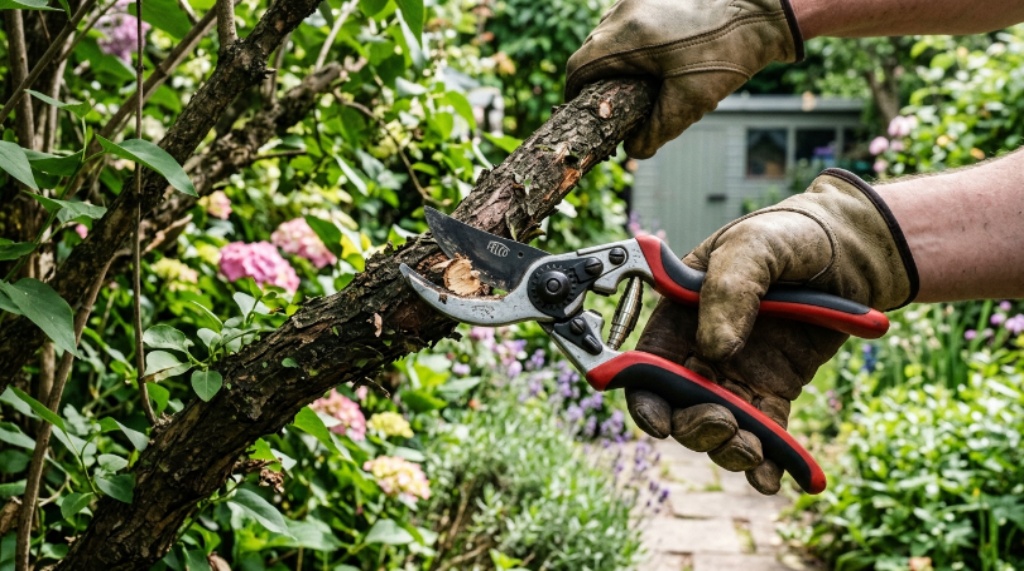
Bypass shears work like scissors. Two curved blades pass each other to create a clean, precise cut. They are ideal for living stems and green wood. Most gardeners consider bypass shears the most versatile option available. They work well on branches up to about three-quarters of an inch thick.
Anvil Pruning Shears
Anvil shears use a single straight blade that presses down onto a flat surface. This design generates more cutting force. Therefore, it suits dry, dead, or very hard wood well. However, anvil shears can crush softer, living tissue if used incorrectly. They are best reserved for woody, tough material.
Ratchet Pruning Shears
Ratchet shears use a stepping mechanism that builds cutting force in stages. This design reduces the effort needed for each cut. They are especially helpful for gardeners with limited hand strength or arthritis. Additionally, they handle thicker branches without requiring a single powerful squeeze.
Key Features to Look for in Heavy Duty Pruning Shears
Choosing between models requires more than picking a type. Several features separate a reliable tool from one that disappoints within a single season.
Blade Material and Quality
The blade is the most important part of any pruning shear. High-carbon steel holds a sharp edge longer than standard steel. Stainless steel resists rust and corrosion, which matters in wet climates. Titanium-coated blades offer added durability and reduce friction during cutting. Look for blades that can be resharpened at home. A blade you can maintain will last far longer than one you have to replace.
Handle Design and Comfort
Long gardening sessions put real stress on your hands. Therefore, handle design deserves serious attention. Ergonomic handles reduce hand fatigue and improve control. Non-slip grip materials like rubber or soft plastic keep the shears secure even when your hands are wet or muddy. Additionally, some handles are designed specifically for smaller or larger hands. Choosing a size that fits your grip naturally makes a noticeable difference over time.
Spring Mechanism
A good spring opens the blades automatically after each cut. This reduces repetitive strain significantly. Look for a spring that feels smooth and consistent. A weak or stiff spring will wear out your hand faster than almost anything else. Some models offer a replaceable spring, which extends the tool’s overall lifespan.
Cutting Capacity
Check the maximum cutting diameter before buying. Most standard shears handle branches up to three-quarters of an inch thick. Heavy duty models can manage branches up to one and a half inches. Choosing a pair with more cutting capacity than you currently need gives you room to grow and handle unexpected tasks.
Locking Safety Latch
Every pair of pruning shears should have a reliable safety latch. This keeps the blades closed when the tool is not in use. A good latch opens and closes easily with one hand. It should feel secure rather than flimsy. This small feature protects you from accidental cuts during storage and transport.
The Importance of Durable Garden Shears for Serious Gardeners
Casual gardeners may get by with a basic pair of shears. However, anyone tackling large gardens, orchards, or regular heavy pruning needs durable garden shears that hold up to sustained use. Tools that bend, dull quickly, or break under pressure cost more in replacements than a quality pair ever would upfront.
Investing in a reliable pair means fewer interruptions during work. It also means cleaner cuts, healthier plants, and less physical strain over the long term. Therefore, think of quality pruning shears as a long-term investment rather than a one-time purchase.
What Makes Professional Pruning Tools Worth the Price
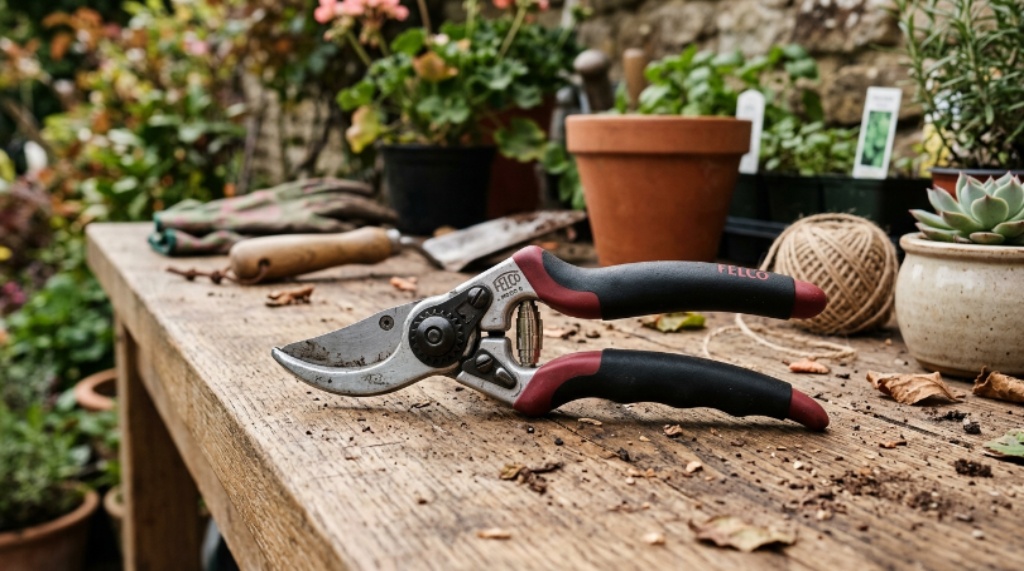
Professional pruning tools are built to different standards than budget alternatives. The materials are better. The tolerances are tighter. The ergonomics are tested over time by people who use these tools daily.
That said, professional-grade does not always mean the most expensive option on the shelf. It means tools designed to perform consistently under heavy use. Features like forged steel blades, adjustable tension screws, and replaceable parts signal genuine quality. These features allow the tool to be tuned and maintained rather than discarded.
For home gardeners taking on challenging tasks, professional pruning tools offer a meaningful advantage. They perform better, last longer, and reduce the risk of injury from tool failure.
How to Maintain Your Pruning Shears for Long-Term Performance
Even the best shears need regular care. Maintenance is simple and takes only a few minutes after each use.
Here are the most important steps:
- Clean the blades after every use: Wipe off sap, dirt, and moisture with a dry cloth. Sap buildup dulls blades and causes them to stick.
- Oil the pivot point regularly: A drop of light machine oil keeps the mechanism moving smoothly and prevents rust at the joint.
- Sharpen the blade as needed: Use a small whetstone or a dedicated blade sharpener. A sharp blade cuts better and puts less strain on your hand.
- Inspect the spring and latch: Check these parts each season. Replace them if they feel weak or worn. Replacement parts are inexpensive and easy to find.
- Store shears in a dry place: Moisture is the main enemy of steel blades. Keep shears in a dry shed or hang them indoors when not in use.
Consistent maintenance extends the life of your shears significantly. Additionally, it ensures the tool performs at its best every time you reach for it.
Matching Your Shears to the Job at Hand
No single pair of pruning shears handles every task perfectly. Therefore, it helps to think about the jobs you tackle most often before choosing.
For delicate pruning of roses, herbs, and small stems, a lightweight bypass shear with a precision blade is the right choice. For cutting through old, thick, woody shrubs or dead branches, an anvil or ratchet design offers the extra force you need. For regular maintenance across a mixed garden, a mid-weight bypass shear with a comfortable grip and good cutting capacity covers most situations.
Additionally, consider how long you typically spend pruning in a single session. Longer sessions demand better ergonomics. Shorter, occasional tasks allow more flexibility in your choice.
Conclusion
Choosing the best heavy duty pruning shears comes down to understanding your needs and knowing what features matter most. The blade material, handle comfort, spring quality, and cutting capacity all play a role. Durable garden shears built for heavy use will always outperform cheaper alternatives over time.
Whether you choose bypass, anvil, or ratchet shears, focus on quality construction and ergonomic design. Maintain your tools regularly and match the shear type to the job. With the right pair in hand, even the toughest gardening jobs become manageable. Therefore, take time to choose well. A reliable pair of pruning shears will serve your garden for many seasons to come.
Frequently Asked Questions
What is the difference between bypass and anvil pruning shears?
Bypass shears use two blades that pass each other like scissors, making clean cuts ideal for living plants. Anvil shears press one blade onto a flat surface, delivering more force for hard or dead wood.
How do I know when my pruning shears need sharpening?
If the shears crush or tear stems rather than cutting cleanly, the blade is dull. You may also notice the tool requires more force than usual. Sharpen the blade with a whetstone and test it on a thin, live stem.
Can I use the same pruning shears for all types of plants?
A bypass shear handles most tasks well. However, using the right type for each job produces better results and reduces strain on both the tool and the plant. Match the shear type to the material you are cutting.
How often should I oil my pruning shears?
Oil the pivot point after every few uses or whenever the mechanism feels stiff. If you use your shears daily, a light oiling every week keeps them moving smoothly and prevents rust at the joint.
Are expensive pruning shears always better than affordable ones?
Not always. Price is not the only measure of quality. Look for forged steel blades, a reliable spring, ergonomic handles, and replaceable parts. Some mid-range models offer excellent durability and performance without a premium price tag.