
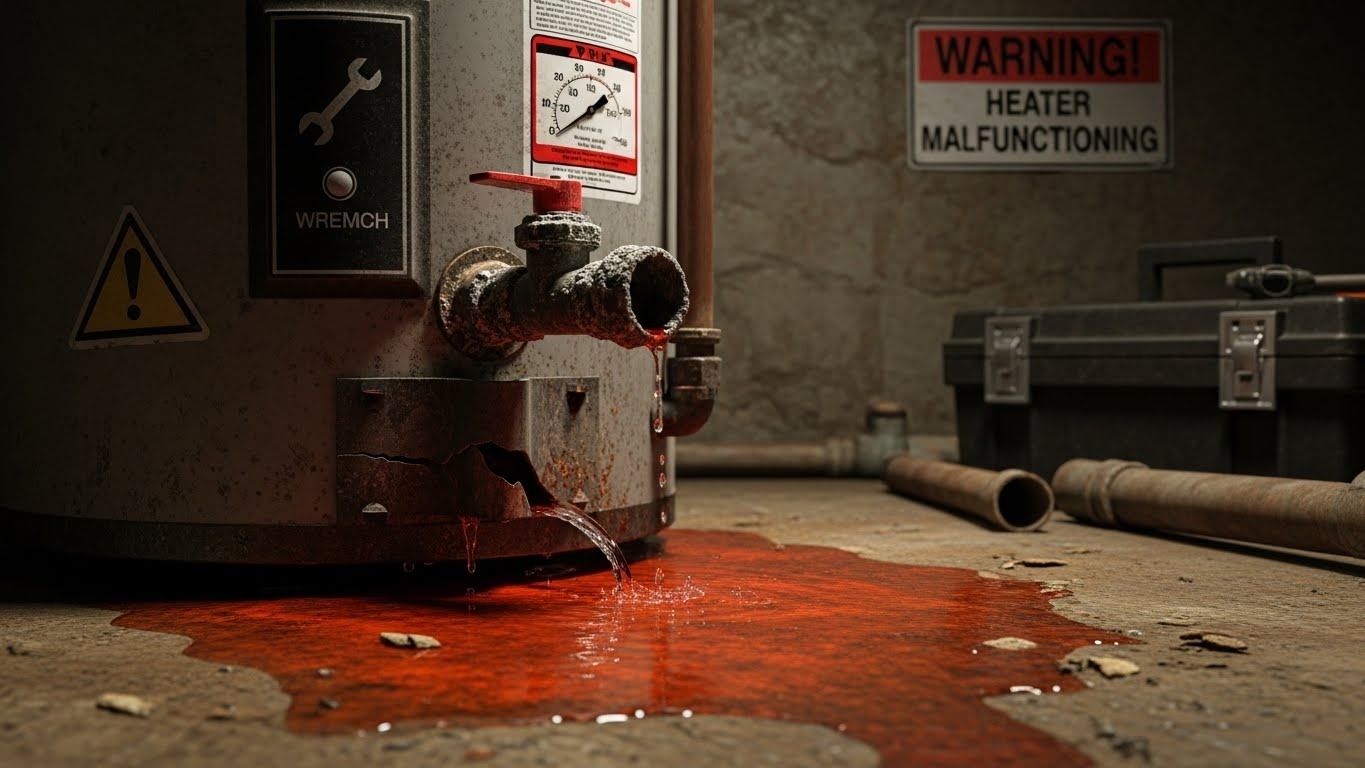
Water heater repair signs are early warning signals that your hot water system is struggling, failing, or becoming unsafe. These signs often show up quietly at first—slightly rusty water, inconsistent temperatures, or strange noises—but ignoring them can lead to sudden breakdowns, water damage, or even safety hazards.
Your water heater works hard every day. It heats water for showers, cooking, cleaning, and laundry. When something goes wrong, your home usually tells you—through sound, smell, or performance issues. The problem is that many homeowners overlook these clues until the damage is severe and expensive.
This guide breaks down the seven most critical signs your water heater is failing. Each section starts with a clear, snippet-ready answer, followed by a deeper explanation so you understand what’s happening and what to do next. Whether you own a tank or tankless system, gas or electric, these water heater problems apply to most homes.
If you spot even one of these warning signs, quick action can save you money, extend the life of your unit, and protect your home.
Why Is Your Water Heater Making Strange Noises?
Short answer: Popping, rumbling, or banging noises usually mean sediment buildup or overheating inside the tank.
One of the clearest water heater repair signs is noise. A healthy unit runs quietly. When you hear popping, cracking, or rumbling, sediment has likely settled at the bottom of the tank.
Over time, minerals from hard water collect and harden. When the burner or heating element turns on, water trapped under the sediment boils and creates noise. This forces the heater to work harder, raising energy bills and accelerating wear.

Why this is dangerous
- Reduced heating efficiency
- Overheating of the tank bottom
- Increased risk of tank failure
Ignoring these sounds can shorten your water heater’s lifespan by years. Flushing the tank may help early on, but persistent noise usually means professional repair is needed.
Why Is Your Hot Water Rusty or Discolored?
Short answer: Rusty or brown water often means internal corrosion or a failing anode rod.
If hot water comes out brown, reddish, or cloudy, it’s a major sign your water heater is failing. This typically indicates corrosion inside the tank.
The anode rod is designed to corrode first, protecting the tank. Once it’s depleted, rust attacks the steel tank itself. At that stage, replacement may be the only safe option.
How to confirm the issue
- Run cold water—if it’s clear, the heater is the source
- Check if discoloration worsens with hot water use
Rusty water isn’t just unpleasant. It signals structural weakness that can lead to leaks or sudden tank rupture.
Why Does Your Water Smell Like Rotten Eggs?
Short answer: A sulfur smell usually means bacteria reacting with the anode rod.
A rotten egg odor is one of the most unpleasant water heater problems. It’s caused by sulfur-reducing bacteria inside the tank, especially in homes with well water.
These bacteria react with the magnesium anode rod, producing hydrogen sulfide gas. The smell intensifies when hot water is used.
When smell becomes urgent
- Odor spreads throughout the home
- Smell returns quickly after flushing
- Water tastes metallic or sour
Replacing the anode rod or disinfecting the tank can solve early-stage issues. Persistent odor requires professional inspection.
Why Is Your Hot Water Running Out Too Fast?
Short answer: Sediment buildup or failing heating elements reduce usable hot water.
If your shower turns cold after just a few minutes, it’s a clear sign your water heater is struggling. This is common in older units.
Sediment takes up space meant for hot water. In electric heaters, one heating element may fail, cutting capacity in half.
Common causes
- Heavy mineral buildup
- Broken dip tube
- Failing thermostat
This issue worsens over time. What starts as inconvenience can end in total failure.
Why Is the Water Temperature Inconsistent?
Short answer: Fluctuating temperatures point to thermostat or heating control problems.
Water that’s too hot, too cold, or constantly changing is a serious water heater repair sign. Consistency matters for comfort and safety.
Faulty thermostats can overheat water, increasing scalding risk. Undershooting temperatures wastes energy and reduces usability.
What to watch for
- Sudden bursts of very hot water
- Frequent temperature adjustments needed
- No improvement after setting changes
Temperature instability rarely fixes itself. Professional calibration or part replacement is usually required.
Why Is There Water Pooling Around Your Heater?
Short answer: Leaks indicate internal tank damage, loose connections, or valve failure.
Water around the base of your heater is one of the most urgent signs your water heater is failing. Even small puddles can signal big problems.
Leaks may come from pressure relief valves, inlet connections, or cracks in the tank itself.
Why leaks are serious
- Risk of water damage and mold
- Sudden tank rupture possible
- Pressure buildup hazards
If the tank is leaking, repair is rarely permanent. Replacement is often the safest solution.
Why Are Your Energy Bills Suddenly Higher?
Short answer: An inefficient or failing heater uses more energy to deliver less hot water.
Unexpected spikes in utility bills are hidden water heater problems. As components wear down, the system works longer and harder.
Sediment buildup acts as insulation, forcing heating elements to overcompensate. Faulty thermostats may cause constant reheating.
Energy warning signs
- Higher bills without increased usage
- Longer heating cycles
- Older unit over 8–10 years
Efficiency loss often means repair or replacement is more cost-effective than continued operation.
What Should You Do If You Notice These Water Heater Repair Signs?
Your water heater rarely fails without warning. The signs are almost always there—you just need to recognize them. Strange noises, rusty water, bad smells, leaks, and inconsistent temperatures are all your system’s way of asking for help.
Ignoring these water heater repair signs can lead to expensive damage, higher energy bills, and safety risks. Acting early gives you options. Repairs are cheaper than replacements, and maintenance can add years to your unit’s life.
Call to Action: If you recognize even one of these warning signs, don’t wait. Schedule a professional inspection today. A quick check can prevent a full breakdown, protect your home, and restore reliable hot water before it’s too late.
Frequently Asked Questions About Water Heater Problems
How long does a typical water heater last?
Most tank water heaters last 8–12 years. Tankless models can last 15–20 years with proper maintenance.
Is it safe to keep using a leaking water heater?
No. Leaks can worsen quickly and may lead to flooding or pressure-related hazards.
Can flushing the tank fix all water heater problems?
Flushing helps with sediment buildup but won’t fix leaks, corrosion, or electrical failures.
What is the most common cause of water heater failure?
Sediment buildup and internal corrosion are the leading causes of failure.
Should I repair or replace my water heater?
If the unit is over 10 years old and has major issues, replacement is usually more cost-effective.
Why does my water heater work sometimes but not always?
Intermittent issues often point to failing thermostats or heating elements.
Related Topics: What Are The Benefits Of Cooking At Home?
Related Topics: Why Marcato Is the Top Choice for Authentic Homemade Pasta


