When I first considered going solar, the choice between solar tiles vs solar panels felt overwhelming. Both promise clean energy, but which is right for your home? Solar tiles blend seamlessly with your roof, while solar panels offer a traditional, cost-effective solution. My journey to understand these options revealed surprising insights about efficiency, cost, and aesthetics. This blog post will guide you through the differences between solar tiles and solar panels, using clear comparisons and personal stories to help you decide. By the end, you’ll know which solar solution fits your needs. Let’s dive into the world of solar energy and explore how these technologies can power your home sustainably.
What Are Solar Tiles and Solar Panels?
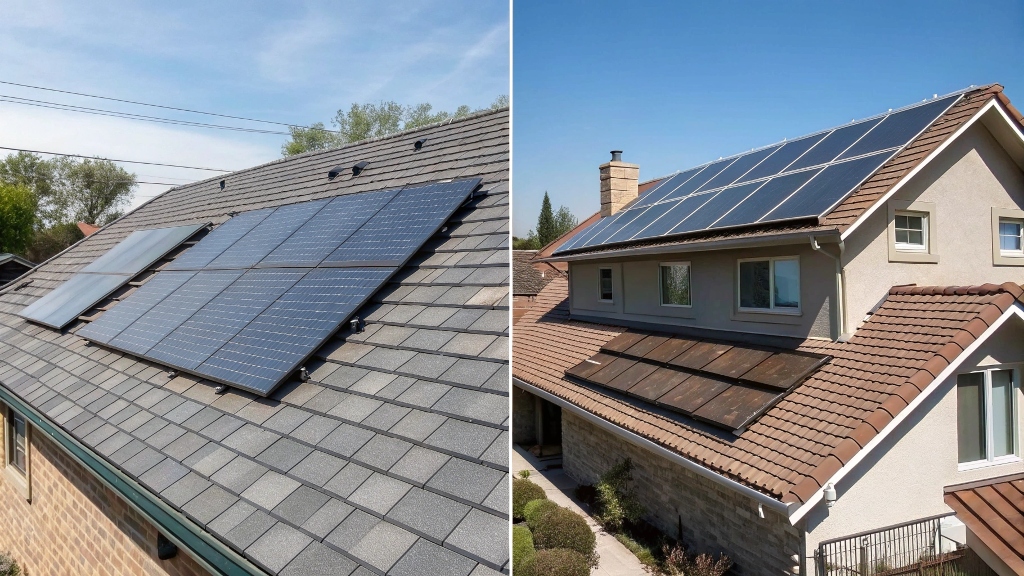
Solar tiles and solar panels both harness sunlight to generate electricity, but their designs differ significantly. Solar tiles are sleek, roof-integrated shingles that double as solar energy collectors. They blend into your home’s architecture, offering a modern aesthetic. Solar panels, however, are larger, mounted modules typically installed on top of existing roofs. My neighbor opted for panels, and their bold, utilitarian look stood out, while my cousin’s solar tiles looked like a natural part of her roof.
Functionally, both convert sunlight into electricity using photovoltaic cells. According to the National Renewable Energy Laboratory (NREL), solar panels have been around longer, making them more common, with over 2 million installations in the U.S. by 2023. Solar tiles, a newer innovation, are gaining traction for their design appeal. However, their core purpose remains the same: reducing your carbon footprint and energy bills.
Efficiency: Which Packs More Power?
Efficiency is a key factor when choosing between solar tiles and solar panels. Solar panels typically offer higher efficiency, converting 15-22% of sunlight into electricity, depending on the model. Solar tiles, while innovative, often have lower efficiency, around 10-15%, due to their smaller size and integration constraints. According to a 2024 study by the Solar Energy Industries Association (SEIA), panels outperform tiles in energy output per square foot, making them ideal for homes with limited roof space.
When I visited a solar installer, they explained that panels are better for maximizing energy production, especially in cloudy regions. However, tiles can still meet moderate energy needs, particularly for smaller households. If your goal is to power high-energy appliances, panels might be the better choice. Yet, for those prioritizing aesthetics, tiles offer a compelling trade-off.
Cost Comparison: Budgeting for Solar Energy
Cost is often the deciding factor in choosing a solar solution. Solar panels are generally more affordable, with an average cost of $2.50-$3.50 per watt, according to EnergySage’s 2024 data. A typical 6kW system might cost $15,000-$21,000 before tax credits. Solar tiles, however, are pricier, ranging from $4-$7 per watt, often doubling the total cost. My friend’s solar tile installation cost nearly $40,000 for a similar-sized system, though federal tax credits helped offset expenses.
Despite the higher upfront cost, tiles offer long-term savings by replacing traditional roofing materials. Panels, being less expensive, provide quicker returns on investment, typically within 7-10 years. Therefore, if budget is a concern, panels are the practical choice. However, if you’re reroofing, tiles might save money by combining roofing and energy costs.
Aesthetics and Home Integration
Solar tiles shine when it comes to aesthetics. Designed to mimic traditional shingles, they blend seamlessly with your roof, creating a sleek, modern look. When I saw my cousin’s home with solar tiles, I barely noticed they were solar-powered. Solar panels, conversely, sit atop your roof, creating a more industrial appearance. For historic homes or neighborhoods with strict HOA rules, tiles are often preferred.
However, panels are easier to install and maintain, as they don’t require roof replacement. Tiles demand a full roof overhaul, which can disrupt your home. According to SEIA, 60% of homeowners prioritize aesthetics when considering solar, making tiles appealing for design-conscious buyers. If curb appeal is your priority, tiles are worth considering, but panels offer simplicity and versatility.
Installation and Maintenance: What to Expect
Installing solar panels is straightforward, typically taking 1-3 days. They’re mounted on racks, leaving your existing roof intact. Solar tiles, however, require a complete roof replacement, extending installation to 1-2 weeks. My neighbor’s panel installation was quick, but my cousin’s tile project caused a week of construction noise. Maintenance for both is minimal, requiring occasional cleaning and inspections. Panels are easier to access for repairs, while tiles may need specialized labor.
Durability is another consideration. Panels last 25-30 years, while tiles, integrated into the roof, can last longer but are costlier to replace. NREL notes that panels are less prone to damage during installation. Therefore, if you want a hassle-free setup, panels are the way to go. Tiles, however, offer a unified roofing solution for new builds.
Environmental Impact: Saving the Planet
Both solar tiles and solar panels reduce your carbon footprint by generating clean energy. A typical 6kW solar panel system offsets about 8 tons of CO2 annually, per the Environmental Protection Agency (EPA). Tiles offer similar benefits but may require more materials during manufacturing, slightly increasing their environmental footprint. My decision to go solar stemmed from wanting to reduce my home’s reliance on fossil fuels, and both options deliver on that promise.
Panels, being more efficient, maximize energy production, potentially offsetting more emissions. Tiles, while less efficient, still contribute significantly to sustainability. If you’re passionate about green living, either choice supports a cleaner planet. However, panels might edge out slightly for those aiming to maximize environmental impact due to their higher efficiency and lower production costs.
Which Is Right for Your Home?
Choosing between solar tiles and solar panels depends on your priorities. If budget and efficiency are key, panels are the practical choice. Their lower cost and higher energy output make them ideal for most homeowners. However, if aesthetics and long-term roofing solutions matter more, tiles are worth the investment. My cousin chose tiles for her modern home, while my neighbor picked panels to save money. Both are happy with their decisions.
Consider your roof’s condition, energy needs, and aesthetic preferences. If you’re reroofing, tiles might be cost-effective. For quick installation and savings, panels are hard to beat. Research local incentives, as the federal solar tax credit can reduce costs by up to 30%.
Conclusion: Power Your Home, Your Way
Deciding between solar tiles and solar panels is a personal journey, balancing cost, efficiency, and style. Solar tiles offer a sleek, integrated look, perfect for design-focused homeowners, while solar panels provide affordability and high energy output. My exploration of these options taught me that both can power your home sustainably, but the right choice depends on your needs. Whether you prioritize aesthetics or budget, solar energy is a step toward a greener future. Share your thoughts in the comments below or spread the word about solar solutions! Ready to go solar? Start researching today to find the perfect fit for your home.
Read More Also: Childproofing Sharp Furniture Corners
FAQs
What is the main difference between solar tiles and solar panels?
Solar tiles are roof-integrated shingles that generate electricity, while solar panels are mounted modules placed on existing roofs.
Are solar tiles more expensive than solar panels?
Yes, solar tiles cost $4-$7 per watt, while solar panels cost $2.50-$3.50 per watt, making tiles pricier.
How long do solar tiles and solar panels last?
Both last 25-30 years, but tiles may last longer as part of the roof, though repairs can be costlier.
Can solar tiles power an entire home?
Yes, but their lower efficiency (10-15%) may require more tiles to meet high energy demands compared to panels.
Which is better for aesthetics, solar tiles or solar panels?
Solar tiles blend seamlessly with roofs, offering a sleek look, while panels have a more industrial appearance.
Discover More: Choosing the Best Paint for Kitchen Cabinets in 2025