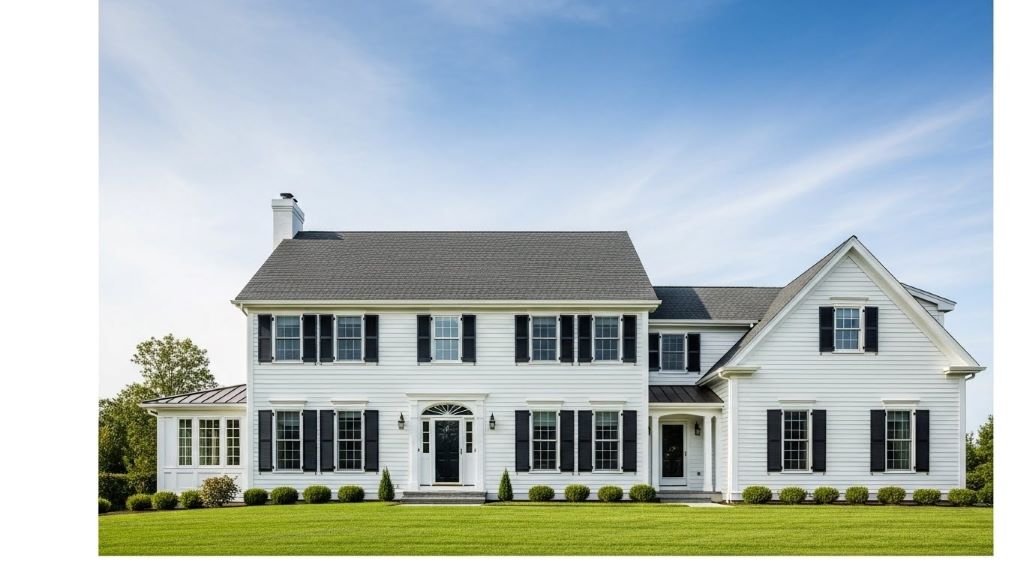
Colonial homes remain some of the most recognizable structures in American architecture. These classic buildings feature distinctive roof designs that have stood the test of time. The gable roof, in particular, played a central role in colonial construction. Understanding these roof types helps homeowners appreciate historical architecture and make informed decisions about restoration or new construction.
What Makes a Gable Roof
A gable roof consists of two sloping sides that meet at a ridge. This creates a triangular shape at each end of the building. The triangular section is called the gable. Colonial builders favored this design for several practical reasons. First, the steep slopes allowed rain and snow to slide off easily. Additionally, the simple construction required fewer materials than complex roof designs.
The gable roof provided excellent ventilation for colonial homes. Air could circulate through the attic space, keeping homes cooler in summer. Furthermore, the steep pitch created usable attic storage. Many colonial families used this space for sleeping quarters or storing goods.
Side Gable Roofs in Colonial Architecture
The side gable represents the most common type found on colonial homes. This design features the ridge running parallel to the street. The gables face the sides of the house rather than the front. Colonial builders appreciated this style for its simplicity and efficiency.
Side gable roofs typically have a pitch between 7:12 and 12:12. This means the roof rises seven to twelve inches for every twelve inches of horizontal distance. The steeper pitch helped shed snow in northern colonies. Meanwhile, southern colonies sometimes used gentler slopes where snow was less common.
Many Cape Cod and Colonial Revival homes showcase side gable roofs. The design creates a symmetrical appearance that colonists found aesthetically pleasing. Moreover, the structure distributed weight evenly across the building’s walls. This made construction more stable and durable.
Front Gable Roofs and Their Colonial Uses
Front gable roofs position the ridge perpendicular to the street. The gable faces forward, creating a triangular focal point on the home’s facade. This design became popular in certain colonial regions, particularly in New England.
Georgian colonial homes sometimes incorporated front gables as decorative elements. However, full front gable roofs were less common in early colonial period. They gained popularity later as architectural styles evolved. The front-facing gable allowed builders to add windows that brought light into upper floors.
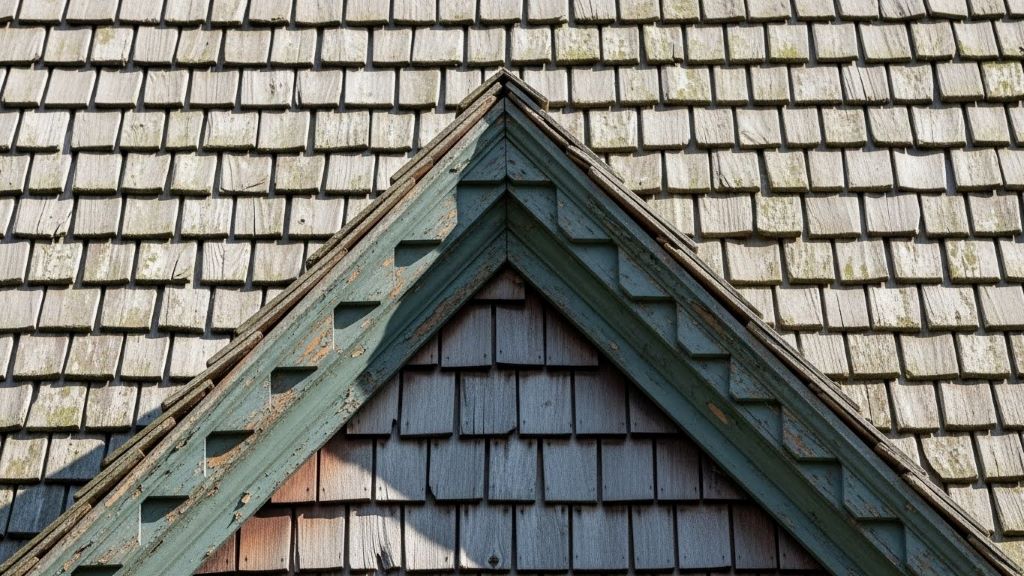
This roof type also provided opportunities for architectural embellishment. Colonial craftsmen added decorative trim, known as bargeboard, to the gable edges. Additionally, they installed ornamental windows in the gable face. These features enhanced the home’s curb appeal while maintaining practical function.
Cross Gable Roofs for Larger Colonial Estates
Cross gable roofs feature two or more gable sections that intersect. The ridges run perpendicular to each other, creating an L-shape or more complex footprint. Wealthy colonial landowners often chose this design for their larger homes.
The cross gable allowed for more interesting floor plans. Rooms could extend into different wings of the house. Furthermore, the design provided better natural lighting throughout the home. Each gable section could include windows that illuminated different areas.
According to architectural historians at This Old House, cross gable roofs became increasingly popular in the late colonial period. They represented a departure from the strict symmetry of earlier colonial designs. However, they maintained the practical benefits of the basic gable structure.
Construction of cross gable roofs required more skill and materials. The valleys where gable sections met needed careful waterproofing. Colonial builders developed effective techniques using wooden shingles and lead flashing. These methods kept homes dry despite the complex roof geometry.
Dutch Gable Variations
The Dutch gable combines elements of gable and hip roof designs. A small gable sits atop a hip roof section. This creates a distinctive stepped appearance. Dutch colonial settlers brought this style to America, particularly in New York and New Jersey.
The Dutch gable offered both aesthetic and practical advantages. The hip roof section provided excellent wind resistance. Meanwhile, the gable portion allowed for attic ventilation and windows. This combination made the design well-suited to varied weather conditions.
Many Dutch colonial homes featured gambrel roofs, a close relative of the Dutch gable. The gambrel has two slopes on each side, with the lower slope being steeper. This design maximized attic space while maintaining the benefits of a gable-style roof. Barns commonly used this design, but residential applications were also popular.
Materials and Construction Methods
Colonial builders constructed gable roofs using locally available materials. Wooden frames formed the basic structure. Oak, pine, and chestnut were common timber choices. These hardwoods provided strength and durability.
Roof coverings varied by region and wealth. Wooden shingles, often cedar, were the most common choice. They were relatively inexpensive and locally sourced. Wealthier colonists sometimes imported slate tiles. However, this remained rare due to the expense.
The construction process began with laying the ridge beam. Rafters extended from the ridge to the exterior walls. Colonial carpenters used mortise and tenon joints to connect these elements. These traditional joinery techniques created strong, long-lasting structures without modern fasteners.
Regional Variations in Colonial Gable Roofs
Different colonial regions developed distinct gable roof characteristics. New England homes typically featured steep pitches to handle heavy snow loads. The pitch often exceeded 10:12 in areas with harsh winters. These roofs also extended slightly beyond the walls, protecting them from weather.
Southern colonial homes used gentler roof slopes. The climate required less concern about snow accumulation. Therefore, builders could reduce the pitch to 6:12 or even less. This saved on materials while still providing adequate water drainage.
Mid-Atlantic colonies showed influence from various European traditions. Real estate experts note that homes in Pennsylvania and Maryland often blended English, German, and Dutch architectural elements. This created unique gable roof variations that reflected the region’s diverse heritage.
Advantages of Colonial Gable Roof Designs
Gable roofs offered numerous practical benefits to colonial homeowners. The simple design made construction relatively straightforward. Fewer skilled laborers were needed compared to more complex roof types. This reduced both time and cost of building.
The steep pitch provided excellent water drainage. Rain and melting snow flowed quickly off the roof surface. This prevented leaks and extended the roof’s lifespan. Additionally, the design shed leaves and debris naturally.
Maintenance requirements remained minimal for gable roofs. Colonial homeowners could easily inspect and repair damaged shingles. The straightforward structure made identifying problems simple. Furthermore, the accessible attic space allowed for interior inspections.
Modern Preservation and Restoration
Today’s homeowners face unique challenges when preserving colonial gable roofs. Historical accuracy often conflicts with modern building codes. However, many solutions exist that honor both requirements. Preservation specialists can help navigate these issues.
Modern materials can replicate the appearance of colonial roofing. Synthetic slate and composite shingles offer durability while maintaining historical aesthetics. These materials often exceed the lifespan of original colonial roofing. Nevertheless, they require careful selection to ensure visual compatibility.
Structural reinforcement sometimes becomes necessary in restoration projects. Colonial timber may have deteriorated over centuries. Modern engineers can strengthen these structures while preserving original elements. This approach maintains historical integrity while ensuring safety.
Conclusion
Gable roofs defined colonial American architecture through their practical design and elegant simplicity. From the common side gable to the elaborate cross gable, these roofs served colonial families well for generations. The various types reflected regional needs, available materials, and cultural influences. Understanding these historical roof designs helps preserve architectural heritage. Moreover, it provides valuable insights for homeowners considering colonial-style construction or restoration. The enduring popularity of gable roofs testifies to the wisdom of colonial builders. Their designs continue to inspire modern architecture while maintaining their practical advantages. Whether restoring a historical property or building a new colonial-style home, these timeless roof designs offer beauty and functionality.
Frequently Asked Questions
What is the most common gable roof type on colonial homes?
The side gable roof is the most common type found on colonial homes. The ridge runs parallel to the street with gables on the sides. This design appeared frequently on Cape Cod and Colonial Revival style homes throughout early American settlements.
Why did colonial builders prefer gable roofs?
Colonial builders chose gable roofs for their simplicity, durability, and practical benefits. The design shed water and snow effectively while requiring fewer materials than complex roofs. Additionally, the steep pitch created valuable attic storage space.
What is the typical pitch of a colonial gable roof?
Colonial gable roofs typically have pitches ranging from 7:12 to 12:12. Northern colonies often used steeper pitches to handle heavy snow loads. Southern regions sometimes employed gentler slopes around 6:12 due to milder climates.
How do Dutch gable roofs differ from standard gable roofs?
Dutch gable roofs combine hip and gable roof elements. A small gable sits atop a hip roof section, creating a distinctive appearance. This design provided better wind resistance than standard gables while maintaining ventilation benefits.
What materials did colonial builders use for gable roofs?
Colonial builders primarily used wooden frames made from oak, pine, or chestnut. Cedar shingles were the most common roof covering. Wealthy colonists occasionally imported slate tiles, though this remained expensive and relatively rare.
Related Topics: