Imagine stepping into your backyard and finding a lush, vibrant garden that thrives without constant attention. No more backbreaking weeding, no more struggling to keep plants alive, and no more guilt over neglected flower beds. A low-maintenance garden isn’t just a fantasy—it’s a practical, achievable reality for homeowners, renters, and even apartment dwellers with a bit of outdoor space.
Gardening is one of the most rewarding hobbies, but it’s also one of the most time-consuming. According to a 2023 survey by the National Gardening Association, 67% of homeowners cite lack of time as their biggest gardening challenge. The solution? Designing a garden that works with your lifestyle, not against it. A well-planned low-maintenance garden can cut your outdoor chores by 50% or more, leaving you more time to enjoy your space rather than slave over it.
This guide will show you how to create a breathtaking, easy-care garden that thrives with minimal effort. From plant selection and smart design to time-saving hacks and real-life examples, you’ll discover how to transform your outdoor space into a hassle-free oasis.
Why a Low-Maintenance Garden Is the Smart Choice for Modern Living
Life moves fast, and most of us don’t have hours to spend pulling weeds or pruning shrubs. A low-maintenance garden isn’t about sacrificing beauty—it’s about working smarter, not harder. Research from the University of Michigan found that spending time in nature reduces stress, but the benefits disappear if that time is spent on exhausting chores. The goal is to create a space that enhances your well-being without adding to your to-do list.
Additionally, a low-upkeep garden saves money in the long run. Traditional gardens require frequent watering, fertilizing, and replacing dead plants. In contrast, drought-tolerant plants and mulch reduce water bills by up to 30%, while perennials eliminate the need to replant every year. Over time, these savings add up, making a low-maintenance garden both a time-saver and a cost-effective choice.
Finally, an easy-care garden is more sustainable. Native plants and drought-resistant varieties require fewer resources, reducing your environmental footprint. With water shortages and climate concerns growing, a garden that thrives naturally is a responsible and forward-thinking choice.
Step 1: Design Your Garden for Minimum Upkeep
Start With a Simple Layout
Complex garden designs with intricate borders and multiple plant types demand more maintenance. Instead, opt for clean lines and broad sweeps of plants. Group similar plants together to create visual impact with less effort. For example, a large drift of ornamental grasses or a single type of ground cover looks intentional and requires minimal care.
Pro Tip: Use curves sparingly. Straight edges and geometric shapes are easier to mow and maintain.
Reduce Lawn Areas
Grass is one of the highest-maintenance elements in a garden. It needs frequent mowing, watering, and fertilizing. Replace lawn with low-upkeep plants, gravel, or decking to cut your workload dramatically. If you love the look of grass, consider clover or creeping thyme as alternatives—they stay green with less care.
Real Example: A homeowner in California replaced half their lawn with drought-tolerant sedum and saved two hours of mowing per week.
Incorporate Hardscaping
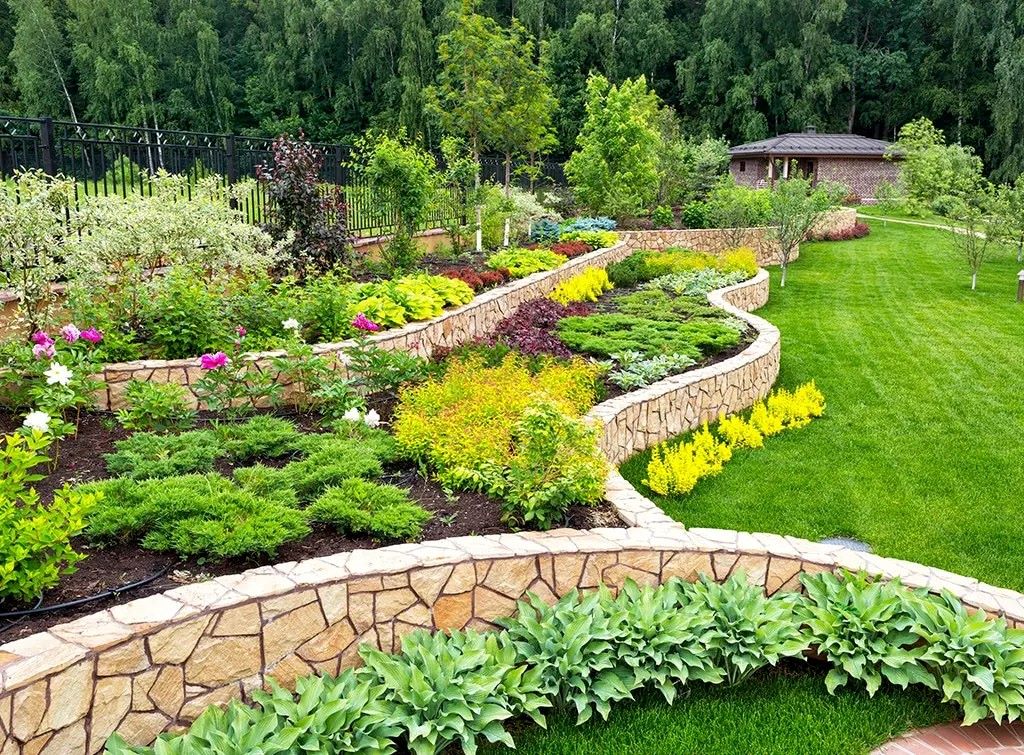
Paths, patios, and retaining walls add structure and reduce plant-dependent areas. Materials like gravel, pavers, or mulch suppress weeds and require almost no upkeep. A well-placed stone path or wooden deck can become a focal point while minimizing planting space.
Budget Idea: Use recycled bricks or gravel for pathways. Both are affordable and long-lasting.
Step 2: Choose Plants That Thrive on Neglect
Prioritize Perennials Over Annuals
Perennials return year after year, eliminating the need for seasonal replanting. Look for varieties like coneflowers, black-eyed Susans, and lavender, which are hardy and drought-resistant. Once established, these plants need little more than occasional pruning.
User Review: “I planted a perennial border five years ago. It blooms every summer with zero effort from me!” —Gardeners’ World Forum
Embrace Native Plants
Native plants are adapted to your local climate and soil, so they require less water and care. They also support local wildlife, like pollinators and birds. Check with your local cooperative extension for a list of native species that thrive in your area.
Example: In the Pacific Northwest, sword ferns and Oregon grape are low-maintenance natives that add texture and color.
Opt for Drought-Tolerant Varieties
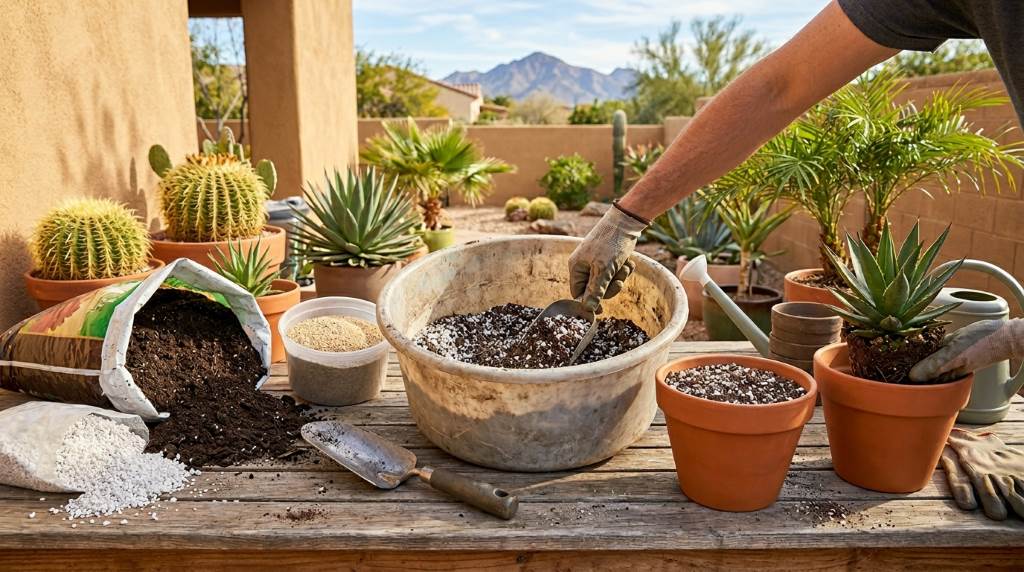
Plants like succulents, yucca, and Russian sage survive on minimal water. These are ideal for dry climates or for gardeners who want to conserve water. Many drought-tolerant plants also have striking foliage or flowers, adding visual interest without the fuss.
Pro Tip: Group drought-tolerant plants together to create a “water-wise” zone that needs infrequent irrigation.
Use Ground Covers to Suppress Weeds
Ground covers like creeping juniper, ajuga, or vinca spread quickly and choke out weeds. They also prevent soil erosion and add lush greenery. Once established, ground covers require almost no maintenance beyond occasional trimming.
Budget Pick: Sweet woodruff thrives in shade and smells amazing when crushed.
Step 3: Mulch Like a Pro to Save Time and Water
Mulch is a low-maintenance garden’s best friend. It retains moisture, suppresses weeds, and improves soil health. Organic mulches, like wood chips or shredded bark, break down over time and enrich the soil. Inorganic mulches, such as gravel or landscape fabric, last longer and require no replenishing.
How to Mulch Effectively:
- Apply a 2-3 inch layer around plants.
- Keep mulch a few inches away from stems to prevent rot.
- Refresh organic mulch once a year to maintain its benefits.
Real Example: A gardener in Arizona cut their watering time in half by mulching with desert gravel.
Step 4: Automate Watering for Effortless Care
Even low-maintenance gardens need water, but you don’t have to stand there with a hose. Drip irrigation systems deliver water directly to plant roots, reducing waste and cutting your watering time to zero. Many systems, like the Rain Bird Drip Kit, cost under $50 and are easy to install.
Smart Watering Tips:
- Set timers for early morning to reduce evaporation.
- Use soaker hoses for vegetable gardens or flower beds.
- Collect rainwater in barrels to irrigate for free.
User Review: “I installed a drip system last summer. My plants are healthier, and I haven’t dragged a hose in months!” —Amazon Customer
Step 5: Smart Strategies to Keep Weeds at Bay
Weeding is the chore gardeners love to hate. Fortunately, a few simple strategies can drastically reduce the time you spend pulling unwanted plants.
Lay Down Landscape Fabric
Landscape fabric blocks weeds while allowing water and air to reach plant roots. Cover it with mulch for a neat, weed-free look. This is especially useful in vegetable gardens or under shrubs.
Use Corn Gluten Meal
This natural pre-emergent herbicide prevents weed seeds from germinating. Apply it in early spring before weeds appear. It’s safe for pets and breaks down into nitrogen, which fertilizes your soil.
Plant Densely
Weeds need sunlight to grow. By planting your garden densely, you shade the soil and leave no room for weeds to take hold. This works especially well with ground covers and perennials.
Common Mistakes to Avoid in a Low-Maintenance Garden
Overplanting
It’s tempting to fill every inch of space, but crowded plants compete for water and nutrients. This leads to poor growth and more maintenance. Give plants room to breathe and thrive.
Ignoring Soil Health
Healthy soil grows healthy plants. Test your soil and amend it with compost or organic matter before planting. This reduces the need for fertilizers and helps plants resist pests and diseases.
Skipping the Planning Phase
A haphazard garden leads to extra work. Sketch a simple design, considering sunlight, water access, and plant mature sizes. This prevents overcrowding and ensures every plant has the right conditions.
Choosing High-Maintenance Features
Avoid plants or elements that require frequent pruning, staking, or special care. For example, roses and topiary are beautiful but demand regular attention.
Related Topics:
Real-Life Low-Maintenance Gardens: Before and After
Case Study 1: The Busy Professional’s Oasis
Mark, a corporate lawyer, wanted a garden that didn’t demand weekend chores. He replaced his lawn with drought-tolerant sedum and ornamental grasses, added a gravel path, and installed a drip irrigation system. His garden now thrives with just 30 minutes of work per month.
Case Study 2: The Retiree’s Wildlife Haven
Linda transformed her backyard into a pollinator paradise using native wildflowers and shrubs. She mulched with wood chips and added a small pond for birds. Her garden attracts butterflies and hummingbirds with almost no upkeep.
Case Study 3: The Renter’s Portable Garden
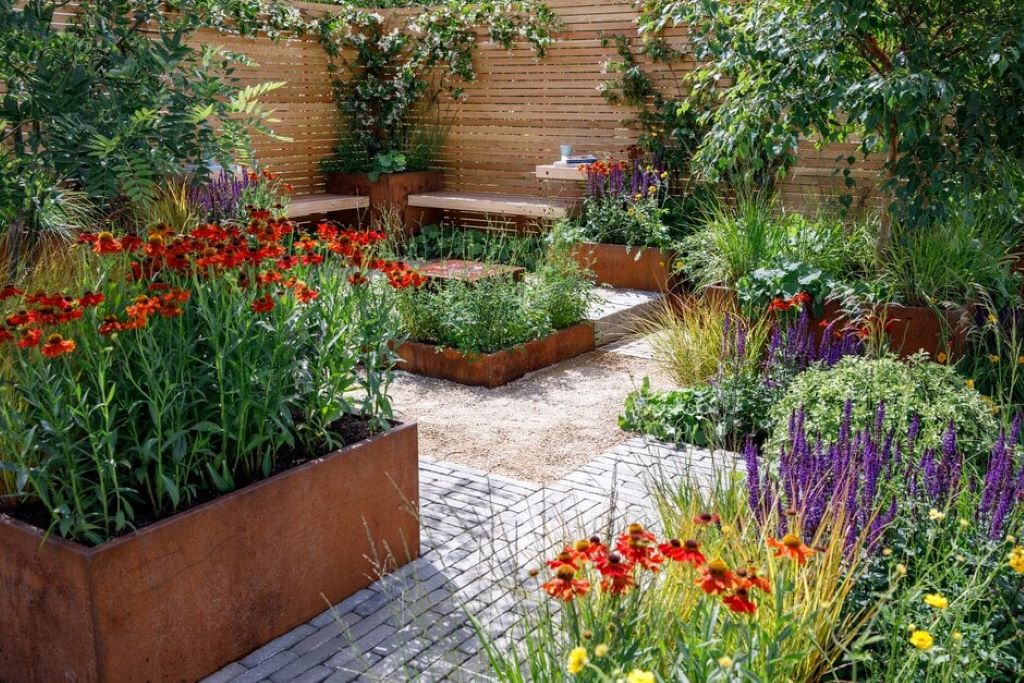
Jake, who rents his home, used container plants and raised beds to create a flexible, low-maintenance garden. He chose perennials in pots and a self-watering system for his vegetables. When he moves, his garden moves with him.
FAQs About Creating a Low-Maintenance Garden
1. What are the easiest plants for a low-maintenance garden?
Perennials like lavender, coneflowers, and hostas are nearly foolproof. Shrubs like boxwood and dwarf lilac also require minimal care.
2. How can I reduce watering in my garden?
Use drought-tolerant plants, mulch heavily, and install drip irrigation. Collecting rainwater in barrels is another great way to conserve water.
3. What’s the best mulch for weed suppression?
Wood chips or shredded bark are excellent organic options. For a longer-lasting solution, try landscape fabric covered with gravel.
4. Can I have a low-maintenance vegetable garden?
Yes! Focus on easy crops like tomatoes, peppers, and herbs. Use raised beds with drip irrigation and mulch to minimize weeding and watering.
5. How do I keep my garden looking neat with minimal effort?
Stick to a simple design with clean lines. Use evergreen shrubs and ground covers for year-round greenery. Add hardscaping elements like paths or patios to reduce planting areas.
6. Are there low-maintenance options for shady areas?
Absolutely! Hostas, ferns, and ajuga thrive in shade and require little care. Hellebores also do well in low-light conditions.
7. How can I make my garden more wildlife-friendly without extra work?
Plant native species that attract pollinators. Add a small water feature like a birdbath. Avoid pesticides to create a safe haven for birds and beneficial insects.
Conclusion: Your Dream Garden Is Closer Than You Think
Creating a low-maintenance garden isn’t about settling for less—it’s about designing a space that flourishes with minimal effort. By choosing the right plants, simplifying your layout, and using smart techniques like mulching and drip irrigation, you can enjoy a stunning garden without the constant upkeep.
Ready to get started? Pick one idea from this guide and implement it this weekend. Whether it’s planting a drought-tolerant shrub or laying down mulch, every small step brings you closer to a garden that works for you, not the other way around.
What’s the first change you’ll make in your garden? Share your plans in the comments—let’s inspire each other to create beautiful, effortless outdoor spaces!