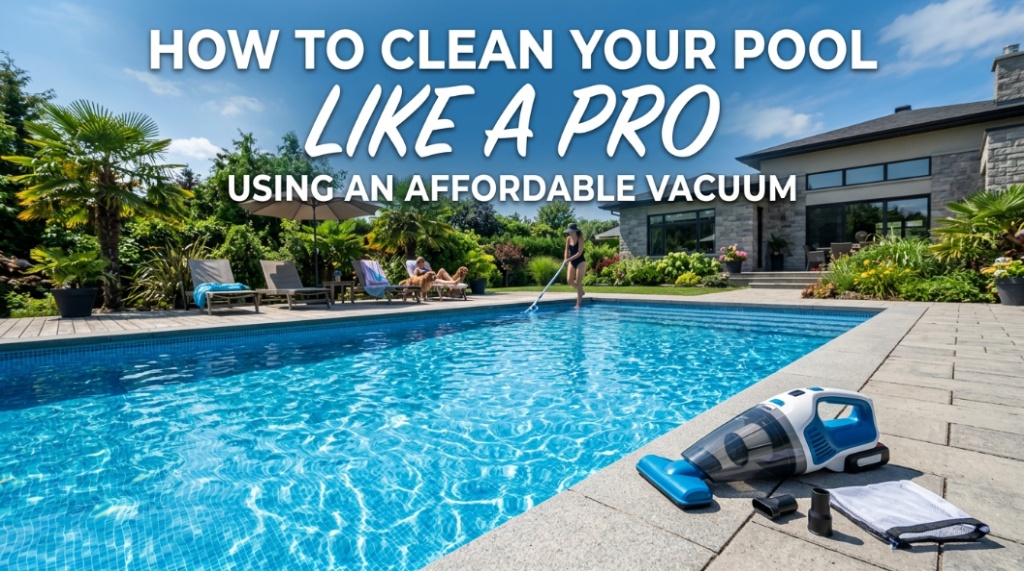
The best pool cleaning tips include using an affordable vacuum regularly, brushing walls, maintaining chemical balance, and skimming debris daily.
Most pool owners struggle with cloudy water, debris buildup, and algae—even after spending money on expensive equipment. The truth is, you don’t need a high-end robotic system to keep your pool crystal clear. With the right techniques and a budget-friendly vacuum, you can achieve professional-level results.
Here’s the problem: neglected pools quickly turn into maintenance nightmares. Dirt settles, algae spreads, and filters clog—leading to higher costs and wasted time. But with a simple, consistent cleaning routine and smart use of an affordable pool vacuum, you can prevent these issues entirely.
Definition: Pool cleaning involves removing debris, brushing surfaces, vacuuming dirt, and maintaining water chemistry to ensure safe and clear swimming conditions.
This guide breaks down practical, proven methods to clean your pool like a pro—without overspending.
Why is vacuuming your pool essential for proper maintenance?
Vacuuming removes fine debris and dirt that filters alone cannot capture, preventing buildup and algae growth.
Even the best filtration systems miss microscopic particles. These settle at the bottom, creating a breeding ground for bacteria and algae. Regular vacuuming eliminates this hidden layer of contaminants.
- Prevents algae formation
- Improves water clarity
- Reduces strain on filters
- Extends pool equipment lifespan
According to industry estimates, consistent vacuuming can reduce chemical usage by up to 30% because cleaner water requires less correction.
How do you use an affordable pool vacuum like a professional?
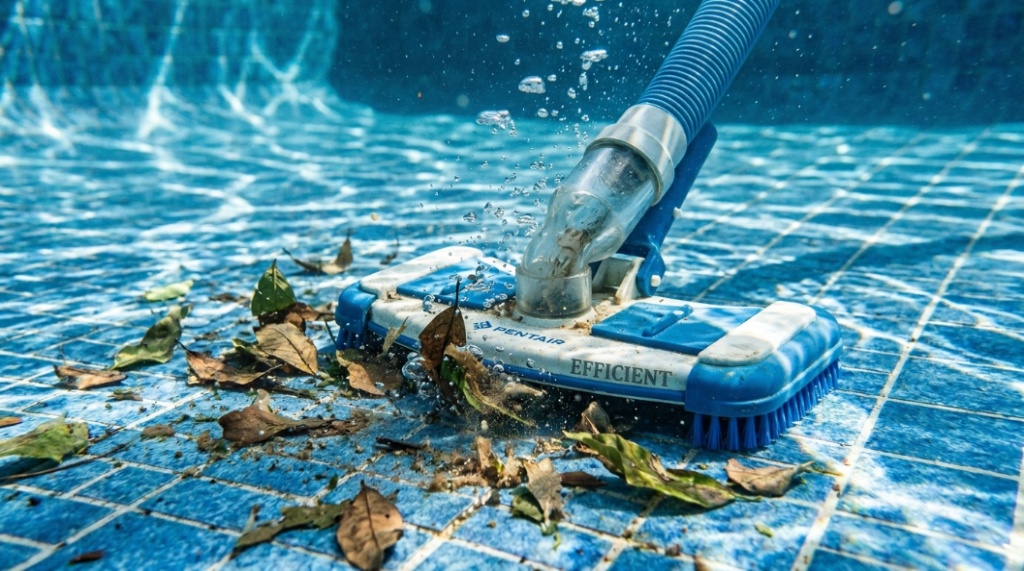
Use slow, overlapping strokes, vacuum in a grid pattern, and ensure proper suction for maximum efficiency.
Professional cleaners focus on technique—not just tools. Here’s how to replicate their approach:
Step-by-step method
- Attach the vacuum head to a telescopic pole
- Connect the hose to the skimmer or suction port
- Prime the hose to remove air
- Move slowly across the pool floor in straight lines
- Overlap each pass slightly
Moving too fast stirs debris instead of removing it. Slow, steady movements ensure effective suction.
What type of affordable pool vacuum should you choose?
Manual suction vacuums are the most affordable and effective option for most residential pools.
| Type | Cost | Best For | Pros | Cons |
|---|---|---|---|---|
| Manual Vacuum | Low | Small to medium pools | Affordable, precise cleaning | Requires effort |
| Automatic Suction | Medium | Regular maintenance | Less manual work | Limited control |
| Robotic | High | Large pools | Fully automated | Expensive |
If you’re on a budget, manual vacuums deliver the best value with professional-level results when used correctly.
How often should you vacuum your pool?
You should vacuum your pool at least once a week, or more frequently during heavy use or debris exposure.
Frequency depends on several factors:
- Nearby trees or debris sources
- Pool usage levels
- Weather conditions
- Water chemistry stability
For example, pools near trees may require vacuuming 2–3 times per week during shedding seasons.
What are common mistakes to avoid when vacuuming a pool?
The most common mistakes include moving too quickly, skipping brushing, and not cleaning the filter afterward.
- Vacuuming too fast (reduces efficiency)
- Ignoring pool walls and corners
- Not checking suction levels
- Failing to clean or backwash filters
Each of these mistakes reduces cleaning effectiveness and can lead to long-term maintenance issues.
Do you need to brush your pool before vacuuming?
Yes, brushing loosens debris and algae, making vacuuming far more effective.
Brushing breaks up dirt stuck to surfaces, allowing the vacuum to remove it easily. Focus on:
- Pool walls
- Steps and ladders
- Corners and tight areas
This step is often skipped—but it’s one of the biggest differences between average and professional cleaning results.
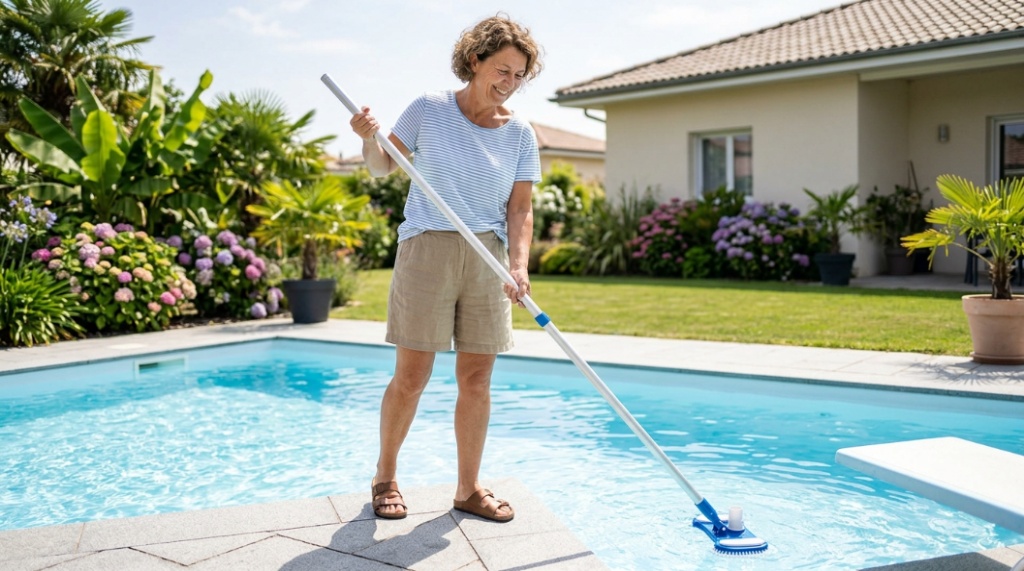
How does water chemistry affect pool cleanliness?
Balanced water chemistry prevents algae growth and keeps your pool clear and safe.
Key parameters to monitor:
- pH: 7.2–7.6
- Chlorine: 1–3 ppm
- Alkalinity: 80–120 ppm
Unbalanced water reduces the effectiveness of cleaning efforts. Even a perfectly vacuumed pool can turn cloudy if chemistry is off.
Can an affordable vacuum handle algae and heavy debris?
Yes, but only when combined with proper brushing, chemical treatment, and filtration.
For algae:
- Brush affected areas thoroughly
- Shock the pool with chlorine
- Vacuum dead algae slowly
Affordable vacuums work well, but they rely on proper technique and supporting maintenance steps.
What is the best weekly pool cleaning routine?
A professional-level routine includes skimming, brushing, vacuuming, and chemical testing.
- Daily: Skim debris
- Weekly: Vacuum and brush
- Weekly: Test and balance water
- Monthly: Deep clean filters
This routine keeps your pool consistently clean without requiring expensive equipment.
How can you improve suction for better vacuum performance?
Improve suction by cleaning filters, removing air from hoses, and ensuring proper pump settings.
Weak suction is a common issue with budget setups. Fix it by:
- Backwashing or cleaning filters
- Checking for hose leaks
- Ensuring pump runs at optimal speed
Strong suction dramatically improves cleaning efficiency.
Conclusion: How do you maintain a clean pool without overspending?
You can maintain a professional-level clean pool by combining consistent routines, proper technique, and an affordable vacuum.
The key insight is simple: results come from consistency, not expensive tools. A manual vacuum, when used correctly, can outperform costly systems in many cases. Pair it with regular brushing, balanced water chemistry, and a structured cleaning schedule—and your pool will stay clear, safe, and inviting.
Start implementing these pool cleaning tips today. You’ll save money, reduce maintenance headaches, and enjoy a cleaner swimming experience.
Action step: Set a weekly cleaning schedule and stick to it. Consistency is what separates average pool owners from professionals.
FAQ: Pool Cleaning Tips Using Affordable Vacuums
What is the cheapest way to clean a pool effectively?
The cheapest method is using a manual vacuum combined with regular brushing and proper chemical maintenance.
How long does it take to vacuum a pool manually?
It typically takes 30–60 minutes depending on pool size and debris level.
Can I vacuum my pool without a pump?
No, most affordable vacuums rely on the pool’s pump system for suction.
Why does my pool get dirty quickly after cleaning?
This usually happens due to poor filtration, unbalanced chemicals, or environmental debris.
Is it better to vacuum to waste or filter?
Vacuum to waste is better for heavy debris or algae, while filtering works for regular maintenance.
Do I need a robotic cleaner if I already vacuum manually?
No, manual vacuuming is sufficient if done consistently and correctly.
How do I know if my pool is properly cleaned?
Clear water, no visible debris, and balanced chemical levels indicate a clean pool.
📌 Related Reads
👉 Explore deep clean upholstery at home like a professional
👉 Learn how to deep clean a fabric sofa with the right vacuum cleaner