Main sewer line damage creates expensive plumbing problems that many homeowners never expect. Industry reports estimate that underground pipe repairs can cost thousands of dollars, while the Environmental Protection Agency highlights that aging infrastructure remains a growing concern across many communities. Understanding cast iron vs pvc drainage also helps homeowners make smarter replacement decisions. Learning why main sewer lines break in Phoenix, AZ allows you to reduce risks before serious failures develop.
Why Phoenix Creates Unique Sewer Line Challenges
Phoenix presents conditions that place constant pressure on underground plumbing systems. Dry soil, intense temperatures, and shifting ground gradually weaken sewer pipes over many years.
Regular inspections become even more valuable because early warning signs often appear before major failures. You can also learn more about ignoring your drains to prevent avoidable plumbing damage.
Soil Movement Causes Underground Pipe Stress
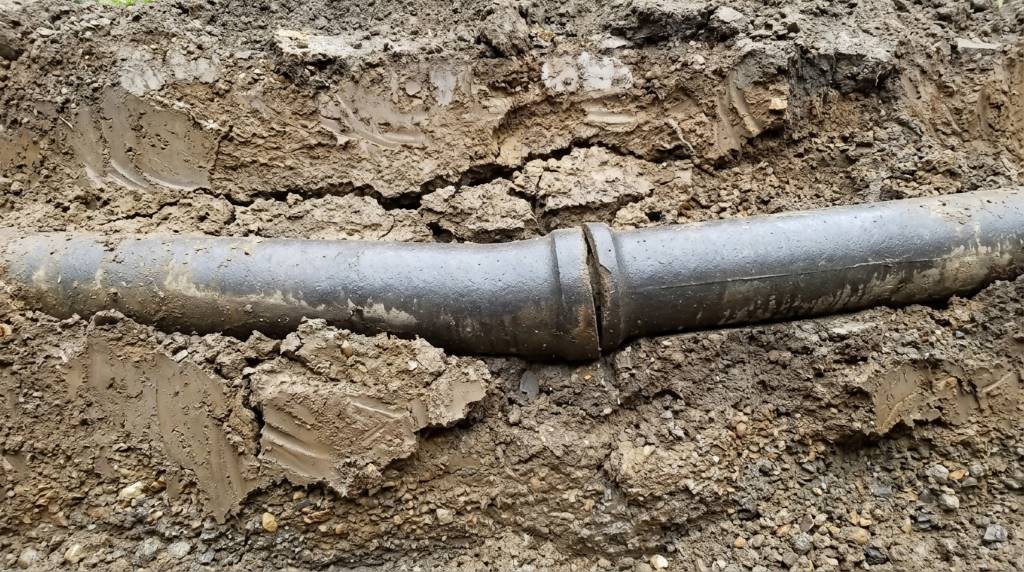
Although Phoenix receives limited rainfall, sudden storms quickly change soil moisture levels. Expanding and shrinking soil places repeated stress on buried sewer lines.
Small pipe movements may seem harmless at first. However, repeated shifting eventually creates cracks, joint separation, and complete pipe failure.
How Soil Expansion Affects Pipes
- Creates uneven pressure around sewer lines.
- Weakens pipe joints over time.
- Allows groundwater to enter damaged sections.
- Increases the chance of pipe collapse.
Extreme Heat Accelerates Material Wear
Phoenix experiences some of the highest summer temperatures in the country. Constant heating and cooling cycles slowly affect certain piping materials.
Plastic components may expand slightly during extreme heat, while older materials become increasingly brittle. You should also understand how to unclog a drain because recurring blockages sometimes signal larger sewer problems.
Older Pipes Naturally Reach the End of Their Life
Many neighborhoods still contain aging sewer systems installed decades ago. Every plumbing material eventually wears out under daily use.
Cast iron pipes often corrode from the inside, while clay pipes may crack from ground movement. Modern replacement materials generally provide longer service with reduced maintenance.
Common Aging Pipe Materials
- Cast iron
- Clay
- Orangeburg fiber pipe
- Older PVC installations
Tree Roots Continue Searching for Water
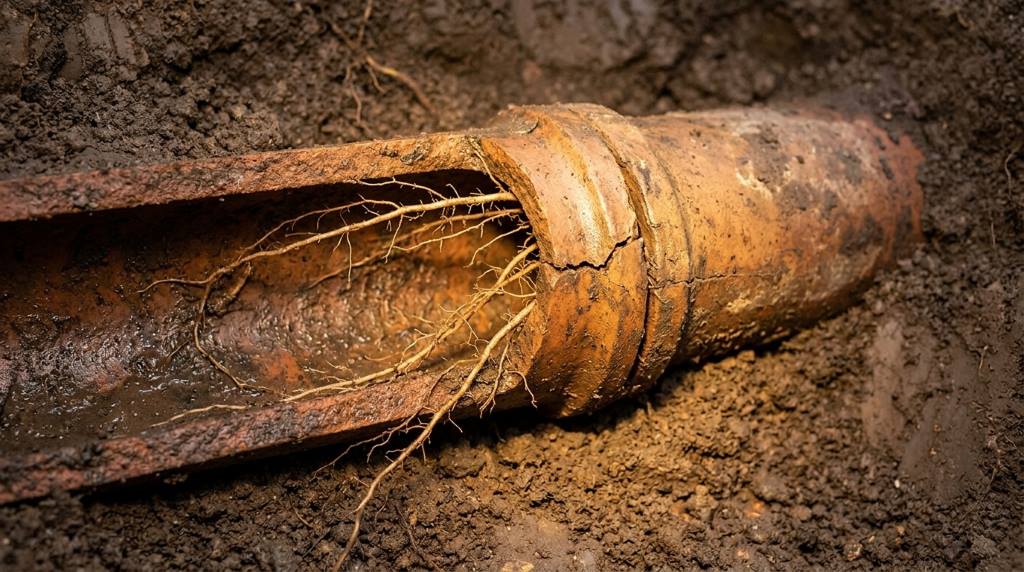
Desert landscaping still includes many trees with aggressive root systems. Roots naturally seek moisture whenever small pipe leaks develop.
Tiny cracks quickly become larger openings after roots enter the sewer line. Property owners should review how to clean a drain because proper maintenance reduces buildup that can worsen root intrusion.
Grease and Debris Increase Internal Pressure
Many sewer failures begin with everyday household habits. Cooking grease, wipes, and food scraps slowly reduce pipe capacity.
Blockages force wastewater to build pressure behind stubborn clogs. Increased pressure eventually exposes weak sections inside aging sewer lines.
Items That Should Never Enter Drains
- Cooking grease
- Paper towels
- Disposable wipes
- Coffee grounds
- Feminine hygiene products
Poor Installation Leads to Early Failure
Improper installation creates problems that may remain hidden for years. Incorrect pipe slope prevents wastewater from flowing efficiently.
Loose joints, weak connections, and inadequate bedding also reduce pipe lifespan. Professional installation greatly improves long term system performance.
Heavy Vehicles Can Damage Underground Pipes
Driveways often hide sewer lines beneath concrete or asphalt surfaces. Heavy trucks repeatedly compress the surrounding soil.
Additional weight gradually transfers pressure onto underground piping. Eventually, weakened sections may crack or collapse completely.
Hard Water Leaves Mineral Deposits
Phoenix water contains minerals that gradually accumulate inside plumbing systems. Mineral buildup narrows pipe openings over time.
Restricted flow increases pressure throughout the sewer system. Consequently, older pipes become more vulnerable to structural damage.
Warning Signs of a Failing Main Sewer Line
Recognizing early symptoms helps homeowners avoid emergency plumbing repairs. Quick action often limits repair costs and property damage.
- Multiple drains backing up together.
- Strong sewer odors indoors.
- Slow drainage throughout the home.
- Wet patches in the yard.
- Unexpected pest activity near drains.
How Professional Inspections Prevent Bigger Problems
Modern sewer camera inspections locate hidden damage without unnecessary digging. Accurate diagnosis allows plumbers to recommend the most effective repair solution.
Routine inspections also identify small defects before expensive failures occur. Preventive maintenance remains one of the smartest investments for homeowners.
Simple Ways to Protect Your Main Sewer Line
Consistent maintenance reduces stress on underground plumbing systems throughout the year. Small preventive actions often prevent costly emergency repairs.
- Avoid flushing non flushable products.
- Dispose of grease properly.
- Schedule regular sewer inspections.
- Address slow drains immediately.
- Plant trees away from sewer lines.
- Repair leaks before they expand.
Final Thoughts
Main sewer lines break in Phoenix, AZ because environmental conditions and everyday usage gradually weaken underground plumbing systems. Understanding these risks helps homeowners prevent expensive repairs through timely inspections and proper maintenance.
If you notice repeated drain issues or sewer odors, contact a qualified plumbing professional immediately. Early action protects your home, reduces repair costs, and extends the life of your sewer system.
Frequently Asked Questions
How long do main sewer lines usually last?
Most sewer lines last between 50 and 100 years depending on the material and maintenance.
Can tree roots completely block a sewer line?
Yes, aggressive roots can fully block or break sewer pipes over time.
Is sewer camera inspection worth the cost?
Yes, camera inspections identify hidden problems before major repairs become necessary.
Does hard water damage sewer pipes?
Hard water creates mineral buildup that restricts flow and increases pipe stress.
When should I call a plumber for sewer problems?
You should call a plumber immediately after repeated backups, sewer odors, or multiple slow drains appear.