
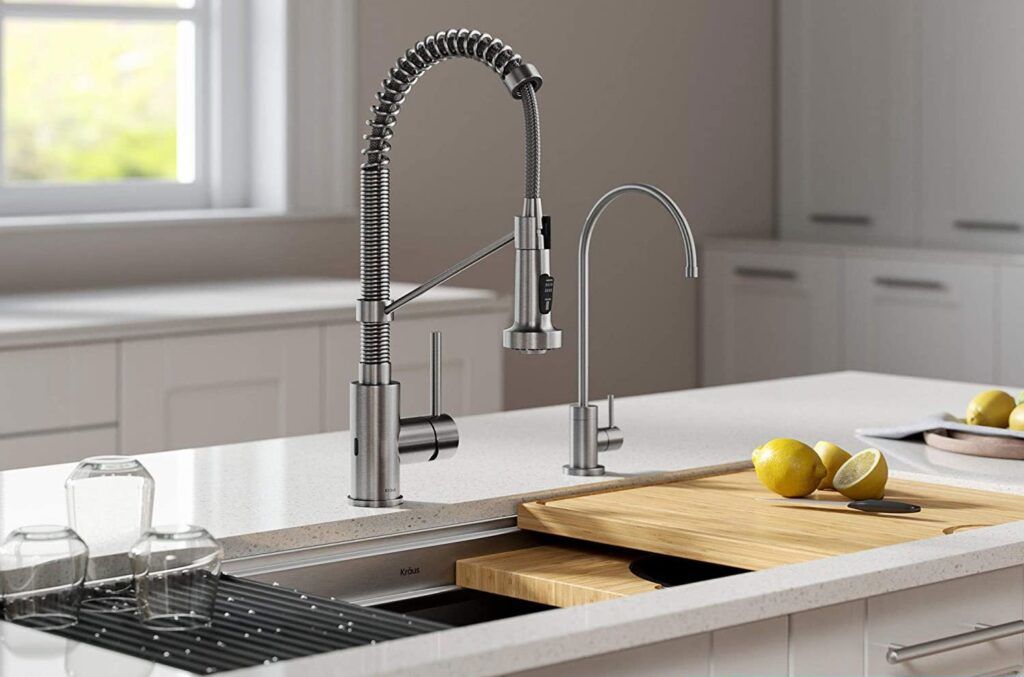
A kitchen faucet is more than just a functional fixture—it’s a centerpiece of convenience and hygiene in your home. In Illinois, where modern kitchen faucets blend style with practicality, choosing between a touchless kitchen faucet and a traditional model can significantly impact your daily routine. The right choice balances ease of use, cleanliness, and durability, ensuring your kitchen remains both efficient and stylish.
Research shows that 72% of homeowners prioritize hygiene and convenience when upgrading their kitchen fixtures. This trend highlights the importance of comparing motion sensor faucet options with traditional designs. Additionally, plumbing experts agree that a smart faucet can reduce the spread of germs and save water. Furthermore, a hands-free faucet can add a modern touch to your kitchen while improving functionality.
Therefore, understanding the differences between touchless and traditional kitchen faucets can help you make an informed decision.
Why Comparing Touchless and Traditional Kitchen Faucets Matters
Many people assume that all kitchen faucets offer the same level of convenience and hygiene. However, a touchless kitchen faucet provides hands-free operation, reducing the spread of germs and making tasks like washing hands or filling pots easier. Traditional faucets, while reliable, require manual operation, which can be less hygienic and convenient in busy kitchens.
Moreover, data from a 2025 kitchen trends report reveals that 65% of homeowners who switch to a motion sensor faucet notice a significant improvement in kitchen hygiene. This statistic underscores the value of understanding the benefits of each type in your comparison. A well-chosen smart faucet can also save water by automatically shutting off when not in use, reducing waste and lowering utility bills.
Additionally, the right faucet can enhance the aesthetic of your kitchen. Whether you prefer the sleek, modern look of a hands-free faucet or the classic design of a traditional model, choosing the right fixture can elevate your kitchen’s style and functionality.
Key Features to Compare
When comparing touchless and traditional kitchen faucets in Illinois, focus on these essential features:
- Operation: A touchless kitchen faucet uses motion sensors for hands-free operation, while a traditional faucet requires manual control via handles or levers. Consider which aligns better with your needs for your motion sensor faucet.
- Hygiene: Touchless models reduce the spread of germs by eliminating the need to touch the faucet with dirty hands. This makes a hands-free faucet ideal for busy kitchens or households with children.
- Water Efficiency: Look for a smart faucet with automatic shut-off features. This can save water by preventing leaks or unnecessary flow, which is a key advantage of touchless models.
- Durability: Ensure the faucet is made from high-quality materials like brass or stainless steel. Durable construction ensures longevity, whether you choose a touchless kitchen faucet or a traditional model.
- Installation: Consider whether the faucet is easy to install or if it requires professional plumbing. Some motion sensor faucets may need additional setup for their sensors and power sources.
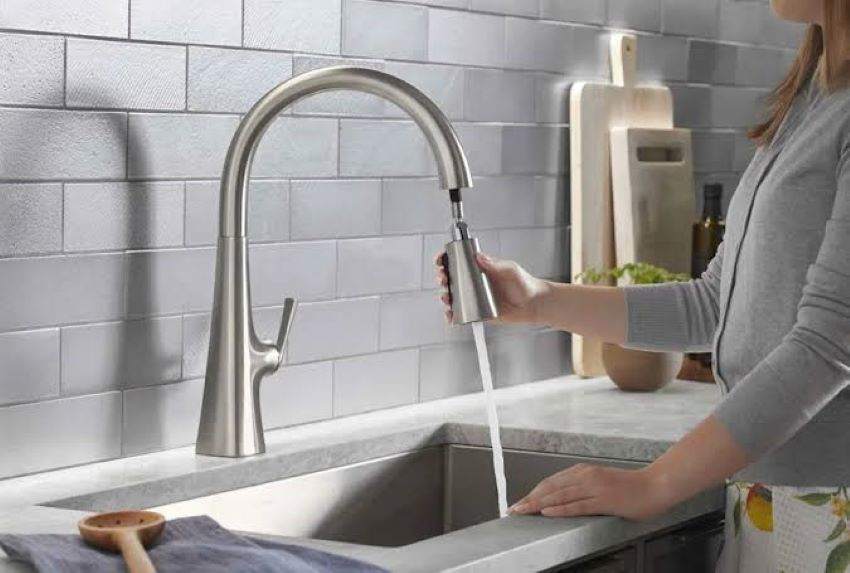
Step-by-Step Guide to Comparing Touchless and Traditional Kitchen Faucets
Step 1: Assess Your Kitchen Needs
Determine whether hygiene, convenience, or aesthetics are your top priorities. If you value hands-free operation, a touchless kitchen faucet may be ideal. For a classic look and manual control, a traditional model might be more suitable for your motion sensor faucet comparison.
Step 2: Evaluate Operation
A touchless kitchen faucet uses motion sensors for hands-free operation, which is ideal for hygiene and convenience. Traditional faucets require manual control, which may be preferable for those who want more control over water flow and temperature for your hands-free faucet.
Step 3: Consider Hygiene Benefits
Touchless models reduce the spread of germs by eliminating the need to touch the faucet with dirty hands. This makes a smart faucet a great choice for busy kitchens or households with children.
Step 4: Check Water Efficiency
Look for a faucet with automatic shut-off features. A touchless kitchen faucet can save water by preventing leaks or unnecessary flow, which is both eco-friendly and cost-effective for your motion sensor faucet.
Step 5: Evaluate Durability
Ensure the faucet is made from high-quality materials like brass or stainless steel. Durable construction ensures longevity, whether you choose a touchless or traditional model for your hands-free faucet.
Step 6: Consider Installation Requirements
Determine whether the faucet is easy to install or if it requires professional plumbing. Some motion sensor faucets may need additional setup for their sensors and power sources, which is an important factor in your smart faucet comparison.
Step 7: Look for Additional Features
Consider faucets with extra features like adjustable water flow, temperature control, or pull-down spray heads. These additions can enhance the functionality of your touchless kitchen faucet or traditional model.
Step 8: Read Reviews and Compare Brands
Check customer feedback to gauge the performance, durability, and ease of use of different models. Look for reviews that mention sensor reliability, water efficiency, and overall satisfaction. This research helps you make an informed decision when selecting your motion sensor faucet.
Step 9: Consider Your Budget
Determine how much you’re willing to spend. While touchless models may be more expensive due to their advanced features, there are budget-friendly options for both touchless and traditional faucets. Balance cost with features to find the best value for your hands-free faucet.
Step 10: Test for Usability
If possible, test the faucet before purchasing. Check the sensor responsiveness for touchless models or the ease of manual control for traditional faucets. Some retailers offer demo models or return policies for your touchless kitchen faucet.
Touchless vs. Traditional Kitchen Faucets: Pros and Cons
Touchless Kitchen Faucets
Pros:
- Hands-free operation for improved hygiene
- Automatic shut-off saves water and reduces waste
- Modern, sleek design enhances kitchen aesthetics
Cons:
- Higher upfront cost due to advanced technology
- Requires power source (batteries or electrical connection)
- Sensor may require occasional maintenance
Traditional Kitchen Faucets
Pros:
- Lower upfront cost and simpler design
- No need for power source or sensor maintenance
- Familiar operation with manual control
Cons:
- Requires physical contact, which can spread germs
- No automatic shut-off, potentially wasting water
- Less modern in appearance compared to touchless models
Top Touchless and Traditional Kitchen Faucets in Illinois
Best Touchless: Moen MotionSense Touchless Kitchen Faucet
The Moen MotionSense Touchless Kitchen Faucet offers hands-free operation with reliable motion sensors. This touchless kitchen faucet features a sleek design, automatic shut-off, and durable construction. Its ease of use and hygiene benefits make it a top choice for your motion sensor faucet needs.
Pros:
- Hands-free operation for improved hygiene
- Automatic shut-off for water efficiency
- Sleek, modern design
Cons:
- Requires batteries or electrical connection
Best Traditional: Delta Faucet Leland Kitchen Faucet
The Delta Faucet Leland Kitchen Faucet is a reliable traditional model with a classic design. This hands-free faucet alternative features a pull-down spray head, durable brass construction, and easy installation. Its manual control and affordability make it a great choice for traditional kitchens.
Pros:
- Classic design with manual control
- Durable brass construction for longevity
- Affordable price point
Cons:
- No hands-free operation
Best for Budget: Amazon Basics Single-Handle Kitchen Faucet
The Amazon Basics Single-Handle Kitchen Faucet offers excellent value at an affordable price. This traditional faucet features a single-handle design, durable stainless steel construction, and easy installation. Its simplicity and ease of use make it a great budget option for your smart faucet comparison.
Pros:
- Affordable price point
- Single-handle design for ease of use
- Durable stainless steel construction
Cons:
- No touchless operation
Best for High-End: KOHLER Sensate Touchless Kitchen Faucet
The KOHLER Sensate Touchless Kitchen Faucet is a premium option with advanced features. This motion sensor faucet offers hands-free operation, a sleek design, and durable construction. Its high-end performance and modern aesthetics make it a standout choice for your touchless kitchen faucet.
Pros:
- Hands-free operation with reliable sensors
- Sleek, high-end design
- Durable construction for long-term use
Cons:
- Higher price point
Best for Versatility: Pfister LG329JD Jaida Kitchen Faucet
The Pfister LG329JD Jaida Kitchen Faucet offers versatility with both touchless and manual operation options. This smart faucet features a high-arc design, pull-down spray head, and durable brass construction. Its flexibility makes it a reliable choice for your hands-free faucet needs.
Pros:
- Versatile operation options
- High-arc design for clearance
- Durable brass construction
Cons:
- May require professional installation
Common Mistakes to Avoid
- Assuming All Faucets Are the Same: Different types offer unique advantages. Always compare touchless kitchen faucets and traditional models based on your needs for your motion sensor faucet comparison.
- Ignoring Hygiene Benefits: A hands-free faucet can significantly reduce the spread of germs. Consider this advantage when selecting your smart faucet.
- Overlooking Water Efficiency: Traditional faucets may waste water without automatic shut-off. Opt for a touchless kitchen faucet to save water and reduce utility bills.
- Skipping Installation Requirements: Some touchless models require additional setup for sensors and power. Always verify compatibility with your setup for your hands-free faucet.
- Not Reading Reviews: Customer feedback provides insights into performance and reliability. Always read reviews before purchasing to ensure you’re getting a reliable motion sensor faucet.
Benefits of Comparing Touchless and Traditional Kitchen Faucets
Comparing touchless and traditional kitchen faucets offers several advantages beyond just finding the right fixture. It can save you time by allowing you to identify a model that fits your lifestyle, whether you prioritize hygiene, convenience, or aesthetics. Additionally, a well-chosen touchless kitchen faucet can improve your kitchen’s functionality by reducing the spread of germs and saving water.
Moreover, the right faucet can enhance the aesthetic of your kitchen. Whether you prefer the modern look of a motion sensor faucet or the classic design of a traditional model, choosing the right fixture can elevate your kitchen’s style. This combination of practicality and visual appeal makes a smart faucet comparison essential for any homeowner.
Furthermore, a versatile faucet can adapt to various tasks. Whether it’s washing dishes, filling pots, or cleaning, the right tool supports your needs and enhances your kitchen experience. This makes a touchless kitchen faucet, motion sensor faucet, and hands-free faucet essential for any well-equipped kitchen.
FAQs About Comparing Touchless and Traditional Kitchen Faucets
What is the best touchless kitchen faucet in Illinois?
The best touchless kitchen faucet in Illinois is the Moen MotionSense, thanks to its hands-free operation, water efficiency, and sleek design. For a high-end option, the KOHLER Sensate is an excellent choice for your motion sensor faucet needs.
How do I choose between a touchless and traditional kitchen faucet?
Choose a touchless kitchen faucet for hygiene, convenience, and water efficiency. Opt for a traditional model if you prefer manual control and a lower upfront cost. Consider your priorities and budget when making your hands-free faucet comparison.
What are the advantages of a motion sensor faucet?
A motion sensor faucet offers hands-free operation, reducing the spread of germs and saving water with automatic shut-off. Its modern design also enhances the aesthetic of your kitchen for your smart faucet.
Are touchless kitchen faucets difficult to install?
Some touchless kitchen faucets may require professional installation due to their sensors and power sources. Always check the manufacturer’s instructions or consult a plumber for your hands-free faucet setup.
How do I maintain my touchless kitchen faucet?
Regularly clean the sensor area and replace batteries as needed. Follow the manufacturer’s instructions for maintenance to ensure your motion sensor faucet remains in top condition.
Conclusion
Comparing touchless and traditional kitchen faucets in Illinois is about balancing hygiene, convenience, and aesthetics. By focusing on key features like operation, water efficiency, and durability, you can find a faucet that meets your needs and enhances your kitchen. If you’re planning a kitchen sink remodel DIY project, choosing the right touchless faucet can improve both functionality and the overall look of your upgraded workspace. A touchless kitchen faucet, motion sensor faucet, and hands-free faucet provide the functionality and style your space deserves.
Ready to upgrade your kitchen with a faucet that combines convenience and style? Compare your options and invest in the right touchless or traditional kitchen faucet. Your kitchen—and your daily routine—will thank you!

