
Families across Denver continue looking for better ways to balance technology and daily life. Recent studies show children spend several hours daily on digital devices. At the same time, many parents worry about attention, sleep quality, and family connection. Therefore, creating healthy habits has become a priority for many households. Some families even explore solutions for reducing mobile phone use in bathroom spaces to encourage mindful routines. As a result, more Denver residents now focus on practical ways to reduce screen time without constant conflict.
Why Denver Families Are Rethinking Screen Time
Technology supports learning, communication, and entertainment in many homes. However, excessive device use can affect sleep and physical activity. Many parents also notice reduced face to face interaction during family time. Consequently, families seek better ways to create healthier daily habits. Denver households often prefer balanced solutions instead of strict technology bans.
The local lifestyle also influences family decisions about digital use. Denver offers many outdoor activities throughout the year. Therefore, parents often encourage children to enjoy parks, trails, and community events. When attractive alternatives exist, children naturally spend less time online. As a result, reducing screen dependence becomes more achievable.
Creating Technology Free Zones at Home
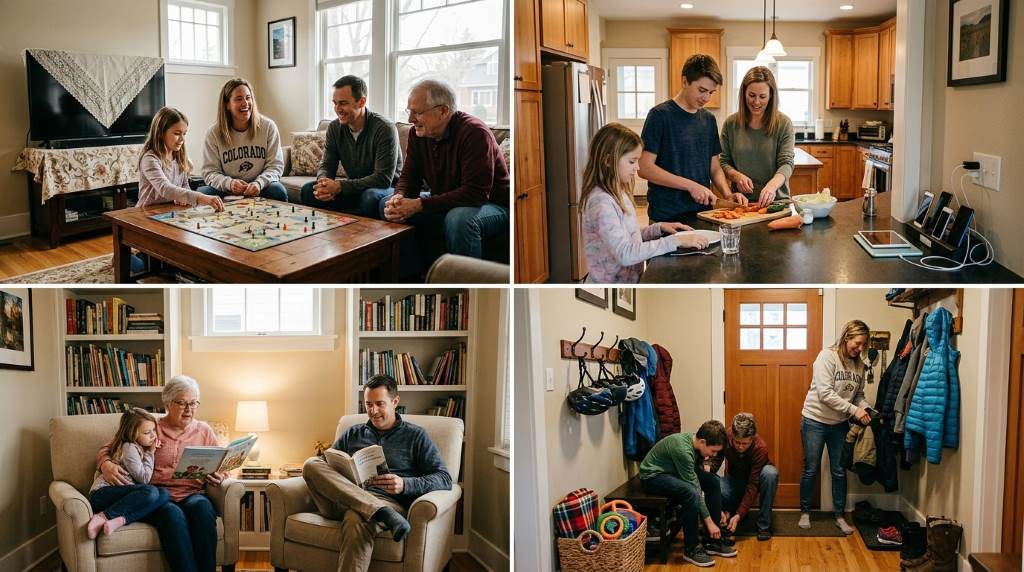
Many successful families begin by designating specific technology free spaces. These areas encourage conversation, relaxation, and shared activities. For example, dining rooms often become device free during meals. Consequently, family members interact more frequently and build stronger relationships.
Bathrooms are another common focus area for reducing digital distractions. Many parents encourage healthier routines by limiting device access during personal care activities. Some homeowners also improve relaxation spaces while learning about hot mopping a shower and other home improvement projects. As a result, bathrooms become spaces for wellness rather than entertainment. Small environmental changes often support long term behavior improvements.
Simple Rules That Work
- No phones during meals.
- No tablets in bedrooms overnight.
- Keep chargers in shared spaces.
- Limit entertainment screens before bedtime.
- Use technology only after responsibilities are complete.
These guidelines create consistency without making children feel punished. Moreover, simple expectations are easier for everyone to follow. Families often experience fewer arguments when rules remain clear and predictable. Therefore, consistency becomes more important than strict enforcement.
Using Denver’s Outdoor Lifestyle as an Advantage
Denver’s climate offers many opportunities for active family experiences. Sunny days encourage hiking, biking, and neighborhood walks. Even during cooler months, outdoor recreation remains popular throughout the city. Therefore, parents can use local attractions to replace screen centered activities.
Weekend adventures often provide effective alternatives to digital entertainment. Families may visit parks, nature areas, or community festivals. Meanwhile, children gain physical exercise and social interaction. As a result, screens become less central to daily enjoyment. Many parents notice improved moods after outdoor family activities.
Seasonal planning also helps reduce device dependence. During winter, indoor recreation becomes equally important. Board games, crafts, and family projects create engaging alternatives. Consequently, children remain occupied without relying heavily on phones or tablets. Preparation often prevents boredom driven screen use.
Building Strong Family Routines
Structured routines help children understand when technology use is appropriate. Predictable schedules reduce constant negotiations about devices. Therefore, families experience less stress throughout the day. Clear expectations also help children develop self regulation skills.
Morning routines often provide an excellent starting point. Many families avoid screens before school and work. Instead, they focus on breakfast, preparation, and conversation. As a result, mornings feel calmer and more productive. Small routine changes can produce meaningful improvements.
Evening routines offer another valuable opportunity. Parents often encourage reading, conversation, or hobbies before bedtime. Some families also create relaxing wellness spaces while exploring ideas like use bath salts without traditional setups. Consequently, evenings become more restful and less dependent on screens. Better sleep often follows healthier nighttime habits.
The Power of Shared Activities
Children often spend less time online when engaging alternatives exist. Therefore, families benefit from creating enjoyable shared experiences. These activities strengthen relationships while naturally reducing screen exposure. Meaningful engagement often works better than restrictions alone.
Family cooking sessions provide excellent opportunities for connection. Children learn practical skills while participating in household tasks. Meanwhile, conversations develop naturally during the process. As a result, families create positive memories away from screens. Simple activities often deliver lasting benefits.
Creative hobbies also help replace digital entertainment. Painting, gardening, photography, and woodworking remain popular choices. Furthermore, these activities encourage concentration and problem solving. Children often discover new interests through consistent exposure. Consequently, screens lose some of their appeal.
A Unique Strategy Many Families Overlook
Most articles focus on screen limits and parental controls. However, one overlooked factor involves household environment design. Families often underestimate how room layouts influence technology habits. Therefore, strategic furniture placement can support healthier behavior.
Many Denver families reposition televisions away from central gathering areas. Others create reading corners or hobby stations in common spaces. As a result, attention naturally shifts toward active engagement. Environmental design quietly influences daily decisions without constant reminders.
Some homeowners take this concept further during renovation projects. They intentionally create spaces that support conversation and relaxation. While researching home upgrades, families may learn about bathroom remodeling specialists benefits and other design improvements. Consequently, homes become better aligned with family wellness goals. This environmental approach remains surprisingly effective.
Leading by Example
Children closely observe adult behavior regarding technology use. Therefore, parents play a critical role in shaping digital habits. Family rules become more credible when adults follow them consistently. As a result, children show greater cooperation and trust.
Many parents now schedule intentional device free periods. During these times, everyone participates in shared activities. Furthermore, adults demonstrate healthy technology boundaries through their actions. Children often respond positively to visible examples. Consistent modeling strengthens long term behavior change.
Parents should also discuss technology openly with children. Honest conversations help children understand the reasons behind limits. Consequently, rules feel less restrictive and more meaningful. Education often creates stronger motivation than enforcement alone.
Managing Screens During Bad Weather
Denver weather can change quickly throughout the year. Snowstorms and cold temperatures sometimes limit outdoor recreation. Therefore, families need indoor alternatives ready in advance. Planning helps prevent excessive screen use during challenging weather conditions.
Indoor scavenger hunts provide excitement and movement. Families can also organize craft projects or reading challenges. Meanwhile, children remain mentally engaged without digital entertainment. As a result, bad weather does not automatically lead to increased screen time.
Exercise based activities also work well indoors. Simple fitness games encourage movement and healthy habits. Furthermore, physical activity supports better concentration and emotional well being. Families often find these activities surprisingly enjoyable. Active alternatives reduce dependence on devices.
Using Technology Intentionally Instead of Constantly
Reducing screen time does not require eliminating technology completely. Instead, families benefit from intentional and purposeful device use. Educational content, communication, and creative projects still provide value. Therefore, balance remains the primary objective.
Many Denver families establish clear categories for technology use. Educational activities often receive different treatment than entertainment. Consequently, children learn how to distinguish productive and recreational screen time. This approach encourages thoughtful decision making. Over time, children develop healthier digital habits independently.
Parents can also involve children in creating household guidelines. Collaborative discussions increase ownership and accountability. Furthermore, children often contribute practical ideas that improve family success. As a result, everyone feels invested in achieving shared goals.
Signs Your Family Is Making Progress
Positive changes often appear gradually rather than immediately. Families may notice better conversations during meals and activities. Children may also spend more time exploring hobbies and interests. Consequently, relationships often become stronger over time.
Improved sleep patterns provide another encouraging indicator. Reduced evening screen exposure supports healthier rest. Furthermore, children often demonstrate better focus during school activities. These improvements reinforce the value of ongoing efforts. Small victories deserve recognition and celebration.
Families should track progress without pursuing perfection. Occasional setbacks remain normal during behavior changes. Therefore, maintaining consistency matters more than achieving flawless results. Sustainable improvement usually develops through patience and persistence.
Conclusion
Families in Denver continue finding practical ways to reduce screen time while maintaining healthy relationships with technology. Successful households focus on routines, shared activities, outdoor experiences, and positive role modeling. Moreover, thoughtful home environments often support lasting behavior changes. Small adjustments can produce significant benefits over time. Start with one simple change today and build a healthier family routine step by step.
FAQs
How much screen time is healthy for children?
Healthy limits vary by age, but balanced daily use with offline activities works best.
What is the easiest way to reduce screen time?
Creating technology free zones and consistent family rules often delivers quick results.
Why do Denver families focus on outdoor activities?
Denver offers many outdoor opportunities that naturally replace digital entertainment.
Should parents completely ban screens?
No, most experts recommend balanced and intentional technology use instead of complete bans.
How can parents encourage children to cooperate?
Parents should model healthy habits and involve children in creating household guidelines.