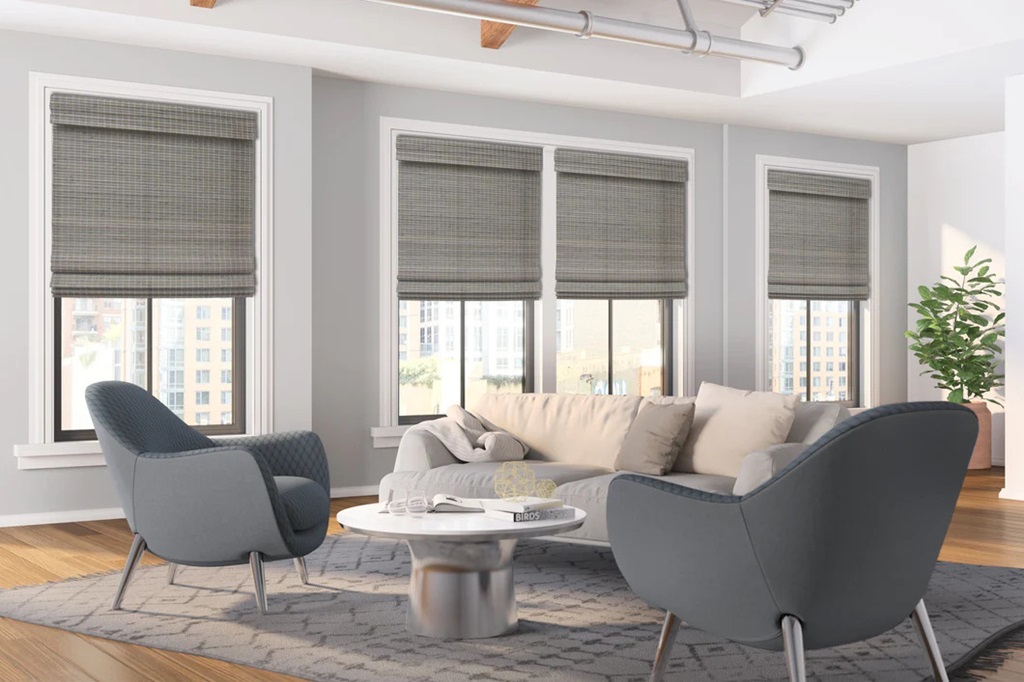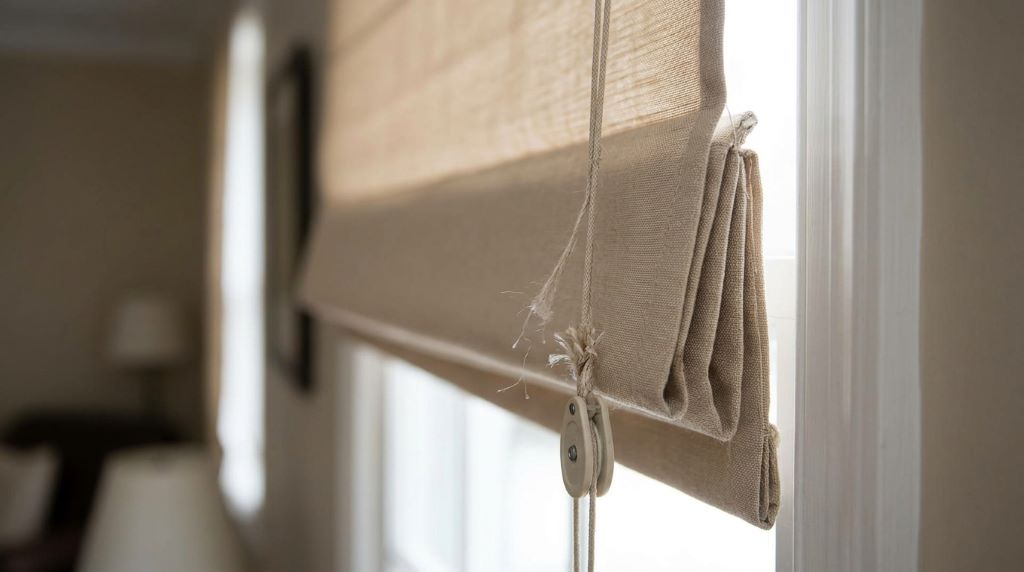
Window coverings play an important role in Tampa homes. They control sunlight, improve privacy, and help reduce indoor heat. However, many homeowners notice that blinds, shades, and shutters often fail sooner than expected. According to housing maintenance reports, excessive humidity can shorten the lifespan of many interior components. In addition, prolonged UV exposure can damage materials much faster in sunny climates. Many residents eventually need to repair malfunctioning window blinds because local weather conditions create constant stress on window treatments.
Tampa’s Climate Creates Constant Wear
Tampa experiences high humidity throughout much of the year. Moisture remains present even during periods without rain. As a result, many window coverings absorb moisture daily. Over time, components begin to swell, warp, or lose structural strength.
Strong sunlight creates another major challenge. UV rays strike windows for many hours each day. Consequently, fabrics fade faster than expected. Plastic and vinyl parts also become brittle after repeated exposure.
Frequent weather changes add another layer of stress. Temperatures often rise quickly during the day. Then evening humidity increases again. Therefore, window treatments constantly expand and contract, which gradually weakens important parts.
Humidity Damages Internal Components
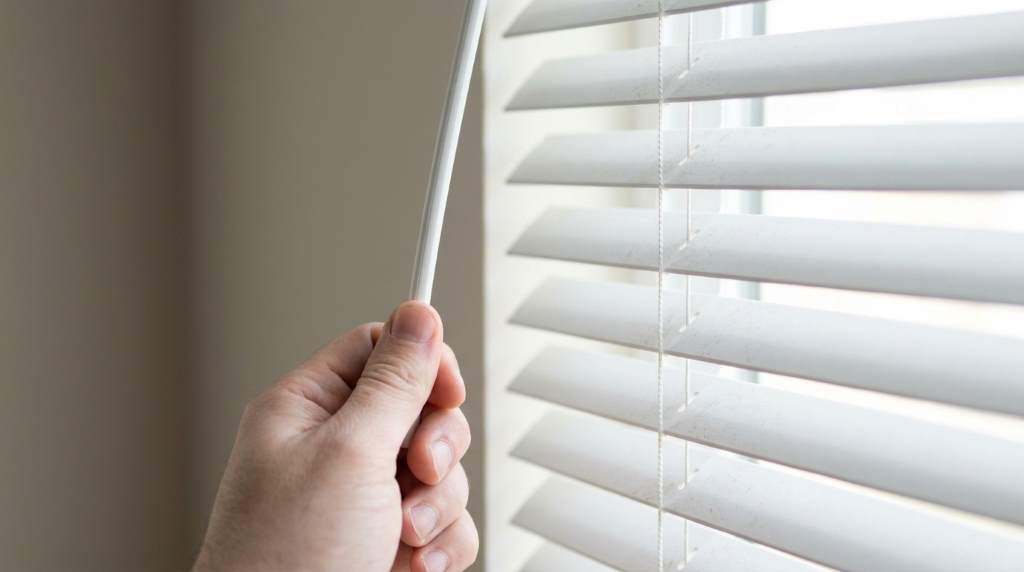
Most homeowners focus on visible damage. However, hidden mechanical parts often fail first. Moisture can affect cords, springs, gears, and mounting hardware. Eventually, these components stop moving smoothly.
Metal brackets frequently develop corrosion in humid environments. Small rust spots may seem harmless initially. Yet they spread over time and reduce structural stability. Consequently, blinds may tilt unevenly or stop operating altogether.
Window upgrades sometimes reveal similar moisture concerns. During projects involving replace window with door improvements, homeowners often discover hidden humidity damage around nearby coverings. This finding highlights how moisture affects more than just the window frame.
Signs of Moisture Related Failure
- Rust on brackets or screws
- Sticky operating mechanisms
- Warped slats or panels
- Mold spots near window edges
- Frayed lift cords
Salt Air Speeds Up Deterioration
Tampa’s coastal location creates unique maintenance challenges. Salt particles travel inland through the air. Although homeowners rarely notice them, these particles settle on surfaces continuously. Over time, they contribute to corrosion.
Metal blinds often suffer the most damage. Salt accelerates oxidation on exposed hardware. As a result, operating systems become less reliable. Many homeowners mistakenly blame age when corrosion actually caused the failure.
Exterior facing windows experience stronger exposure. Therefore, coverings near these openings usually wear out faster. Regular cleaning can slow the process significantly. Nevertheless, salt exposure remains an ongoing concern.
Sun Exposure Weakens Materials
Florida sunshine benefits outdoor lifestyles. However, it creates serious challenges indoors. Continuous UV exposure breaks down many common window covering materials. Consequently, fading and cracking often appear earlier than expected.
Fabric shades gradually lose color depth. Wooden blinds may dry excessively and develop splits. Meanwhile, synthetic materials can become brittle. Eventually, normal operation causes additional cracking or breakage.
Window size also influences sunlight exposure. Homeowners researching what size blinds solutions should consider material durability alongside measurements. Proper sizing helps, but sunlight resistance remains equally important.
Materials Most Vulnerable to UV Damage
- Low quality vinyl blinds
- Untreated natural wood
- Thin polyester fabrics
- Plastic operating components
- Low grade adhesives
Improper Installation Causes Early Failure
Not every problem originates from weather. Installation mistakes often shorten product lifespan dramatically. Even premium window treatments can fail quickly when mounted incorrectly. Therefore, installation quality deserves careful attention.
Loose brackets allow excessive movement during operation. Misaligned mounting hardware creates uneven pressure. Consequently, lift systems experience additional strain. Over time, mechanical failures become more likely.
Many homeowners notice operational problems within the first year. However, they assume the product itself caused the issue. In reality, installation errors frequently create the underlying problem. Early inspection can prevent expensive replacements.
The Overlooked Problem of Indoor Moisture Cycles
Most articles discuss outdoor humidity. Yet indoor moisture cycles create a less discussed challenge. Daily air conditioning use changes indoor temperatures repeatedly. As a result, condensation forms more often than many homeowners realize.
Window coverings sit directly beside temperature differences. Therefore, they experience frequent moisture exposure. Small amounts accumulate over months and years. Eventually, materials weaken even without obvious water damage.
This issue becomes more noticeable in energy efficient homes. Better insulation traps conditioned air indoors. Consequently, temperature differences near windows may become more pronounced. Window coverings must handle these repeated environmental shifts.
Dust and Airborne Particles Affect Performance
Many people underestimate the impact of dust accumulation. Tiny particles settle inside operating mechanisms regularly. Over time, movement becomes less smooth. Eventually, gears and cords experience additional wear.
Tampa’s long cooling season contributes to this issue. Air conditioning systems circulate airborne particles continuously. Consequently, window coverings collect dust faster than expected. Regular cleaning helps reduce long term damage.
Neglected buildup creates friction inside moving parts. Therefore, users apply more force during operation. That extra pressure increases strain on components. Eventually, mechanical failures occur much sooner.
Large Windows Create Additional Stress
Modern Tampa homes often feature expansive windows. These designs improve natural lighting and outdoor views. However, larger coverings require stronger support systems. Therefore, they face greater operational stress.
Heavier shades place more tension on lift mechanisms. Wide blinds require greater structural stability. Consequently, even minor weaknesses become more noticeable. Routine inspections help identify developing problems early.
Decorative designs can also influence performance. Homeowners exploring decorate bay window ideas should balance appearance with functionality. Attractive solutions work best when they match structural requirements.
Maintenance Habits Matter More Than Most People Think
Many window covering failures result from neglected maintenance. Simple cleaning routines can extend lifespan significantly. However, homeowners often overlook these tasks. Consequently, minor issues become major repairs.
Monthly inspections help identify developing problems. Cleaning tracks and hardware reduces friction. Likewise, checking brackets prevents alignment issues. Small efforts often prevent costly replacements.
Lubrication also improves mechanical performance. However, homeowners should use manufacturer approved products. Incorrect lubricants can attract additional dust. Therefore, proper maintenance methods remain essential.
Simple Maintenance Checklist
- Dust coverings weekly
- Inspect brackets monthly
- Check cords for wear
- Clean operating tracks regularly
- Address moisture issues quickly
Choosing Better Materials for Tampa Homes
Selecting suitable materials reduces future problems considerably. Moisture resistant products generally perform better in Tampa. Therefore, homeowners should evaluate environmental durability carefully. Material selection often determines long term success.
Composite materials resist humidity more effectively than untreated wood. UV resistant fabrics maintain appearance longer. Likewise, corrosion resistant hardware improves reliability. These upgrades often justify their additional cost.
Homeowners should also consider manufacturer warranties and environmental ratings. Products designed for humid climates typically last longer. Consequently, they provide better overall value. Research remains an important part of the purchasing process.
When Repair Makes More Sense Than Replacement
Not every malfunction requires complete replacement. Many issues involve isolated components. Therefore, targeted repairs often restore normal performance. Early action usually keeps costs manageable.
Broken cords, damaged brackets, and worn hardware often have straightforward solutions. However, severe warping may require replacement. Proper diagnosis helps homeowners make informed decisions. Professional assessments can identify the most practical option.
Ignoring minor problems rarely saves money. Instead, damage often spreads to additional components. Consequently, repair costs increase over time. Prompt attention protects both function and appearance.
Conclusion
Window coverings stop working in Tampa for several reasons. High humidity, intense sunlight, salt exposure, and maintenance issues all contribute to failure. Furthermore, hidden indoor moisture cycles often accelerate deterioration. Understanding these factors helps homeowners make smarter decisions.
Regular inspections, proper cleaning, and climate appropriate materials can extend product lifespan significantly. Therefore, proactive maintenance remains the best strategy. If your blinds or shades show signs of trouble, address the issue quickly. Taking action today can prevent larger repair costs tomorrow.
FAQs
Why do blinds fail faster in Tampa?
High humidity, strong sunlight, and salt exposure accelerate wear on materials and mechanical parts.
Can humidity damage window shades?
Yes, moisture can warp materials and weaken internal operating components.
How often should window coverings be cleaned?
Most homeowners should clean and inspect them at least once each month.
Are certain materials better for Florida homes?
Composite materials, UV resistant fabrics, and corrosion resistant hardware usually perform best.
Should I repair or replace damaged blinds?
Minor mechanical problems often require repairs, while severe structural damage may require replacement.