Imagine standing in an empty plot of land, visualizing your dream home. The walls rise, rooms take shape, and sunlight streams through windows you haven’t even built yet. Now, imagine turning that vision into reality—without spending thousands on an architect. Sounds impossible? It’s not. Drawing a simple home floor plan yourself is not only achievable but also empowering. In fact, a 2023 survey by the National Association of Home Builders revealed that 42% of new homeowners actively participated in designing their floor plans, with many opting for DIY approaches to save costs and add a personal touch.
But here’s the catch: a poorly planned layout can lead to wasted space, inefficient workflows, and even costly construction mistakes. The difference between a functional home and a frustrating one often boils down to the floor plan. So, how do you strike the balance between creativity and practicality? How do you ensure your DIY house floor plan meets your needs without professional help?
This guide will walk you through the process of drawing a simple home floor plan from scratch. You’ll learn how to measure accurately, use free tools, and avoid common pitfalls. Whether you’re sketching a cozy cottage or a modern minimalist abode, these steps will help you create a home layout that’s both beautiful and functional.
Why You Don’t Always Need an Architect for a Simple Home Floor Plan
Hiring an architect can cost anywhere from $2,000 to $10,000, depending on the project’s complexity. For many homeowners, especially those building modest or straightforward homes, this expense feels unnecessary. DIY house floor plans have surged in popularity, thanks to user-friendly software and online resources. Platforms like SketchUp Free, RoomSketcher, and even graph paper offer accessible ways to draft a home design.
However, not all projects are created equal. If you’re planning a multi-story mansion with intricate details, an architect’s expertise is invaluable. But for a simple home floor plan—think a single-story, three-bedroom house—a DIY approach can be just as effective. The key lies in understanding basic design principles, such as traffic flow, room proportions, and natural lighting.
Take, for example, the tiny house movement. Many tiny homeowners design their layouts using free online tools, focusing on maximizing every square foot. Their success proves that with the right guidance, anyone can create a functional and aesthetically pleasing home layout.
Step 1: Define Your Needs and Set Clear Goals
Before you put pencil to paper, ask yourself: What do I need from my home? Start by listing your must-haves. Do you need three bedrooms, or will two suffice? Is an open-concept kitchen a priority? What about storage space?
A 2024 study by Houzz found that 68% of homeowners regret not including enough storage in their initial designs. This statistic highlights the importance of planning for both current and future needs. For instance, if you work from home, a dedicated office space might be essential. If you love entertaining, an open living area with a seamless flow to the kitchen could be ideal.
Consider your lifestyle, family size, and long-term plans. Will your family grow? Do you plan to age in place? Answering these questions will shape your simple home floor plan and prevent costly renovations later.
Step 2: Measure Your Space and Understand Scale
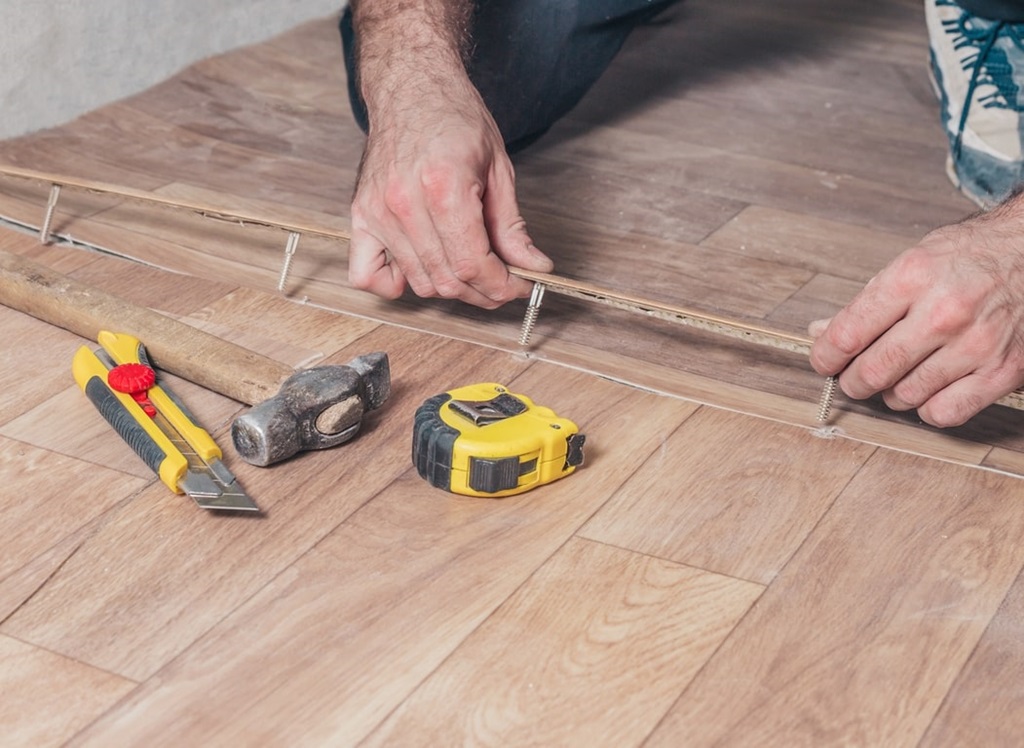
Accuracy is the backbone of any successful floor plan. Start by measuring the dimensions of your plot or existing space. Use a tape measure for smaller areas and a laser measure for larger plots. Record these measurements carefully, as even a small error can throw off your entire design.
Once you have your measurements, decide on a scale for your floor plan. A common scale is 1/4 inch equals 1 foot. This means every 1/4 inch on your drawing represents 1 foot in real life. Using graph paper can simplify this process, as the grid lines help maintain proportionality.
Pro tip: Always double-check your measurements. A misaligned wall or incorrectly sized room can lead to construction delays and increased costs. If you’re unsure, use a digital tool like Floorplanner, which automatically scales your design based on the dimensions you input.
Step 3: Sketch a Rough Draft of Your Home Layout
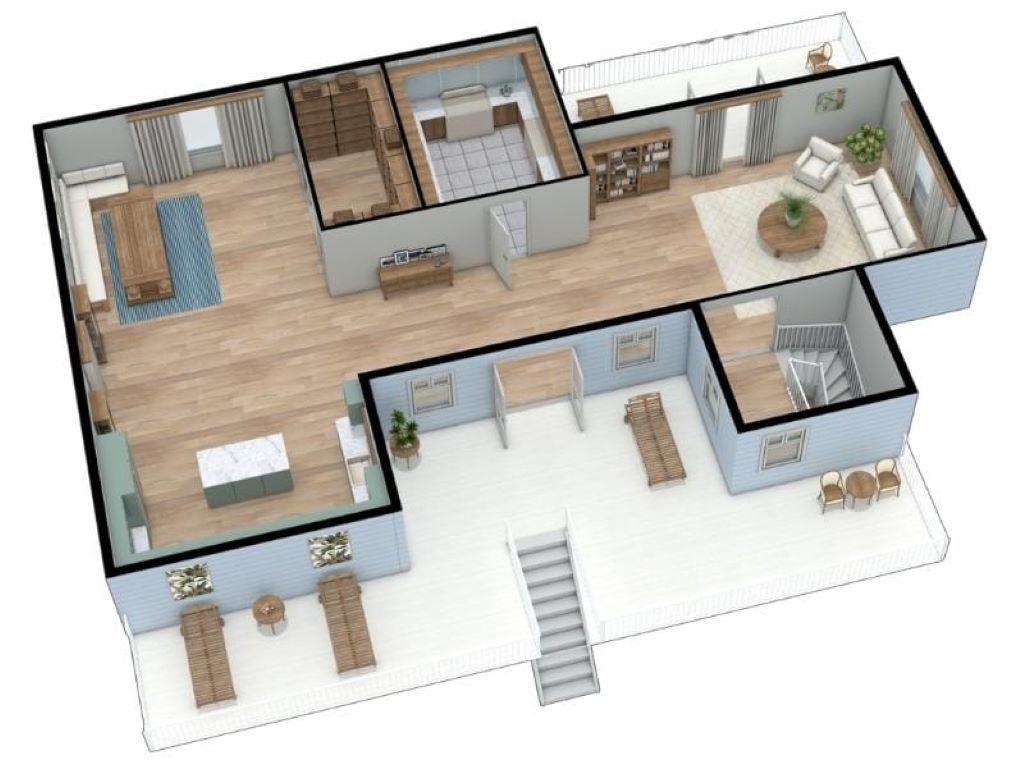
Now that you have your measurements, it’s time to sketch a rough draft. Start with the basics: outline the exterior walls, then divide the interior space into rooms. Focus on the flow between rooms. For example, the kitchen, dining area, and living room should connect seamlessly for easy movement.
Consider the “work triangle” in kitchen design—a concept that places the sink, stove, and refrigerator in a triangular layout to minimize steps. Applying similar logic to your entire home layout ensures efficiency. Place frequently used rooms, like the kitchen and living room, near each other. Keep bedrooms away from noisy areas for better privacy.
Don’t worry about perfection at this stage. Your initial sketch is a starting point, not a final product. Use erasable pencils or digital tools that allow easy modifications.
Step 4: Use Free Tools to Bring Your Vision to Life
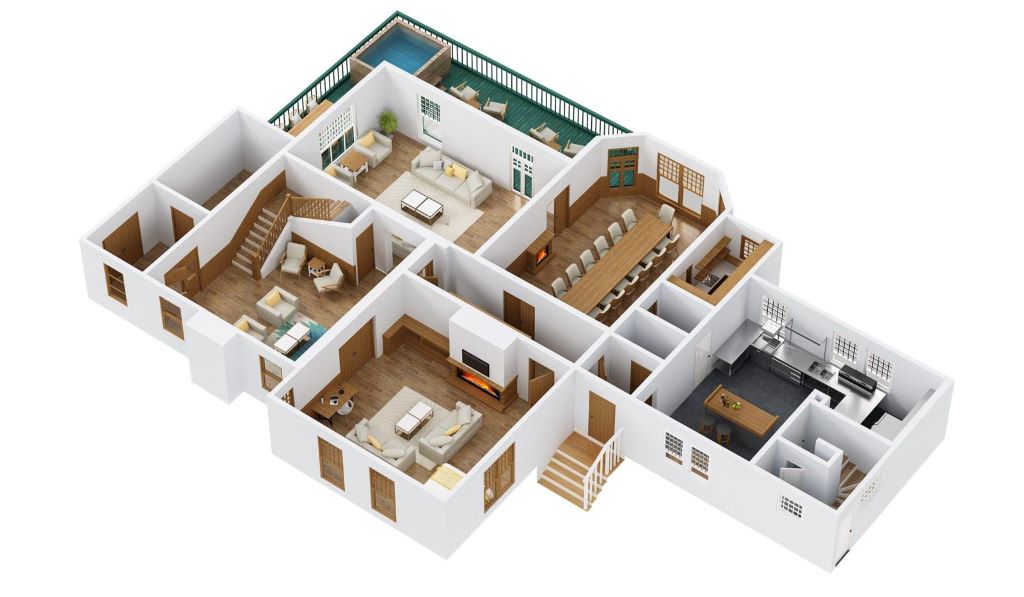
Gone are the days when you needed expensive software to create a floor plan. Today, free tools like SketchUp Free, Sweet Home 3D, and RoomSketcher offer intuitive interfaces for designing your home layout. These platforms provide drag-and-drop features, pre-loaded furniture, and 3D visualization options.
For example, Sweet Home 3D allows you to draw walls, add doors and windows, and even furnish your space virtually. You can experiment with different layouts and see how changes affect the overall design. This trial-and-error process is invaluable for refining your simple home floor plan.
If you prefer a hands-on approach, graph paper and a ruler work just as well. Many homeowners find that sketching by hand helps them visualize their space more clearly.
Step 5: Incorporate Essential Design Principles
A well-designed floor plan follows a few fundamental principles:
- Traffic Flow: Ensure there’s a logical path between rooms. Avoid placing doors directly opposite each other, as this can create a “tunnel effect” and disrupt privacy.
- Natural Light: Position windows to maximize sunlight, especially in living areas and kitchens. South-facing windows are ideal for passive solar heating.
- Storage Solutions: Built-in storage, such as closets and cabinets, should be strategically placed to avoid clutter.
- Flexibility: Design rooms that can adapt to changing needs. For example, a guest room can double as a home office.
According to the American Institute of Architects, homes with open floor plans and ample natural light sell 20% faster than those without. These principles not only enhance livability but also boost your home’s resale value.
Step 6: Review, Revise, and Finalize Your Plan
Once you’ve drafted your floor plan, take a step back and review it critically. Ask yourself:
- Does the layout meet my needs and lifestyle?
- Are the rooms proportionate and functional?
- Is there enough storage and natural light?
- Does the traffic flow make sense?
Share your design with friends or family for feedback. Sometimes, an outside perspective can spot issues you might have missed. Use their input to refine your plan.
If you’re using digital tools, take advantage of the 3D visualization feature. Walking through your design virtually can reveal potential problems, such as awkward door placements or poorly lit areas.
Step 7: Prepare for Construction
With your finalized simple home floor plan in hand, you’re ready to move to the next phase: construction. If you’re working with a contractor, provide them with a detailed copy of your plan. Include measurements, room labels, and any specific notes about materials or finishes.
For DIY builders, use your floor plan as a blueprint for marking out the foundation and framing. Double-check all measurements before breaking ground to avoid costly mistakes.
Real-Life Example: A DIY Success Story
Take the case of Sarah and Mark, a couple from Oregon who designed their 1,200-square-foot home without an architect. Using SketchUp Free, they created a simple home floor plan that included two bedrooms, an open-concept living area, and a spacious kitchen. By focusing on natural light and efficient storage, they built a home that felt both cozy and modern.
“Designing our floor plan ourselves gave us the freedom to customize every detail,” Sarah shared. “We saved over $5,000 in architect fees and ended up with a home that perfectly fits our lifestyle.”
Related Topics:
1. How to Create the Perfect Home Layout for Comfort and Function
2. Home Improvement on a Budget: Affordable Décor Ideas for Every Room
7 FAQs About Drawing a Simple Home Floor Plan
1. Can I really design a floor plan without any experience?
Absolutely. Many free tools and online tutorials make it easy for beginners. Start with a simple layout and gradually add details.
2. What’s the best free software for creating a floor plan?
SketchUp Free and Sweet Home 3D are excellent options. Both offer user-friendly interfaces and robust features.
3. How do I ensure my floor plan is functional?
Focus on traffic flow, room proportions, and natural light. Test your design by walking through it virtually or on paper.
4. What are common mistakes to avoid?
Avoid overcrowding rooms, ignoring storage needs, and placing doors or windows in impractical locations.
5. Do I need to follow building codes?
Yes. Even with a DIY house floor plan, you must comply with local building codes. Consult your local planning department for guidelines.
6. Can I modify my floor plan after construction starts?
Minor changes are possible, but major modifications can be costly. Finalize your design before construction begins.
7. How much can I save by designing my own floor plan?
Depending on the project, you can save between $2,000 and $10,000 by skipping an architect. However, complex designs may still require professional input.
Conclusion: Your Dream Home Starts with a Simple Floor Plan
Designing your own simple home floor plan is a rewarding journey. It empowers you to create a space that reflects your personality, meets your needs, and fits your budget. By following these steps—defining your goals, measuring accurately, sketching thoughtfully, and using the right tools—you’ll craft a home layout that’s both functional and inspiring.
Remember, the key to success lies in planning and patience. Don’t rush the process. Take the time to review, revise, and perfect your design. And when in doubt, seek feedback from others or consult online resources.
Now, grab your pencil, fire up your favorite design tool, and start drawing the home of your dreams. Your perfect simple home floor plan is just a few steps away.
Ready to bring your vision to life? Share your floor plan progress in the comments or tag us on social media. We’d love to see your creations!
Featured Image Source