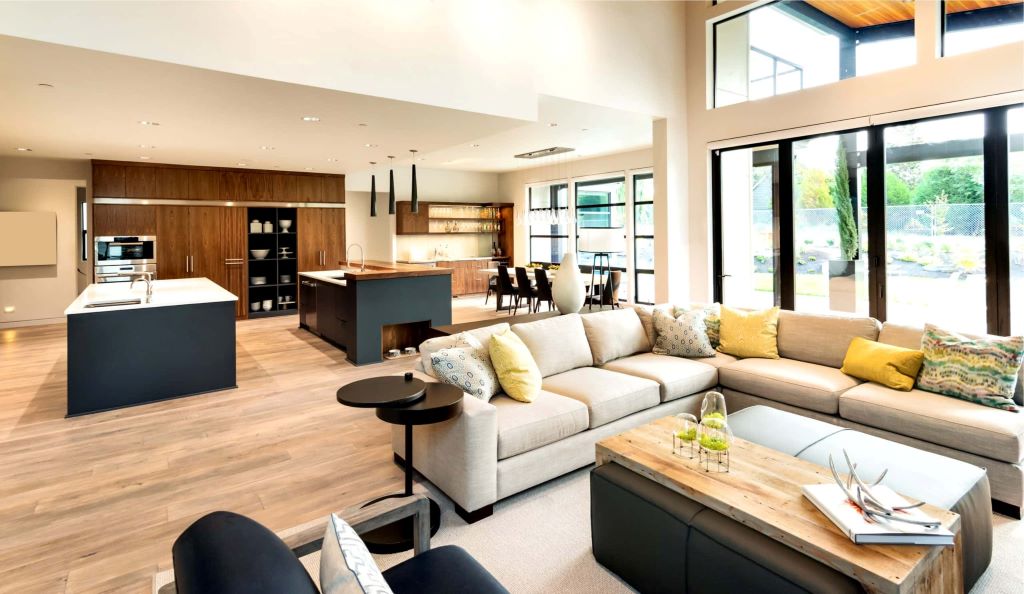
Imagine walking into a home where every room feels like it was designed just for you. The kitchen flows effortlessly into the dining area. The living room invites relaxation without clutter. The bedrooms offer sanctuary from the outside world. This isn’t just a dream—it’s the result of a perfect home layout.
A well-planned home layout does more than just look good. It enhances your daily life, reduces stress, and even boosts productivity. According to a 2023 study by the Journal of Environmental Psychology, people who live in thoughtfully designed spaces report 30% higher satisfaction with their homes. Yet, many homeowners overlook the importance of layout, focusing instead on decor or aesthetics.
The truth? Functionality should always come first. A functional home design ensures that your space works for you, not against you. Whether you’re building a new house, renovating, or simply rearranging furniture, understanding the principles of a comfortable house layout can transform your living experience.
In this guide, we’ll explore how to create a home layout that balances beauty and practicality. You’ll learn from real-world examples, expert tips, and actionable strategies to maximize every square foot. Let’s dive in.
The Foundation: Understanding Your Needs and Lifestyle
Before sketching a single line, ask yourself: How do I live?
Every perfect home layout starts with a deep understanding of your habits, preferences, and future plans. A family with young children will prioritize open play areas and safety. Remote workers need quiet, well-lit offices. Empty nesters might crave cozy, low-maintenance spaces.
Professional Tip: Create a “needs vs. wants” list. Needs are non-negotiable—like a wheelchair-accessible bathroom or a home office. Wants are bonuses, such as a wine cellar or a media room. This clarity prevents costly mistakes later.
Assessing Your Space
- Measure twice, plan once. Use a laser measure or apps like MagicPlan to document room dimensions. Note door swings, window placements, and electrical outlets.
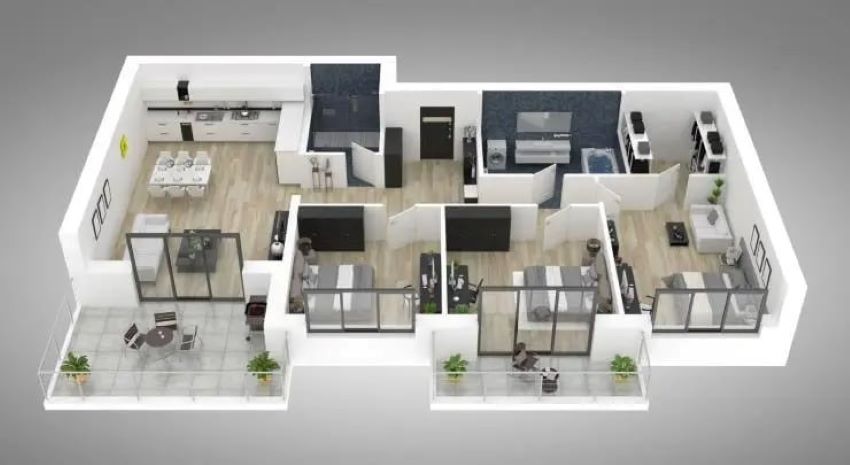
- Traffic flow matters. The National Association of Home Builders (NAHB) recommends at least 3 feet of clearance for high-traffic areas. Avoid bottlenecks by ensuring clear paths between rooms.
- Future-proof your design. Will your family grow? Will you age in place? Incorporate flexible spaces, like a guest room that doubles as a nursery or a study.
Example: The “Not So Big House” movement, popularized by architect Sarah Susanka, emphasizes quality over quantity. Her designs focus on home floor plan ideas that prioritize livability, proving that smaller, well-planned spaces often feel more luxurious than sprawling, inefficient ones.
The Heart of the Home: Kitchen and Dining Layouts
The kitchen is where function meets form. A poorly designed kitchen wastes time and energy. A great one makes cooking a joy.
The Work Triangle Rule
For decades, designers have relied on the “work triangle” concept: the sink, stove, and refrigerator should form a triangle with each side measuring 4 to 9 feet. This minimizes steps and maximizes efficiency. However, modern functional home design often expands this to a “work zone” approach, especially in open-concept kitchens.
Real-World Review: Homeowner Maria K. shared, “After remodeling, I added a prep sink near the stove. It cut my meal prep time in half!” Small tweaks like this can make a big difference.
Island vs. Peninsula: Which Is Right for You?
- Islands offer 360-degree access and extra seating. They’re ideal for large kitchens but require at least 10 feet of space to avoid cramped walkways.
- Peninsulas attach to a wall or cabinetry, saving space while still providing extra countertop area. They’re perfect for galley kitchens.
Statistic: A Houzz kitchen trends study found that 60% of homeowners prioritize storage in their perfect home layout, followed by counter space (52%) and modern appliances (47%).
Dining Area Integration
Open-concept layouts dominate modern homes, but they’re not without challenges. Noise and smells can travel easily. Solutions:
- Use rugs or ceiling beams to define the dining area visually.
- Install a range hood with a high CFM (cubic feet per minute) rating to contain cooking odors.
Example: The “broken-plan” layout—a middle ground between open and closed—uses partial walls or glass partitions to create zones without sacrificing flow.
Living Rooms: Balancing Comfort and Style
Your living room should reflect your personality while serving multiple purposes: entertaining, relaxing, and even working.
Furniture Placement Secrets
- Float your furniture. Don’t push sofas against walls by default. Floating arrangements create intimate conversation areas.
- Prioritize the focal point. Whether it’s a fireplace, TV, or a stunning view, arrange seating to face it.
- Leave breathing room. Aim for 18 inches between the coffee table and sofa for easy movement.
Expert Insight: Interior designer Nate Berkus advises, “A room should tell a story. Mix textures, eras, and styles for a collected, lived-in feel.” This approach ensures your comfortable house layout feels authentic.
Lighting Layers
- Ambient lighting (overhead fixtures) sets the base.
- Task lighting (lamps, under-cabinet lights) illuminates specific areas.
- Accent lighting (wall sconces, LED strips) adds drama.
Statistic: The American Lighting Association reports that homes with layered lighting sell 20% faster than those with single-light-source rooms.
Bedrooms: Your Personal Sanctuary
A well-designed bedroom promotes rest and rejuvenation. The key? Minimizing distractions and maximizing comfort.
Bed Placement
- Avoid placing the bed directly under a window (drafts and light disruption).
- Ensure at least 2 feet of walking space around the bed.
- Position the bed so you see the door but aren’t in line with it (a Feng Shui principle for security).
Review: After repositioning her bed away from the door, sleep consultant Dr. Rebecca Robbins noted, “My clients report deeper sleep when their bed placement aligns with natural sightlines.”
Storage Solutions
- Under-bed drawers utilize dead space.
- Wall-mounted nightstands save floor space in tight rooms.
- Built-in wardrobes eliminate the need for bulky dressers.
Example: Japanese minimalism inspires many home floor plan ideas, using sliding doors and hidden storage to maintain a clutter-free environment.
Bathrooms: Small Spaces, Big Impact
Even the smallest bathroom can feel luxurious with smart planning.
Wet vs. Dry Zones
Separate the shower/toilet area (wet) from the vanity (dry) to prevent moisture damage. Use glass partitions or half-walls for an open feel.
Vanity Height
Standard vanities are 32 inches tall, but 36 inches is more ergonomic for adults. Wall-mounted vanities create the illusion of more space.
Statistic: A NKBA (National Kitchen & Bath Association) survey found that 78% of homeowners want double sinks in their master bathroom for shared use.
Home Offices: Productivity Meets Comfort
Remote work is here to stay. Your home office should support focus and creativity.
Location Matters
- Natural light boosts mood and productivity. Position your desk near a window but avoid glare on screens.
- Separate from high-traffic areas to minimize distractions.
Expert Tip: Ergonomics consultant Dr. Alan Hedge recommends a desk height of 28-30 inches and a monitor at eye level to reduce strain.
Outdoor Spaces: Extending Your Living Area
Don’t neglect your yard or balcony. Outdoor “rooms” expand your usable space.
Zoning Your Outdoor Space
- Dining area with a grill or fire pit.
- Lounge zone with weather-resistant furniture.
- Garden or play area for kids or pets.
Example: Australian architect Peter Stutchbury designs homes that blur indoor-outdoor boundaries, using sliding walls and consistent flooring materials.
Common Mistakes to Avoid
Even the best-laid plans can go awry. Here’s what to watch for:
- Ignoring the entryway. A cluttered foyer sets a chaotic tone. Include storage for shoes and coats.
- Overlooking storage. The average U.S. home contains 300,000 items (LA Times). Plan for enough closets, cabinets, and shelving.
- Skipping a mudroom. This buffer zone keeps dirt and clutter out of the main living areas.
Related Topics:
1) Home Improvement on a Budget: Affordable Décor Ideas for Every Room
2) 10 Interior Design Rules to Follow When Decorating Your Home
7 FAQs About Creating the Perfect Home Layout
1. How much does it cost to redesign a home layout?
Costs vary widely. Minor rearrangements (furniture, paint) can cost under $1,000. Structural changes (removing walls, adding rooms) range from $10,000 to $50,000+.
2. Can I design a functional layout in a small home?
Absolutely! Use multi-functional furniture (e.g., Murphy beds, fold-out desks) and vertical storage. Open shelving creates an airy feel.
3. What’s the best layout for a family with kids?
Open-concept living areas allow supervision, while defined bedrooms offer privacy. Include a playroom or homework nook near the kitchen.
4. How do I choose between an open or closed floor plan?
Open plans suit social families but can be noisy. Closed layouts offer privacy and are better for sound control. Hybrid “broken-plan” designs offer a compromise.
5. Should I hire a professional designer?
If your project involves structural changes or complex electrical/plumbing work, yes. For cosmetic updates, DIY tools like SketchUp or Roomstyler can help.
6. How can I make my home layout more sustainable?
Use energy-efficient windows, solar panels, and locally sourced materials. Position rooms to maximize natural light and ventilation.
7. What’s the biggest trend in home layouts for 2026?
Flexible spaces are in demand. Homeowners want rooms that adapt—like a guest room that doubles as a gym or a dining room that converts to a workspace.
Conclusion: Your Blueprint for a Dream Home
Creating the perfect home layout isn’t about following rigid rules. It’s about designing a space that reflects your life, enhances your comfort, and grows with your needs.
Start small: Rearrange one room using the principles here. Notice how the flow improves. Then, tackle larger projects with confidence.
Your Call to Action:
- Sketch your current layout. Identify pain points.
- Prioritize one area to redesign this month.
- Consult a professional if needed—it’s an investment in your quality of life.
Remember, the best homes aren’t just beautiful—they’re livable. With thoughtful planning, your space can be both.
Featured Image Source