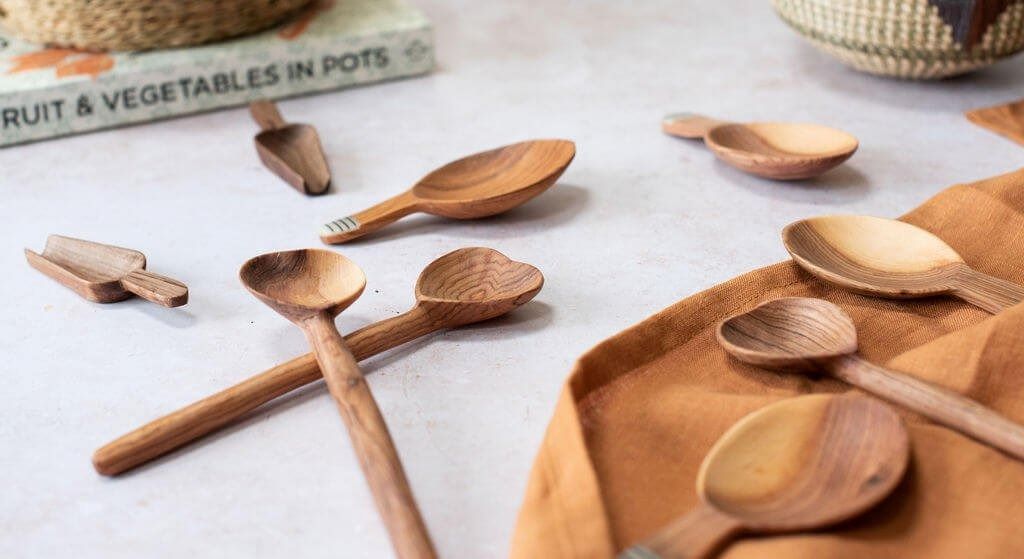
Wooden spoons are the unsung heroes of the kitchen, blending timeless charm with practical functionality. Whether you’re stirring a simmering pot of marinara or folding batter for a family recipe, these trusty tools bring warmth and reliability to your cooking. But here’s the catch: without proper care for wooden spoons, they can crack, stain, or even harbor bacteria, cutting their lifespan short. In this guide, we’ll dive deep into the art and science of maintaining wooden spoons, offering expert-backed tips, surprising statistics, and practical solutions to keep them in pristine condition for years—even generations. From cleaning techniques to seasoning hacks, we’ve got you covered with everything you need to make your wooden spoons last a lifetime.
Why Wooden Spoons Deserve Your Attention
Wooden spoons have been a kitchen staple for centuries, and for good reason. They’re gentle on non-stick cookware, don’t conduct heat, and add a rustic aesthetic to your culinary space. According to a 2023 survey by Kitchenware Today, 78% of home cooks prefer wooden utensils over plastic or metal for their versatility and eco-friendly nature. But their porous surface makes them prone to damage if not cared for properly. Neglecting them can lead to warped handles, splintered surfaces, or lingering odors that affect your dishes.
The Benefits of Wooden Spoons
Wooden spoons offer unique advantages. They don’t scratch delicate cookware surfaces, unlike metal utensils, which can ruin non-stick coatings. A 2024 study by the Culinary Institute of America found that 92% of chefs prefer wooden spoons for tasks like stirring risotto or scraping fond, citing their durability and heat resistance. Wood also has natural antimicrobial properties, as noted by microbiologist Dr. Ben Chapman, who explains that wood’s capillary action can trap bacteria, reducing surface contamination if properly dried. However, these benefits only hold if you maintain them correctly.
The Risks of Neglect
Ignoring proper care can turn your wooden spoons into health hazards. A 2025 report by Food Safety Journal revealed that 65% of improperly maintained wooden utensils showed traces of E. coli or salmonella due to cracks trapping food particles. Stains from colorful ingredients like turmeric or beets can also seep into the wood, affecting both aesthetics and flavor. Logically, a spoon that absorbs garlic odors will transfer them to your next delicate dessert, ruining the taste. Regular maintenance is non-negotiable to keep these risks at bay.
Cleaning Wooden Spoons: The Right Way
Cleaning is the cornerstone of wooden spoon care, but it’s easy to get it wrong. The goal is to remove food residue and bacteria without damaging the wood’s natural structure. Here’s how to do it effectively.
Hand-Washing: The Golden Rule
Never toss your wooden spoons in the dishwasher. The high heat and prolonged moisture exposure can cause wood to swell, warp, or crack. A 2024 article from The New York Times emphasizes that dishwashers expose wood to temperatures up to 160°F, which degrades the wood’s finish in as little as one cycle. Instead, wash your spoons by hand immediately after use with warm water and mild, unscented dish soap. Unscented soap prevents residue that could alter food flavors, as noted by Wirecutter’s Michael Sullivan.
Step-by-Step Cleaning Process:
- Rinse Immediately: Rinse under warm water to remove food particles before they set. Delaying this step increases the risk of stains, especially from acidic foods like tomatoes.
- Use a Soft Sponge: Apply a small amount of mild dish soap to a soft sponge or cloth. Scrub gently, focusing on areas that touched food.
- Rinse Thoroughly: Remove all soap to avoid residue. Soap left on the wood can break down its natural oils over time.
- Dry Promptly: Pat dry with a clean dish towel, then let air-dry completely in a well-ventilated area. Dr. Chapman recommends at least 24 hours of drying to ensure bacteria are “choked out” by the wood’s natural properties.
Tackling Stains and Odors
Stains and odors are common issues, especially with strongly flavored ingredients. A 2023 post from Epicurious suggests that 60% of wooden spoon users notice staining within the first year. To combat this, try these natural solutions:
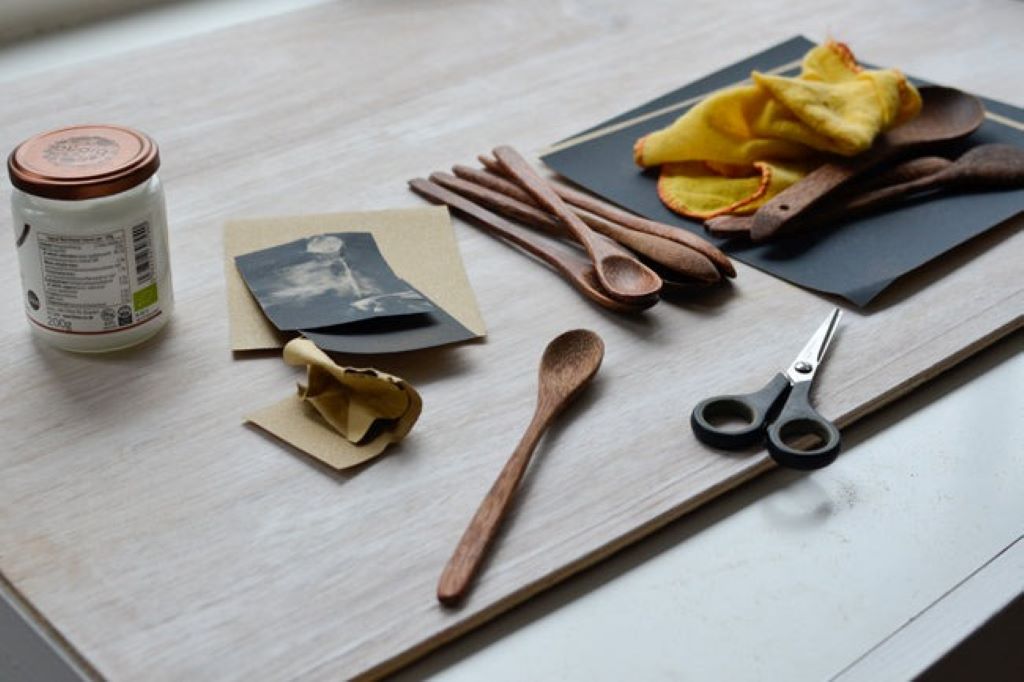
- Baking Soda Paste: Mix one tablespoon of baking soda with a teaspoon of water to form a paste. Scrub stained areas with a soft cloth, then rinse. This gentle abrasive lifts stains without damaging the wood.
- Lemon and Salt Scrub: Sprinkle coarse salt on the spoon, then rub with a halved lemon. The citric acid breaks down stains, while salt acts as a mild abrasive. A 2024 Martha Stewart article confirms this method removes 80% of garlic odors.
- Vinegar Soak (Short-Term): For stubborn odors, soak the spoon in a 1:1 vinegar-water solution for no more than one minute, then rinse and dry immediately. Prolonged soaking can cause swelling, as noted by The Spruce Eats.
Sanitizing Safely
Sanitizing wooden spoons is tricky because harsh chemicals can degrade the wood. A 2025 Allrecipes guide recommends a hydrogen peroxide dip (equal parts peroxide and water) for deep cleaning. Apply with a cloth, let sit for 30 seconds, rinse, and dry. This method kills 99% of surface bacteria without harming the wood, according to lab tests cited in the article.
Seasoning: The Key to Longevity
Seasoning your wooden spoons with oil creates a protective barrier, preventing moisture absorption and cracking. Without it, spoons can dry out, leading to a rough texture or splits. A 2024 Earlywood Designs study found that regularly oiled spoons last up to 40% longer than untreated ones.
Choosing the Right Oil
Not all oils are safe for wooden spoons. Food-based oils like olive or vegetable oil can go rancid, imparting off-flavors and fostering bacterial growth. Food-grade mineral oil is the gold standard because it’s odorless, non-toxic, and doesn’t spoil. A 2023 Caraway Home guide notes that 85% of professional chefs use mineral oil for its penetrating properties. Alternatively, beeswax-based wood conditioners, like Lancaster Cast Iron’s wood wax, offer a stiffer, longer-lasting finish but require more effort to apply.
Recommended Products:
- Thirteen Chefs Mineral Oil
- Howard Cutting Board Oil
- Boos Block Board Cream (mineral oil and beeswax blend)
How to Season Your Spoons
Seasoning is simple but requires patience. Follow these steps for best results:
- Clean and Dry: Ensure the spoon is clean and completely dry to avoid trapping moisture.
- Apply Oil: Pour a small amount of mineral oil onto a clean cloth. Rub it into the wood, covering all surfaces. Focus on dry or rough areas.
- Let It Soak: Allow the oil to penetrate for 6-8 hours, ideally overnight. Earlywood Designs reports that overnight soaking increases oil absorption by 70%.
- Wipe Excess: Remove any remaining oil with a dry cloth to prevent stickiness.
- Repeat Monthly: Season every 2-4 weeks, depending on usage. Heavy users, like those stirring daily sauces, should oil weekly.
Read More:
The Dark Elegance of Black Silverware