Key Takeaways
- Most roof problems stem from age, weather exposure, or poor installation.
- Leaks, shingle damage, and ventilation issues rank among the most common problems.
- Understanding root causes helps prevent recurring roof issues.
- Some problems develop gradually, while others appear suddenly after storms.
- Regular maintenance addresses many roof problems before they become serious.
Roof problems rarely appear without warning, even when they seem sudden. As home maintenance specialists at https://newhouseproject.com/ caution, most issues develop gradually due to identifiable causes. Therefore, understanding what leads to common roof problems helps you prevent them. This guide covers the most frequent roofing issues homeowners face. You’ll also learn practical ways to address each underlying cause.
Roof Leaks
Roof leaks rank among the most common and concerning problems homeowners face. Water entering through the roof can cause extensive interior and structural damage. Additionally, leaks often originate from several different sources throughout the roof system.
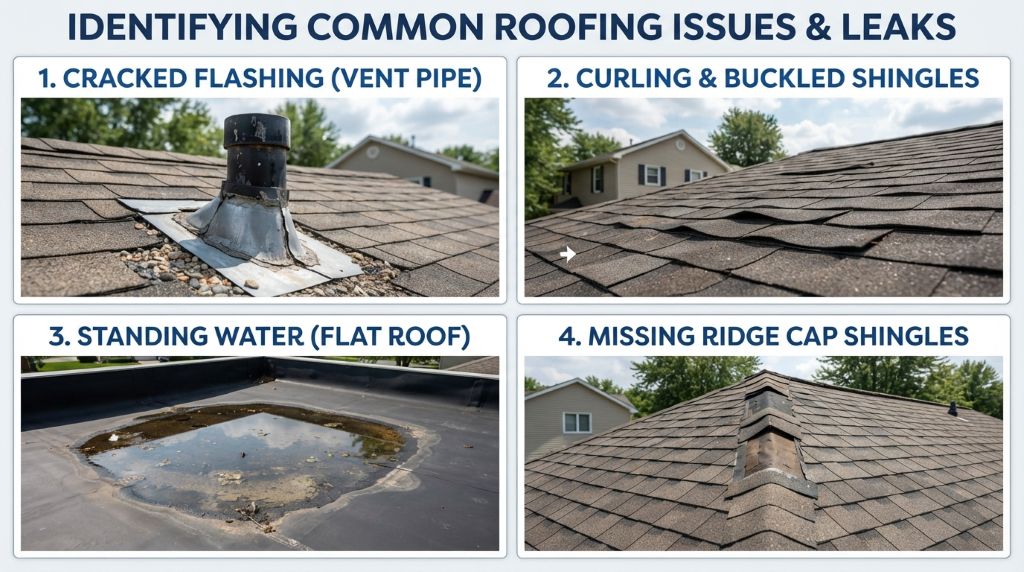
Damaged or missing shingles frequently cause leaks by exposing the roof deck underneath. Additionally, cracked or curled shingles no longer shed water effectively. Therefore, this deterioration creates direct pathways for water infiltration during rain.
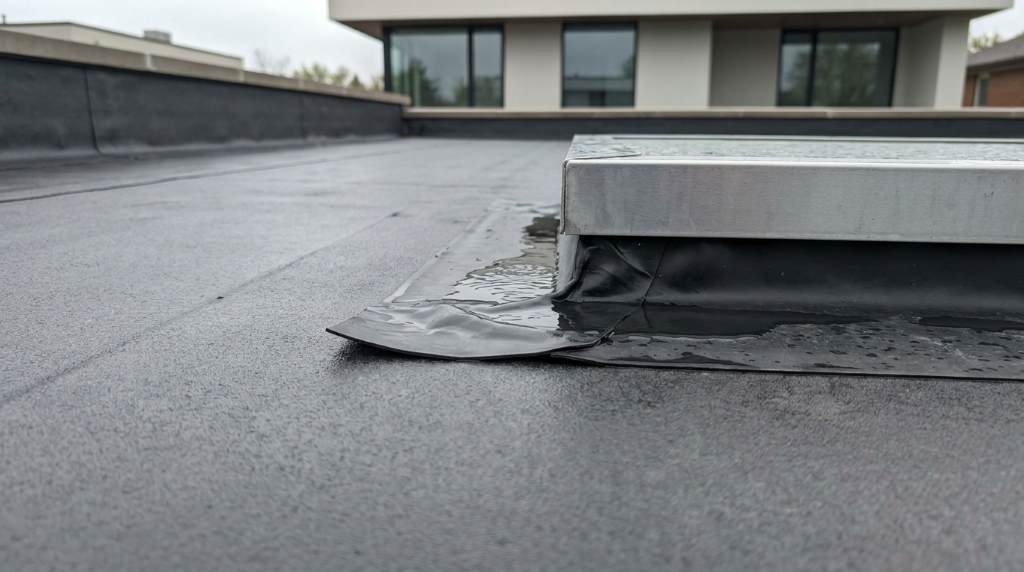
Flashing failures around chimneys, vents, and skylights also contribute significantly to leaks. This metal material seals vulnerable joints where water commonly penetrates. Additionally, flashing can crack, rust, or separate from the roof surface over time.
Common causes of roof leaks include:
- Missing, cracked, or curled shingles exposing the roof deck.
- Damaged or deteriorated flashing around roof penetrations.
- Clogged gutters causing water to back up under shingles.
- Ice dams forming during winter, forcing water under roofing materials.
- Cracked or deteriorated roof vents and pipe boots.
Ice dams deserve special attention as a leak cause, particularly in colder climates. These form when heat escapes through the roof, melting snow that refreezes at the eaves. Therefore, this cycle creates a dam that forces water backward under shingles.
Pipe boots, the rubber seals around plumbing vents, also deteriorate over time due to sun exposure. Additionally, this cracking creates small but significant leak points that worsen gradually. Regular inspection helps catch this often-overlooked leak source.
Addressing the specific cause behind a leak ensures a lasting repair rather than a temporary fix. Therefore, professional diagnosis helps identify the exact source before beginning repairs.
Shingle Damage
Shingles serve as your roof’s primary defense against weather and water. However, various factors can damage this protective layer over time. Additionally, different types of shingle damage often point to different underlying causes.
Wind damage frequently causes shingles to lift, crack, or blow off completely. This damage often occurs at roof edges and corners, where wind pressure concentrates. Therefore, these vulnerable areas deserve extra attention after windy weather.
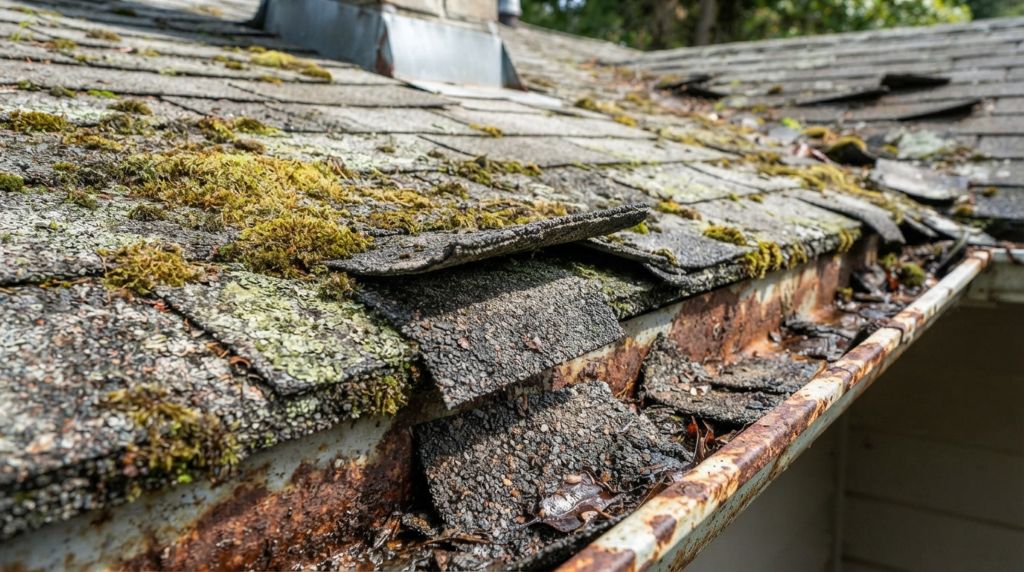
Sun exposure gradually breaks down shingle materials through UV radiation over many years. Additionally, this exposure causes granule loss and brittleness, especially on south-facing roof sections. This natural aging process eventually requires shingle replacement.
Consider these common causes of shingle damage:
- High winds lifting, cracking, or removing shingles from the roof.
- UV exposure causing gradual brittleness and granule loss.
- Hail impact creating cracks, dents, or bruising on shingle surfaces.
- Poor installation leading to premature wear or improper sealing.
- Foot traffic during other home maintenance causing accidental damage.
Hail damage often appears as small dents or bruises rather than obvious cracks. Additionally, this impact damage can compromise the shingle’s waterproofing ability without complete visible failure. Therefore, professional inspection after hailstorms helps identify this subtle damage type.
Poor installation quality also contributes to premature shingle failure in some cases. Additionally, improperly nailed or sealed shingles wear out faster than correctly installed ones. This issue highlights the importance of hiring experienced, qualified roofing contractors.
Understanding your shingle damage’s specific cause helps determine the appropriate repair approach. Therefore, this diagnosis guides whether patching, section replacement, or full replacement makes the most sense.
Poor Ventilation and Attic Issues
Proper attic ventilation plays a crucial role in your roof’s overall health and longevity. However, many homes suffer from inadequate ventilation without homeowners realizing the connection. Additionally, this issue can cause or worsen several other roof problems.
Insufficient ventilation traps heat and moisture within the attic space. This trapped heat can accelerate shingle aging from underneath during summer months. Additionally, trapped moisture creates conditions favorable for mold growth and wood rot.
Poor ventilation also contributes significantly to ice dam formation during winter. Escaping heat melts roof snow unevenly, creating the freeze-thaw cycle that causes dams. Therefore, addressing ventilation issues helps prevent this specific winter problem.
Recognize these signs of ventilation-related roof issues:
- Excessive heat buildup in the attic during summer months.
- Ice dams forming repeatedly along the roof edges in winter.
- Musty odors or visible mold growth within the attic space.
- Premature shingle aging, particularly from the underside.
- Condensation forming on the underside of the roof deck.
According to the U.S. Department of Energy, proper attic ventilation helps regulate temperature and moisture, extending roof lifespan and improving energy efficiency. This connection makes ventilation assessment valuable during any roof inspection.
Balanced ventilation systems typically include both intake vents at the eaves and exhaust vents near the roof peak. Additionally, this combination allows continuous air movement throughout the attic space. Professional assessment helps determine whether your current system provides adequate airflow.
Addressing ventilation problems often prevents multiple related roof issues simultaneously. Therefore, this investment protects your shingles, energy efficiency, and indoor air quality together.
Structural and Age-Related Problems
Beyond surface-level damage, some roof problems stem from structural or age-related factors. These issues often develop gradually and require professional evaluation to address properly. Additionally, understanding these causes helps homeowners recognize when replacement becomes necessary.
Natural aging affects all roofing materials eventually, regardless of quality or installation. Additionally, this deterioration happens gradually, making problems easy to overlook until they become significant. Therefore, tracking your roof’s age helps anticipate when issues might increase.
Structural sagging often results from prolonged water damage weakening the roof deck over time. Additionally, excessive weight from snow, multiple roofing layers, or structural settling can contribute. This combination of factors makes sagging a complex problem requiring professional assessment.
Common structural and age-related causes include:
- Natural material deterioration as roofs approach their expected lifespan.
- Water damage weakening the roof deck and supporting structure.
- Excessive weight from snow accumulation or additional roofing layers.
- Foundation settling affecting the home’s overall structural alignment.
- Inadequate original construction or undersized structural components.
Multiple roofing layers, sometimes added during previous repairs, can add significant weight over time. Additionally, this extra weight stresses the structural components beyond their original design capacity. Therefore, professional evaluation helps determine if layer removal is necessary during replacement.
Foundation settling, while not directly roof-related, can affect your roofline’s alignment over many years. Additionally, this shifting sometimes creates stress points that lead to cracking or separation. This connection illustrates how whole-home factors sometimes influence roof problems.
Structural issues require professional assessment rather than DIY diagnosis or repair. Therefore, consulting a qualified contractor ensures these serious problems receive appropriate, safe solutions.
Poor Installation and Maintenance Neglect
Many roof problems trace back to either substandard installation or insufficient ongoing maintenance. Understanding these preventable causes helps homeowners make better decisions going forward. Additionally, addressing these root issues often prevents recurring problems.
Improper installation techniques can cause numerous issues that surface months or years later. Incorrectly nailed shingles, inadequate underlayment, or poor flashing work all fall into this category. Therefore, hiring experienced, licensed contractors significantly reduces this risk.
Neglected maintenance also allows minor issues to develop into significant problems over time. Skipped gutter cleaning, ignored small leaks, and postponed repairs all contribute to worsening damage. Additionally, this pattern often costs more in the long run than consistent maintenance.
Consider these installation and maintenance-related causes of roof problems:
- Improperly nailed or sealed shingles from rushed or inexperienced installation.
- Inadequate underlayment failing to provide proper backup protection.
- Skipped gutter cleaning allowing water backup under roofing materials.
- Delayed repairs allowing minor issues to worsen significantly.
- Using incompatible materials during previous repair work.
According to the National Roofing Contractors Association, roofs installed by properly trained and certified contractors experience significantly fewer premature failures than those installed by inexperienced crews. This makes contractor selection an important preventive factor.
Incompatible materials used during patch repairs can also create new problems, even while fixing original issues. Additionally, mixing different roofing systems sometimes causes unexpected interactions or premature wear. Therefore, using consistent, compatible materials throughout your roof matters significantly.
Preventing these causes starts with careful contractor selection and consistent ongoing maintenance. Therefore, investing time in both areas protects your roof investment more effectively long-term.
Conclusion
Understanding common roof problems and their causes helps you prevent costly damage. From leaks to ventilation issues, most problems stem from identifiable, often preventable factors. Additionally, addressing root causes rather than just symptoms leads to more lasting solutions. Therefore, staying informed about these common issues supports better maintenance decisions. For example, knowing what damage a leaking gutter can cause can help you recognize how poor drainage may affect your roof and home. Regular inspection and prompt attention to warning signs protect your roof for years to come.
Dealing with a roof problem at home? Contact a licensed roofing contractor today for a professional diagnosis and repair.
Frequently Asked Questions
What is the most common cause of roof leaks?
Missing or damaged shingles and deteriorated flashing are the most frequent leak causes.
Can poor attic ventilation really damage my roof?
Yes, poor ventilation traps heat and moisture, accelerating shingle aging and causing ice dams.
Does hail always cause visible roof damage?
Not always; hail can cause subtle dents that require professional inspection to identify.
Why does roof installation quality matter so much?
Poor installation leads to premature wear, leaks, and other issues appearing sooner than expected.
How does neglected maintenance affect roof problems?
Skipped maintenance allows minor issues to worsen, often leading to costlier repairs later.