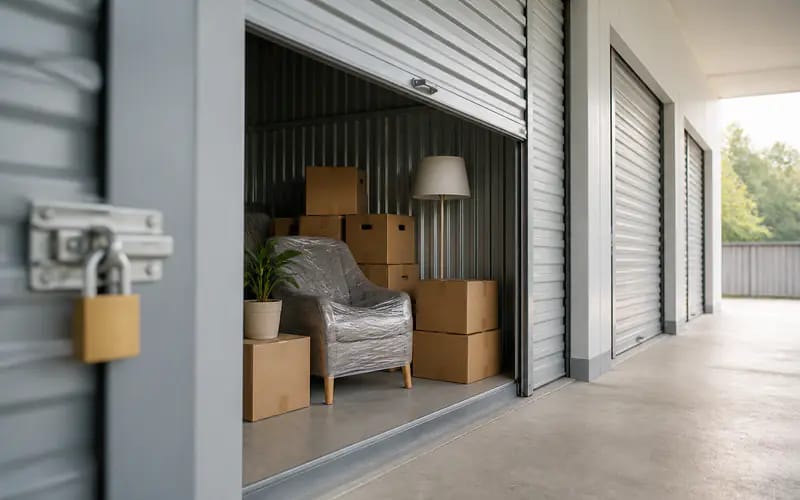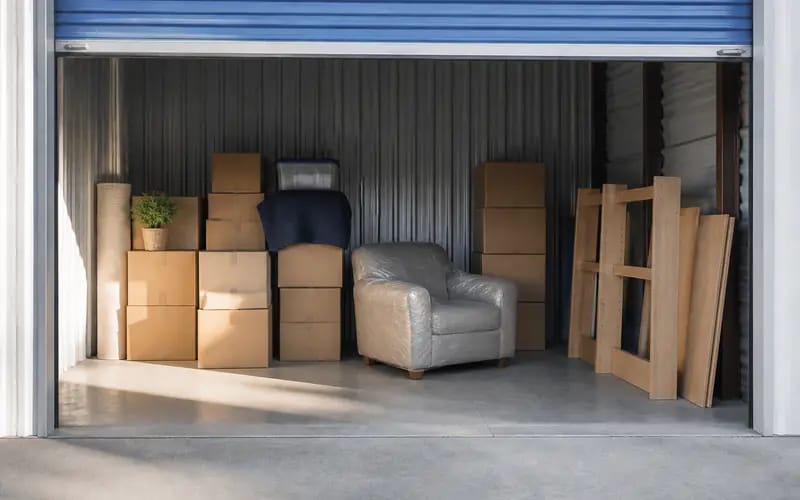
The issues surrounding insurance for your belongings in storage can surprise many people. In most cases, your home insurance won’t cover your contents in storage, and you will need a separate policy.
Check Your Home Contents Policy First
As with anything, it is always best to check with your current provider. The chances are that your home contents policy will provide little or no cover for your goods in storage. Some insurers offer additional cover for goods in storage, however this is usually provided on a limited basis and capped at a percentage of the sum insured for your home. As with anything, it is always best to check the fine print and call your insurer to confirm.
Understand What Dedicated Storage Cover Includes
When you put your storage in hand with a specific storage insurance policy, you can rest assured that you and your goods are protected from the most common causes of damage to goods in storage, such as fire, flood, theft and water damage. Many policies will also provide cover for accidental damage during the move into storage and/or out of storage. Storage insurance is usually written on a valuations basis, meaning that you pay for the insurance in proportion to the value of the goods that you are storing.
Know the Common Exclusions
Many types of items are excluded from storage insurance in almost every policy, even if they have been declared. These include items of cash, jewellery, important documents and vehicles. Even if a policy does include some of these items for storage, it’s often with very low limits of cover. Items that you want to store of high value and which are excluded from storage insurance, are best stored at home and protected by your home contents insurance policy.
Work Out Your Cover Level Properly
Don’t guess at the amount of insurance you need – go through the items you have in storage and estimate their replacement value. This is usually greater than the original purchase price and far more than the items would fetch in a second-hand shop. A three-piece suite, plus a collection of kitchen items and a large chest of drawers could total up to a few thousand of pounds of replacement value. The best way to work out the total is to make a rough inventory as you pack the items, room by room. If you are looking for Self Storage Swindon, see Anchor Self Storage Swindon.
Facility Insurance or Your Own Policy
The storage provider’s insurance is usually offered as part of the contract for the storage facility itself. It is written with the specific risks that the storage facility poses in mind. In some cases it is possible to get your own insurance cover for your stored goods for a lower premium, but this has to be weighed up against the extra administration and hassle that you have to go through to get it. The policy has to cover the goods in storage and specifically mention storage as a use of the policy and not just as contents.
What to Check in the Contract
This is how storage contracts relate to storage insurance. All storage providers view insurance as a condition of their contract to let you a storage unit. You will be required to confirm that you have adequate cover in place prior to being granted access to your storage unit. Please ensure that you check out the minimum sum insured for storage in the terms & conditions for your storage contract. This will highlight any potential surprises as to the amount that you must insure for, even if you believe that you are only storing low value goods.
How Contents Insurance Gaps Usually Show Up
There is, however, very useful general information about how home contents insurance typically covers belongings outside of the home owner’s principal place of residence. Government-approved guidance explains how typical home contents insurance cover is provided for storage and for moveable items such as caravans, boats, etc., in particular for named locations and against specific risks typically not covered under the home owner’s standard home contents policy.
Keep Evidence From the Start
Even when a claim does happen, keeping evidence from the moment you moved into your storage facility can mean the claim is processed a lot more quickly. It’s also useful to keep evidence of the ownership of items and their value. Often, when making a claim, the insurer will ask for proof of these. It’s easy to keep evidence of the items you are storing by taking photos of them as you pack them and keeping receipts for expensive items. It’s also worth keeping an inventory of the items you are storing and their value.
Covering your storage needs before you move them into a storage unit can take a little time to organise but is far better to set up before any problems occur.