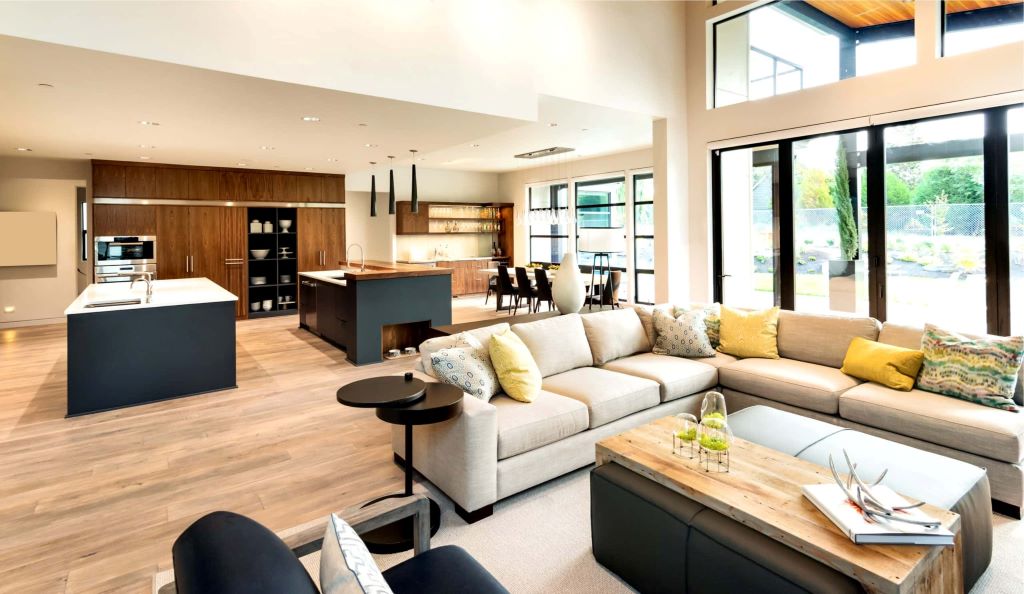
Imagine moving into your dream home only to discover the kitchen workflow disrupts meal prep, the master bedroom gets morning sun glare, or the laundry room is inconveniently located. These oversights cost homeowners thousands in renovations—and countless daily frustrations. The National Association of Home Builders reports that 63% of new homeowners regret at least one aspect of their home’s layout within the first year. The difference between a home that works for you and one that works against you? Meticulous functional home planning before the first nail is hammered.
This isn’t just about drawing floor plans or picking finishes. It’s about designing your daily life. From the flow between spaces to the placement of electrical outlets, every decision impacts how you’ll live in your home for decades. A well-planned home anticipates your needs, adapts to your lifestyle, and even increases in value over time. Whether you’re building a starter home or a forever residence, these principles will help you create a space that’s as practical as it is beautiful. You’ll learn how top architects approach house design planning, which layout mistakes to avoid, and how to future-proof your home for changing needs.
The High Cost of Poor Home Layout Planning
Bad design decisions haunt homeowners long after construction. The average family spends $15,000 on renovations within the first five years of homeownership, with 40% of those costs going toward fixing layout issues (Houzz). A kitchen island placed too close to the range creates a traffic jam. Bedrooms without proper soundproofing disrupt sleep. Bathrooms with poor ventilation develop mold. These aren’t just inconveniences—they’re expensive problems that could have been prevented with better functional home planning.
Energy efficiency suffers in poorly designed homes too. The U.S. Department of Energy estimates that proper orientation and window placement can reduce heating and cooling costs by up to 30%. Yet many homeowners overlook these details during the planning phase, only to pay higher utility bills for the life of the home. Smart house design planning considers sun exposure, prevailing winds, and local climate to create naturally comfortable spaces.
Resale value takes a hit when functionality falters. Homes with awkward layouts sell for 5-10% less than comparable properties with thoughtful designs (National Association of Realtors). A split-level home might seem trendy now, but if it doesn’t suit most buyers’ lifestyles, you’ll pay the price when it’s time to sell. The most valuable homes anticipate universal needs while accommodating personal preferences.
5 Non-Negotiable Principles of Functional Home Planning
1. Design for Your Daily Routines
Map out how you live before designing spaces. Track your morning routine, cooking habits, and evening wind-down rituals. A coffee lover needs a dedicated station near the kitchen. A work-from-home professional requires a quiet office with proper lighting. Families with young children benefit from open sightlines between living areas.
Create a “day in the life” flowchart that shows movement between spaces. This reveals where to place doors, windows, and storage. For example, if you carry groceries from the garage to the kitchen, ensure that path is unobstructed and well-lit. Think about traffic patterns: The route from the master bedroom to the kitchen should avoid high-traffic areas to prevent morning congestion.
2. Prioritize Flexible Spaces
Rooms with single purposes become obsolete as your life changes. Instead, design multi-functional areas:
- A guest room that doubles as a home office
- A dining room that converts to a homework space
- A mudroom with built-in storage that adapts to seasonal needs
Use movable partitions, pocket doors, or furniture on casters to create adaptable spaces. A great room with defined zones for cooking, dining, and relaxing allows the space to evolve with your needs. Built-in storage with adjustable shelving accommodates changing storage requirements over time.
3. Optimize the Kitchen Work Triangle
The kitchen remains the heart of the home, and its layout dramatically affects functionality. The classic work triangle (sink, stove, refrigerator) should have:
- 4 to 9 feet between each point
- No major traffic flow through the triangle
- Easy access to countertop workspace
Modern kitchens often use a work zone approach instead, with prep, cooking, and cleanup areas. Include a minimum of 36 inches of counter space on either side of the sink and stove. Place the refrigerator near the kitchen entrance for easy grocery unloading. Consider an island with seating that doesn’t interrupt the workflow.
4. Plan for Aging in Place
Even if you’re young and able-bodied now, universal design principles make your home more valuable and livable long-term. Incorporate:
- 36-inch wide doorways and hallways
- Lever-style door handles
- Zero-step entries
- First-floor master suites
- Reinforced bathroom walls for future grab bars
A walk-in shower with a linear drain and no threshold works for all ages and abilities. Wider staircases with handrails on both sides accommodate everyone from children to elderly visitors. These features add minimal cost during construction but become priceless as needs change.
5. Future-Proof Your Technology Infrastructure
Today’s smart homes require robust wiring and networking. Install:
- Conduit for future wiring needs
- Structured media panels for organized connections
- Extra electrical outlets in every room
- USB charging ports in key locations
- Whole-home Wi-Fi with access points
Run wiring for home automation systems even if you don’t plan to install them immediately. Include wiring for security cameras, smart lighting, and audio systems. A centralized “smart panel” makes future upgrades easier and keeps your home current as technology evolves.
Step-by-Step Guide to Planning Your Functional Home
Step 1: Define Your Must-Haves and Nice-to-Haves
Create two lists before meeting with your architect:
Must-Haves:
- Number of bedrooms and bathrooms
- Open concept or defined rooms
- Storage requirements
- Outdoor living spaces
Nice-to-Haves:
- Home theater
- Wine cellar
- Exercise room
- Guest suite
This exercise helps prioritize your budget and square footage. Remember that every additional square foot adds $100-$200 to your construction cost, so allocate space wisely.
Step 2: Analyze Your Site’s Opportunities and Constraints
Evaluate your property’s:
- Topography (slopes, views)
- Sun exposure (south-facing windows for passive solar)
- Prevailing winds (for natural ventilation)
- Soil conditions (for foundation and drainage)
- Local zoning restrictions
A south-facing home maximizes natural light and passive solar heating. Place garages and utility spaces on the north side to buffer cold winds. Consider how the home’s orientation affects outdoor living spaces—patios on the west side get intense afternoon sun, while east-facing decks enjoy gentle morning light.
Step 3: Develop a Bubble Diagram
Before creating formal plans, sketch a bubble diagram showing:
- Room relationships (master suite near laundry)
- Traffic flow (minimizing hallway space)
- Outdoor connections (patio access from living areas)
- Privacy needs (bedrooms away from street noise)
This exercise reveals the most efficient layout. For example, placing the laundry room near bedrooms reduces steps when carrying baskets. Locating the powder room near the entry but not adjacent to living areas maintains privacy for guests.
Step 4: Create a Detailed Room-by-Room Plan
For each space, specify:
- Dimensions: Minimum sizes for functionality
- Storage needs: Closets, cabinets, built-ins
- Lighting requirements: Natural and artificial
- Special features: Fireplaces, built-in seating, etc.
Standard minimum dimensions:
- Master bedroom: 14×16 feet
- Secondary bedrooms: 10×12 feet
- Living room: 16×18 feet
- Kitchen: 12×12 feet (plus island space)
- Bathrooms: 5×8 feet (full), 3×6 feet (half)
Step 5: Plan for Storage Throughout
Incorporate storage in every room:
- Kitchen: Pantry, appliance garage, pull-out shelves
- Bedrooms: Walk-in closets with organizers
- Living areas: Built-in shelving, media consoles
- Entry: Mudroom with cubbies and bench
- Garage: Overhead racks and wall systems
Aim for at least 10% of your home’s square footage dedicated to storage. Include a “drop zone” near the entry for keys, bags, and daily essentials. Design closets with adjustable shelving to accommodate changing needs.
Step 6: Design for Natural Light and Views
Place windows to:
- Maximize morning light in kitchens and breakfast nooks
- Provide afternoon light in living areas
- Offer privacy in bedrooms and bathrooms
- Frame outdoor views from main living spaces
Consider window treatments in your planning. Motorized shades in living areas allow light control without obstructing views. Skylights in hallways or bathrooms bring natural light to interior spaces.
Step 7: Select Finishes That Balance Aesthetics and Durability
Choose materials based on:
- Traffic levels: Porcelain tile for high-traffic areas
- Maintenance: Quartz countertops for easy cleaning
- Longevity: Hardwood floors that can be refinished
- Local climate: Exterior materials that withstand your weather
For example, in humid climates, choose moisture-resistant materials like cement board for bathrooms. In cold regions, opt for radiant floor heating in bathrooms and entryways.
Step 8: Plan Your Outdoor Living Spaces
Extend your living area outside with:
- Covered patios with ceiling fans and lighting
- Outdoor kitchens with grills and refrigerators
- Fire pits or fireplaces for year-round use
- Landscaping that provides privacy and beauty
Include electrical outlets and plumbing stubs for future outdoor features. A sloped site might accommodate a walk-out basement with patio access.
Step 9: Review Mechanical Systems for Efficiency
Work with your architect to:
- Place HVAC systems for optimal airflow
- Design plumbing for minimal pipe runs
- Locate the water heater near high-use areas
- Plan for solar panel installation
A central utility room simplifies maintenance and reduces noise in living areas. Consider a tankless water heater for endless hot water and space savings.
Step 10: Create a Phased Construction Plan
If budget is a concern, plan for:
- Phase 1: Essential living spaces
- Phase 2: Outdoor living and finishes
- Phase 3: Specialty rooms and upgrades
This approach allows you to move in sooner while completing the home over time. Include the infrastructure for future phases during initial construction to avoid costly retrofits.
House Design Planning: What the Pros Always Include
The Mudroom You Didn’t Know You Needed
A well-designed mudroom prevents clutter from spreading through the house. Include:
- Built-in benches with storage underneath
- Individual cubbies for each family member
- Hooks at varying heights
- A sink or pet-washing station
- Durable, easy-to-clean flooring
Place it near the most-used entry, with direct access to the laundry room.
The Hidden Pantry That Changes Everything
Walk-in pantries with:
- Adjustable shelving
- Pull-out baskets for produce
- Small appliance storage
- A secondary prep sink
- Counter space for unpacking groceries
Locate it adjacent to the kitchen but out of the main workflow.
The Master Suite That Feels Like a Retreat
Incorporate:
- A sitting area with natural light
- His-and-her closets with island storage
- A spa-like bathroom with soaking tub
- Direct access to the laundry room
- Soundproofing for privacy
Place the suite away from high-traffic areas, preferably with views of private outdoor space.
The Home Office That Actually Works
Design for productivity with:
- Natural light without glare
- Built-in storage for files and equipment
- Soundproofing for calls
- Separate entrance for clients (if needed)
- Proper ventilation for long hours
Locate it near the front of the house for privacy, but with easy access to the kitchen for breaks.
The Laundry Room That Makes Chores Easier
Include:
- Side-by-side washer and dryer with counter space
- Sink for hand-washing and stain treatment
- Drying racks and ironing station
- Storage for detergents and supplies
- Space for folding and sorting
Place it near bedrooms to minimize carrying laundry through the house.
Common Home Layout Mistakes (And How to Avoid Them)
Mistake 1: Overlooking the Entry Experience
A cramped or poorly lit entry makes a bad first impression. Include a proper foyer with space for greeting guests and removing shoes.
Mistake 2: Creating Awkward Traffic Patterns
Avoid having doors open into each other or forcing people to walk through one room to reach another. Use hallways or open sightlines to create smooth flow.
Mistake 3: Skimping on Storage
Inadequate storage leads to clutter. Include built-ins everywhere possible, from window seats with storage to under-stair drawers.
Mistake 4: Ignoring Outdoor Connections
Every main living space should have easy access to outdoor areas. Sliding or French doors create seamless indoor-outdoor living.
Mistake 5: Forgetting About Future Needs
Design for flexibility. A home office might become a nursery. A playroom could transition to a media room. Include adaptable spaces and wiring for future technology.
Mistake 6: Poor Kitchen Workflow
Avoid placing the refrigerator too far from the prep area. Ensure the dishwasher is near the sink for easy loading. Include landing space on both sides of the cooktop.
Mistake 7: Inadequate Lighting
Layer ambient, task, and accent lighting in every room. Include dimmers and smart controls for flexibility. Don’t rely solely on overhead fixtures—incorporate floor lamps, sconces, and under-cabinet lighting.
Expert Tips for Functional Home Planning
Tip 1: Use the 3-Foot Rule
Ensure at least 3 feet of clearance in all walkways and around furniture. This accommodates wheelchairs, strollers, and moving large items.
Tip 2: Plan for Furniture Placement
Measure your existing furniture and plan rooms around those dimensions. Include space for future pieces you might want.
Tip 3: Consider the “Aging in Place” Checklist
- Step-free entry
- First-floor master suite
- Wider doorways and hallways
- Lever handles on doors and faucets
- Non-slip flooring
Tip 4: Think About Resale Value
Even if you plan to stay forever, design with broad appeal:
- Neutral color palettes
- Flexible room uses
- Quality materials that last
- Curb appeal that invites
Tip 5: Plan for Technology Integration
- Pre-wire for home automation
- Include conduit for future wiring
- Plan for smart home hubs
- Consider home theater wiring
Tip 6: Don’t Forget the Practical Details
- Enough electrical outlets in every room
- USB charging ports in key locations
- Proper ventilation in bathrooms and kitchens
- Soundproofing between bedrooms and living areas
Tip 7: Test Your Layout in VR
Many architects now offer virtual reality walkthroughs. This lets you experience the space before construction and catch potential issues.
Related Topics:
- How to Draw a Simple Home Floor Plan Without an Architect
-
How to Create the Perfect Home Layout for Comfort and Function
FAQs About Functional Home Planning
1. How much should I budget for home planning before construction?
Expect to spend 5-10% of your total construction budget on planning and design. This includes architect fees, engineering costs, and permits. A well-planned home saves money during construction and adds long-term value.
2. What’s the most important room to get right in home design?
The kitchen remains the heart of the home and the most expensive room to renovate later. Focus on creating an efficient workflow and adequate storage. A poorly designed kitchen can make daily life frustrating and significantly reduce your home’s resale value.
3. How do I balance open concept with privacy needs?
Use strategic placement of partial walls, columns, or furniture to create defined spaces without closing off the area. For example, a kitchen island can separate cooking and living areas while maintaining an open feel. Pocket doors allow you to close off spaces when needed.
4. What are the biggest regrets homeowners have about their home layouts?
The most common regrets include:
- Not enough storage
- Poor kitchen workflow
- Inadequate lighting
- Bedrooms that are too small
- Lack of outdoor living space
5. How can I make my home more energy efficient through planning?
- Orient the home to maximize passive solar heating
- Include proper insulation and air sealing
- Plan for solar panel installation
- Choose energy-efficient windows and doors
- Design the HVAC system for optimal airflow
6. What’s the ideal ratio of living space to storage space?
Aim for at least 10% of your home’s square footage to be dedicated to storage. Well-planned storage makes the living areas feel more spacious and organized. Walk-in closets, built-in shelving, and multi-purpose furniture help maximize storage without sacrificing living space.
7. How do I future-proof my home design?
- Include infrastructure for smart home technology
- Design flexible spaces that can adapt to changing needs
- Use durable, low-maintenance materials
- Plan for aging in place with universal design principles
- Allow for easy updates to finishes and fixtures
Conclusion: Build a Home That Works as Hard as You Do
Functional home planning isn’t about creating a showpiece—it’s about designing a space that supports your life now and adapts to your needs in the future. The most successful homes result from thoughtful consideration of daily routines, smart space utilization, and quality construction. By focusing on these principles, you’ll create a home that’s not just beautiful, but truly livable.
Your action plan:
- Start with a detailed needs assessment of your lifestyle
- Create bubble diagrams to explore layout options
- Consult with professionals to refine your plans
- Incorporate flexibility and universal design principles
- Plan for both current needs and future possibilities
Ready to begin your journey to a perfectly functional home? Start by sketching your ideal floor plan, or consult with an architect to bring your vision to life. The time you invest in planning now will pay dividends in comfort and satisfaction for years to come. What’s the first feature you’ll prioritize in your new home? Share your plans in the comments—or schedule a consultation with our home design experts to create your personalized functional home planning blueprint!
Featured Image Source