Spring in Denver brings a fresh start for outdoor spaces, and homeowners across the city prepare to revive their gardens after months of cold weather. According to the National Gardening Association, nearly 55% of U.S. households participate in gardening activities each year, and spring is the busiest season. Additionally, Denver’s unique climate, with over 300 days of sunshine annually, creates excellent opportunities for garden renewal. While focusing on local tasks, it is also helpful to understand practices like hyacinth maintenance after flowering to maintain plant health. With proper planning, you can transform your yard into a vibrant, thriving space. This checklist will guide you through every essential step for a successful spring garden refresh.
Understanding Denver’s Spring Gardening Climate
Denver’s climate presents both advantages and challenges for homeowners looking to refresh their gardens. The city sits in a semi-arid region with fluctuating spring temperatures, which means gardeners must remain flexible. Late frosts are common, often occurring as late as May, so timing is critical. However, the abundance of sunshine allows plants to grow quickly once conditions stabilize. Because of this, choosing the right plants and scheduling tasks carefully becomes essential. Understanding these conditions helps prevent costly mistakes and ensures healthier plant growth.
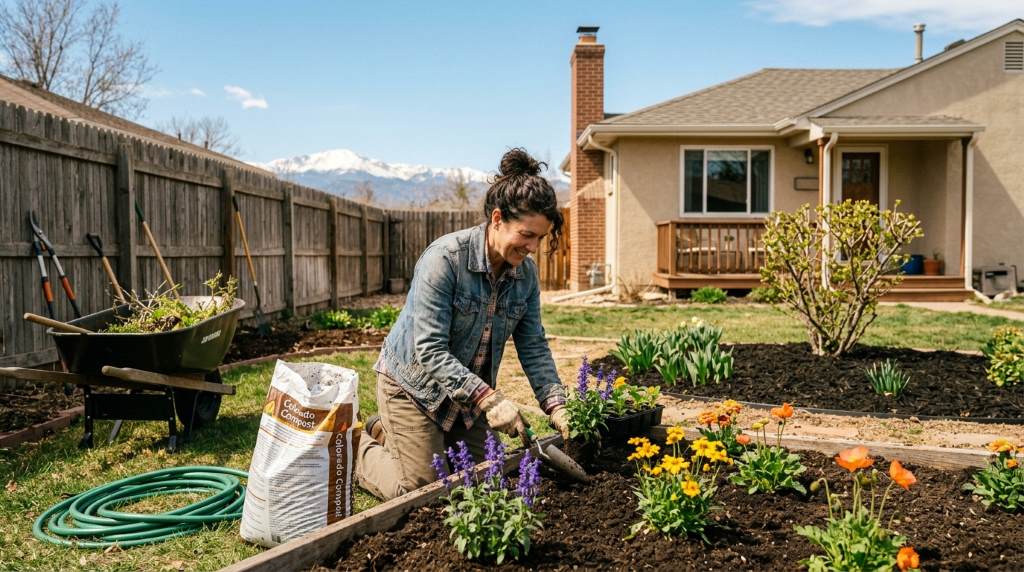
The soil in Denver also plays a major role in gardening success, as it often contains clay and lacks organic matter. Therefore, homeowners should focus on improving soil structure early in the season. Adding compost or organic amendments can significantly boost plant performance. Moreover, proper drainage is essential to avoid root rot during unexpected spring storms. Testing soil pH can further help you tailor your gardening strategy. By addressing soil quality first, you set a strong foundation for the entire season.
Cleaning and Preparing Your Garden Space
Remove Debris and Dead Growth
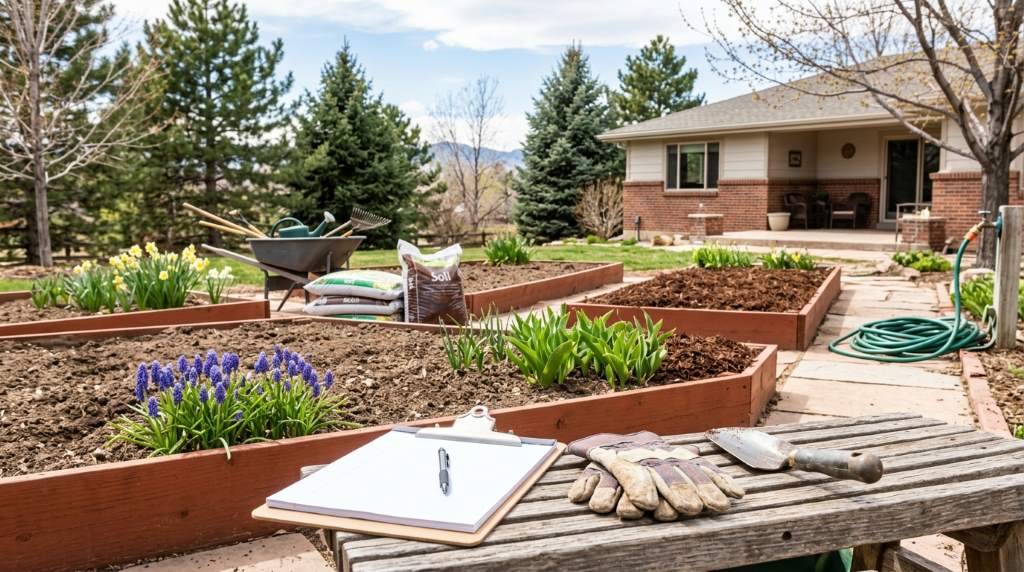
The first step in any spring garden refresh is clearing out debris that accumulated over winter. Leaves, broken branches, and dead plants can block sunlight and harbor pests. Removing these materials improves airflow and reduces disease risks. Additionally, clearing space allows you to inspect your garden more effectively. This process also gives you a chance to identify plants that did not survive winter. Once the area is clean, your garden will feel more organized and ready for new growth.
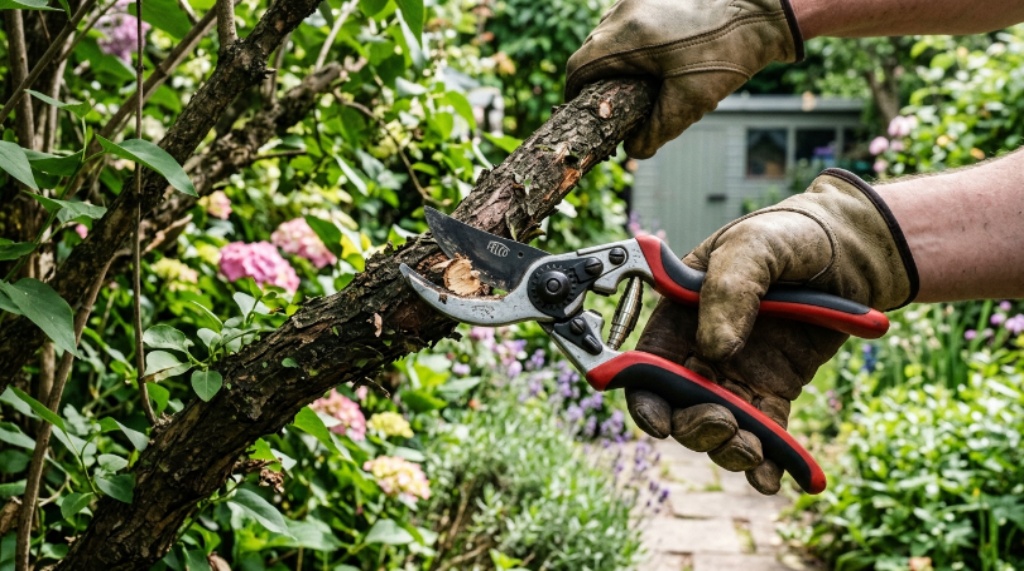
You should also trim back perennials and shrubs that show signs of dormancy. Cutting away dead growth encourages new shoots to emerge faster. However, avoid pruning spring-flowering shrubs too aggressively, as they may already have buds. Using clean, sharp tools ensures precise cuts and reduces plant stress. Furthermore, proper pruning enhances the overall appearance of your garden. This simple step sets the tone for a healthy growing season.
Inspect Garden Structures and Tools
Spring is also the perfect time to check garden structures such as fences, trellises, and raised beds. Winter weather can cause damage that needs repair before planting begins. Fixing these issues early prevents complications later in the season. Moreover, sturdy structures provide better support for climbing plants and vegetables. Taking time to reinforce them ensures long-term durability. This step also improves the overall safety of your outdoor space.
Garden tools should also receive attention during this phase. Clean and sharpen tools to ensure efficient use throughout the season. Rusty or dull tools can harm plants and make gardening more difficult. Additionally, organizing your tools saves time and effort during busy gardening days. Proper maintenance extends the lifespan of your equipment. As a result, you will work more efficiently and achieve better results.
Soil Preparation and Enhancement
Healthy soil is the backbone of any successful garden, especially in Denver’s challenging conditions. Start by loosening compacted soil to improve aeration and root penetration. Adding organic matter such as compost enhances nutrient availability. Additionally, incorporating mulch helps retain moisture in Denver’s dry climate. This combination creates a balanced environment for plant growth. By investing time in soil preparation, you improve your garden’s long-term productivity.
Testing your soil provides valuable insights into nutrient levels and pH balance. Many Denver soils are slightly alkaline, which can affect plant choices. Adjusting soil conditions based on test results ensures better plant performance. Furthermore, targeted fertilization prevents overuse of chemicals. Organic fertilizers are often a safer and more sustainable option. With proper soil management, your plants will thrive throughout the growing season.
Planning Your Garden Layout
Creating a well-organized garden layout is essential for maximizing space and efficiency. Begin by evaluating sunlight patterns in your yard to determine ideal planting spots. Some areas may receive full sun, while others remain partially shaded. Placing plants according to their light requirements ensures optimal growth. Additionally, grouping plants with similar water needs simplifies maintenance. This strategic planning reduces stress on both plants and gardeners.
Consider incorporating both functional and aesthetic elements into your layout. Raised beds, pathways, and decorative borders can enhance visual appeal. Moreover, companion planting can improve plant health and deter pests naturally. Planning ahead also helps you avoid overcrowding as plants mature. This approach creates a balanced and visually pleasing garden. With a clear plan, you can execute your spring refresh more efficiently.
Selecting Plants for Denver’s Climate
Choosing the right plants is crucial for success in Denver’s unpredictable spring weather. Native and drought-tolerant plants often perform best in this environment. Species such as coneflowers, yarrow, and ornamental grasses thrive in local conditions. Additionally, these plants require less water and maintenance. Selecting hardy varieties reduces the risk of failure. This approach ensures a more resilient garden.
Vegetable gardeners should also focus on cold-tolerant crops early in the season. Lettuce, spinach, and peas can handle cooler temperatures and grow quickly. As the season progresses, you can introduce warm-season crops like tomatoes and peppers. Staggering planting times helps maximize yield. Moreover, using frost covers can protect sensitive plants during unexpected cold snaps. This strategy allows you to extend your growing season effectively.
Lawn Care and Revitalization
Denver lawns often suffer from winter stress, making spring care essential for recovery. Start by raking away dead grass and debris to promote new growth. Aerating the soil improves water and nutrient absorption. Additionally, overseeding can fill in bare patches and create a thicker lawn. These steps help restore your lawn’s health and appearance. A well-maintained lawn enhances the overall look of your property.
Proper watering is also critical during the spring months. Denver’s dry climate requires consistent irrigation, but overwatering should be avoided. Water deeply but less frequently to encourage strong root systems. Furthermore, applying a balanced fertilizer supports healthy growth. Timing your lawn care tasks correctly ensures better results. With regular maintenance, your lawn will remain lush throughout the season.
Irrigation System Check
Efficient watering systems are vital for maintaining a healthy garden in Denver’s climate. Begin by inspecting your irrigation system for leaks or damage caused by winter freezing. Repairing issues early prevents water waste and ensures consistent coverage. Additionally, adjusting sprinkler heads improves efficiency. Proper alignment ensures all areas receive adequate moisture. This step is essential for maintaining plant health.
Consider upgrading to a smart irrigation system for better control and efficiency. These systems adjust watering schedules based on weather conditions. As a result, you conserve water while keeping your garden hydrated. Drip irrigation is another effective option for targeted watering. It reduces evaporation and delivers moisture directly to plant roots. Investing in efficient irrigation saves time and resources in the long run.
Mulching and Weed Control
Applying mulch is one of the most effective ways to protect your garden during spring. Mulch helps retain soil moisture, regulate temperature, and suppress weeds. Organic options such as bark or straw also improve soil quality over time. Additionally, mulch enhances the visual appeal of your garden beds. This simple addition provides multiple benefits with minimal effort. It is an essential step in any garden refresh checklist.
Weed control should also be a priority during early spring. Removing weeds before they spread prevents competition for nutrients and water. Hand-pulling or using natural herbicides can be effective methods. Moreover, maintaining a thick layer of mulch reduces weed growth significantly. Regular monitoring ensures weeds do not become a major issue. Staying proactive keeps your garden healthy and manageable.
Pest and Disease Prevention
Spring is the time when pests and diseases begin to emerge, making prevention crucial. Inspect plants regularly for signs of damage or infestation. Early detection allows for quick intervention and reduces long-term impact. Additionally, encouraging beneficial insects can help control pests naturally. Ladybugs and lacewings are excellent allies in maintaining balance. This approach reduces the need for chemical treatments.
Proper plant spacing and airflow also play a role in disease prevention. Overcrowded plants are more susceptible to fungal infections. Watering at the base rather than overhead minimizes moisture on leaves. Furthermore, removing infected plant material prevents the spread of disease. Maintaining cleanliness in your garden supports overall plant health. With consistent care, you can avoid many common problems.
Seasonal Planting Schedule
Timing is everything when it comes to planting in Denver’s climate. Early spring is ideal for hardy plants that can withstand cooler temperatures. As the risk of frost decreases, you can introduce more sensitive varieties. Keeping track of local weather patterns helps you make informed decisions. Additionally, using a planting calendar ensures you stay organized. This structured approach improves your chances of success.
Succession planting is another effective strategy for maximizing yield. By planting crops at different intervals, you can enjoy continuous harvests. This method works well for vegetables like lettuce and radishes. Moreover, rotating crops each season helps maintain soil health. Planning your schedule carefully ensures efficient use of space. With proper timing, your garden will remain productive throughout the year.
Related:
How to Create a Low-Maintenance Garden at Home: Effortless Beauty for Busy Lives
How to Make a Roof Garden: A Complete Step-by-Step Guide
Enhancing Garden Aesthetics
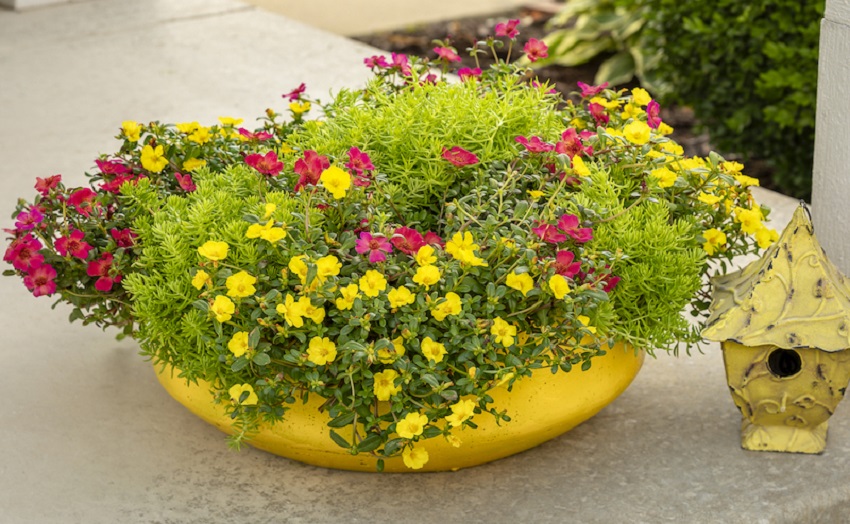
A refreshed garden should not only be functional but also visually appealing. Adding colorful flowers and decorative elements creates an inviting atmosphere. Consider incorporating pathways, lighting, or water features for added interest. Additionally, using containers and vertical gardening techniques can maximize space. These elements enhance both beauty and practicality. A well-designed garden becomes a relaxing retreat.
Color coordination plays a significant role in garden design. Choosing complementary plant colors creates a harmonious look. Mixing textures and heights adds depth and dimension. Furthermore, seasonal blooms ensure your garden remains vibrant throughout the year. Paying attention to design details elevates your outdoor space. With thoughtful planning, you can achieve a stunning garden transformation.
Conclusion
Refreshing your garden in spring requires careful planning, consistent effort, and attention to detail, especially in Denver’s unique climate. By following this checklist, you can create a thriving outdoor space that enhances your home’s value and enjoyment. Each step, from soil preparation to plant selection, plays a vital role in overall success. Moreover, staying proactive helps you address challenges before they become major issues. Take the time to invest in your garden now, and you will enjoy the benefits all season long. Start your spring garden refresh today and turn your yard into a beautiful, productive space.
FAQs
What is the best time to start spring gardening in Denver?
The best time is typically late April to early May after the risk of frost decreases.
How often should I water my garden in Denver?
Water deeply 2–3 times per week depending on weather conditions and soil type.
Which plants grow best in Denver’s climate?
Native and drought-tolerant plants like coneflowers and yarrow perform well.
How can I improve Denver’s clay soil?
Add compost and organic matter to improve drainage and nutrient content.
Do I need mulch in my garden?
Yes, mulch helps retain moisture, control weeds, and regulate soil temperature.