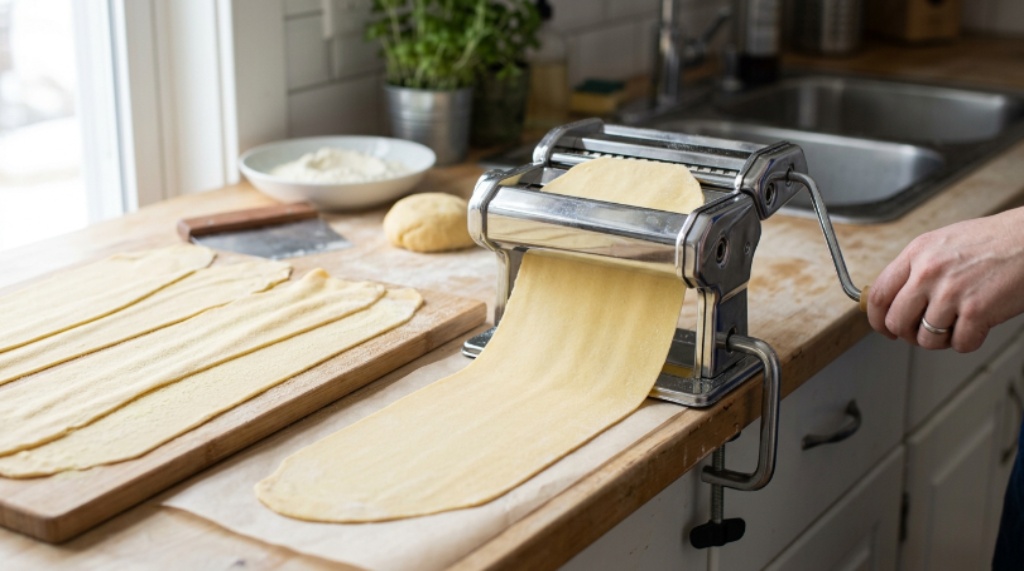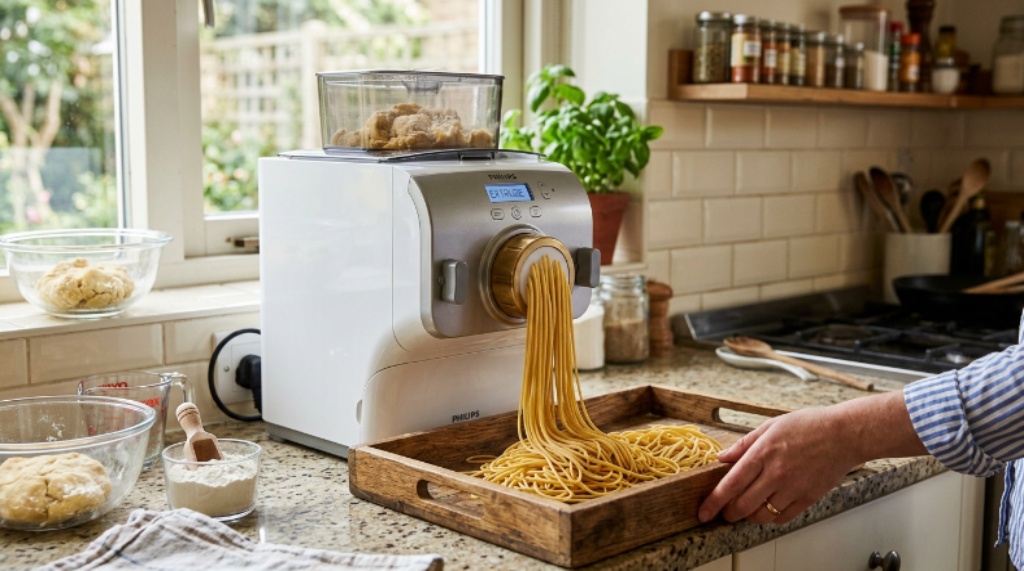
Fresh homemade pasta tastes better than anything from a box. However, many people assume making it at home requires expensive equipment or a large kitchen. Neither is true. Today, you can find a reliable electric pasta maker that fits a compact countertop and a modest budget.
Choosing the right one takes a little know-how. There are dozens of models available, and not all of them deliver on their promises. This guide cuts through the noise. It explains exactly what to look for so you can invest wisely and enjoy fresh pasta without stress or overspending.
Why an Electric Pasta Maker Makes Sense for Small Kitchens
Manual pasta machines have been around for generations. They work well, but they require significant counter space, physical effort, and time. Electric models change the equation entirely.
A quality electric pasta maker automates the mixing, kneading, and extruding process. You add your ingredients, press a button, and fresh pasta is ready in minutes. Additionally, compact electric models are specifically designed with smaller kitchens in mind. Many are no larger than a standard bread maker, making storage easy even when space is limited.
For anyone who loves pasta but lives in a studio apartment or a home with a small kitchen, an electric model is a practical and satisfying solution. You get consistent results every time without sacrificing precious counter space.
Understanding the Key Features to Look For
Not every electric pasta maker is built the same way. Before you spend your money, it is important to understand which features genuinely matter and which ones are simply marketing noise.
Motor Power and Speed
The motor is the heart of any electric pasta maker. A motor with at least 150 watts is enough for most home cooks. However, if you plan to make pasta frequently or in larger batches, look for something closer to 200 watts or more. A stronger motor handles thicker doughs and runs more quietly over time.
Speed settings also matter. Some machines operate at a single fixed speed, while others offer multiple settings. Variable speed gives you more control, especially when working with delicate doughs like egg pasta or gluten-free blends.
Die Variety and Pasta Shapes
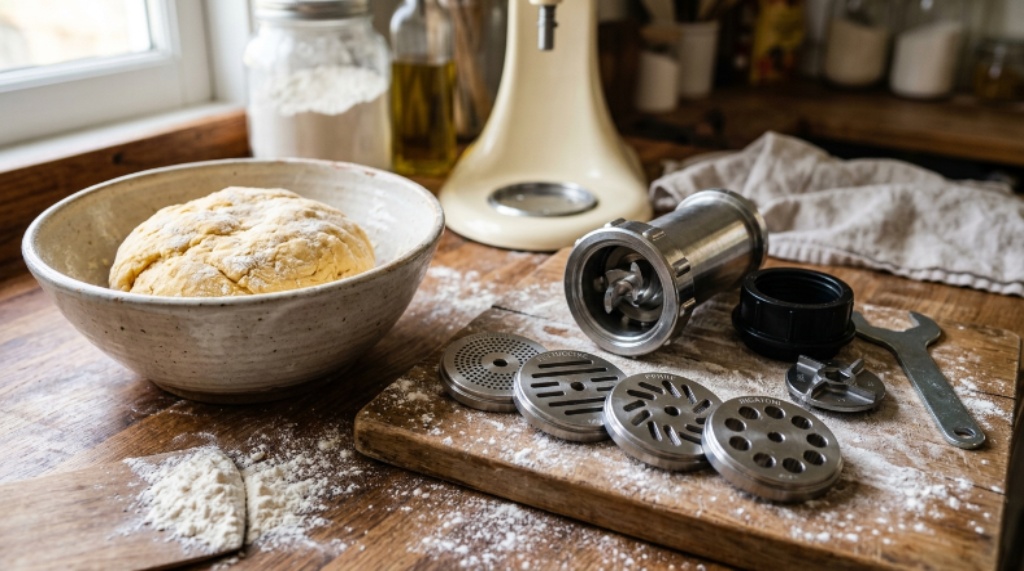
The dies, or shaping discs, determine which types of pasta you can make. Most entry-level machines include between four and eight dies. Common shapes include spaghetti, fettuccine, penne, and lasagne sheets. Some machines include a tagliatelle or angel hair die as well.
Think about the pasta shapes your household uses most. If you regularly cook rigatoni, bucatini, or specialty shapes, look for a machine that offers a wider die selection or sells additional dies separately. Therefore, you get long-term flexibility without buying a second appliance.
Ease of Cleaning
Cleaning is often the most overlooked factor when choosing a home pasta appliance. Electric pasta makers should never be submerged in water. Instead, most require you to run dry flour through the machine after use and then clean the dies with a small brush or toothpick.
Machines with removable, dishwasher-safe dies are significantly easier to maintain. Additionally, a wider hopper opening makes it easier to load dough without spilling flour across your counter. Always check the cleaning process before purchasing, especially if you plan to make pasta several times a week.
Hopper Capacity
The hopper is the chamber where you load your ingredients. Capacity varies between models and determines how much pasta you can make in a single batch. For one or two people, a 200-gram capacity is usually enough. For families or those who like to make pasta in bulk for freezing, look for a hopper that holds 300 grams or more.
Some machines mix the dough inside the hopper automatically. Others require you to mix the dough yourself and then feed it into the machine. Fully automatic mixing is more convenient, but it does add to the cost. Therefore, decide how much convenience you genuinely need before you set your budget.
How to Spot a Good Budget Pasta Machine
Finding a budget pasta machine that performs well is entirely possible. You just need to know what separates a smart buy from a cheap disappointment.
Read customer reviews carefully. Look beyond the star rating and read the detailed comments. Pay attention to feedback about motor longevity, dough consistency, and how the machine holds up after repeated use. Reviews that mention using the machine for six months or more are especially valuable.
Check the warranty. Reputable brands stand behind their products with at least a one-year warranty. A machine with no warranty or a very short guarantee period is a sign that the manufacturer does not have full confidence in the product. Additionally, check whether spare parts like dies and cleaning brushes are available to purchase separately. This extends the life of your machine considerably.
Avoid machines made entirely of lightweight plastic. While some plastic components are acceptable, the main body and motor housing should feel solid and well-constructed. A machine that wobbles or rattles during operation will not last long no matter how affordable it seems.
What to Expect in Different Price Ranges
Electric pasta makers span a wide price range. Understanding what each tier typically offers helps you match your expectations to your budget.
Entry-Level Options (Under $80)
At this price point, you will find basic machines with four to six dies and a fixed-speed motor. These are ideal for beginners or occasional pasta makers. A cheap automatic pasta maker in this range can still produce excellent results as long as you use the correct dough consistency and follow the manufacturer’s instructions.
The trade-off is usually build quality and noise level. Entry-level machines tend to be louder and may not handle very stiff doughs as smoothly. However, for simple recipes like spaghetti or fettuccine, they perform admirably well.
Mid-Range Options ($80 to $150)
This is the sweet spot for most home cooks. Mid-range machines typically offer stronger motors, more die variety, and better build quality. Many include automatic mixing, which saves significant time and effort.
At this price range, you also tend to get better customer support and longer warranties. Additionally, the machines in this tier are usually quieter and more consistent in their output. For anyone who plans to use their pasta maker regularly, spending a little more here is a worthwhile investment.
Higher-End Consumer Models ($150 and Above)
These machines offer the most power, the most die options, and the best build quality available outside of commercial equipment. They are a good fit for enthusiastic home cooks who make pasta several times a week or experiment with specialty recipes.
However, for small kitchens on a tight budget, these are not necessary. The mid-range options deliver excellent pasta without the premium price tag.
Practical Tips for Using an Electric Pasta Maker in a Small Kitchen
Even the best machine requires good habits to get the most out of it. These practical tips make a real difference in a compact space.
- Measure your ingredients precisely. Electric pasta makers are sensitive to dough hydration levels. Too much water and the dough sticks. Too little and the machine struggles to extrude.
- Use semolina flour for better results. It produces firmer pasta that holds its shape well after cooking.
- Let the machine warm up for two minutes before adding dough. This helps the motor reach a stable operating temperature.
- Place a small tray or cutting board under the extrusion point to catch pasta as it comes out.
- Store your dies in a labeled container. Keeping them organized saves time and prevents damage.
Additionally, always read the instruction manual before your first use. Every machine has specific dough ratios and operating procedures. Following them closely from the start prevents wasted ingredients and unnecessary frustration.
Conclusion
Choosing an affordable electric pasta maker for a small kitchen does not require compromising on quality or results. The key is knowing what features matter most, understanding what different price ranges offer, and reading real customer feedback before buying.
Focus on motor power, die variety, cleaning ease, and hopper capacity. Look for a machine with a solid warranty and available spare parts. Whether you choose an entry-level model or a mid-range option, a well-chosen home pasta appliance will reward you with fresh, delicious pasta for years to come.
Fresh pasta at home is simpler than most people think. With the right machine and a little practice, it quickly becomes one of the most satisfying cooking habits you can build, regardless of how small your kitchen may be.
Frequently Asked Questions
Can I make gluten-free pasta with an electric pasta maker?
Yes, many electric pasta makers can handle gluten-free dough. However, gluten-free dough behaves differently from wheat-based dough. It tends to be stickier and requires careful hydration control. Check the manufacturer’s guidelines for gluten-free use before purchasing.
How long does it take to make pasta with an electric machine?
Most electric pasta makers produce fresh pasta in 10 to 15 minutes from start to finish. Machines with automatic mixing are faster. Manual-load models take a little longer since you prepare the dough separately before feeding it into the machine.
How do I clean an electric pasta maker properly?
Never submerge an electric pasta maker in water. After use, run a small amount of dry flour through the machine to clear remaining dough. Use the included brush or a toothpick to clean the dies. If the dies are dishwasher safe, remove them and wash them separately.
What types of flour work best in an electric pasta maker?
Semolina flour and 00 flour are the most popular choices. Semolina produces firm, textured pasta that holds sauces well. 00 flour creates a smoother, silkier dough that works beautifully for egg-based pasta like tagliatelle. Many recipes blend the two for balanced results.
Is a more expensive electric pasta maker always better?
Not necessarily. Mid-range machines often deliver excellent performance for regular home use. A higher price usually means more power, more die options, and better build quality, but these benefits only matter if you need them. For occasional pasta making, an affordable model is more than sufficient.