Roof tear offs happen for many reasons, especially in regions facing frequent storms and high humidity. Many homeowners also research manufactured home storm prep because strong weather affects every roofing system. According to industry estimates, asphalt shingles protect nearly 75% of residential roofs, while severe weather causes billions in annual property damage. Understanding why roof tear offs occur helps homeowners make smarter maintenance decisions before costly problems develop.
Weather Conditions Create Constant Roofing Stress
Mobile experiences heavy rainfall, strong winds, and humid weather throughout the year. These conditions gradually weaken roofing materials and shorten their expected service life. Additionally, homeowners who learn about apply RV roof coating often understand how protective coatings reduce moisture damage on exposed surfaces.
Moisture frequently enters small cracks before homeowners notice visible leaks. Consequently, trapped water damages roof decking and weakens structural support. Professional inspections often reveal hidden deterioration beneath seemingly healthy shingles.
Wind Damage Builds Over Time
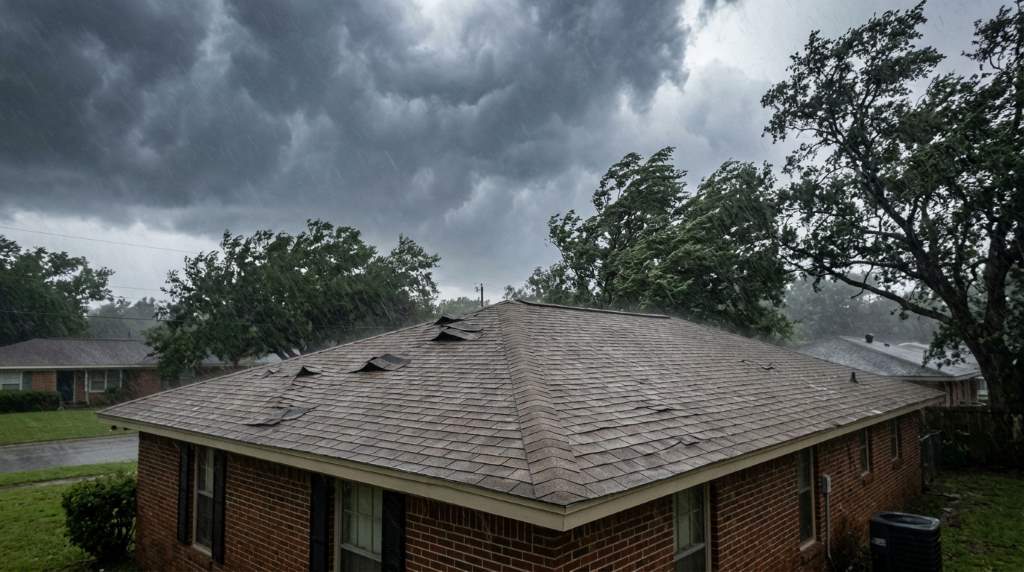
Strong wind gusts loosen shingle edges and remove protective granules from roofing materials. Afterwards, exposed shingles become vulnerable to additional weather damage. Repeated storms gradually increase repair costs until replacement becomes necessary.
Humidity Accelerates Material Breakdown
Persistent humidity encourages mould, mildew, and wood decay beneath roofing systems. Furthermore, damp insulation loses effectiveness and increases indoor moisture problems. These conditions eventually require complete roof removal before installing new materials.
Old Roofing Materials Reach Their Service Limits
Every roofing material has a practical lifespan regardless of maintenance quality. Asphalt shingles generally last between twenty and thirty years under normal conditions. However, harsh weather often reduces expected performance significantly.
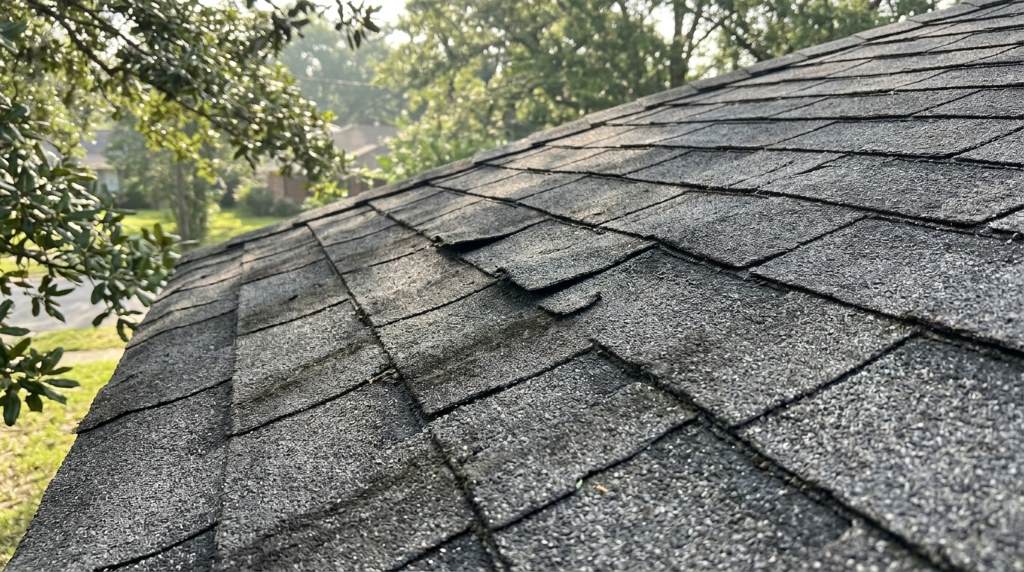
Older roofs develop curling shingles, cracked sealants, and brittle surfaces. Therefore, repairs become less effective because surrounding materials continue failing. Contractors often recommend complete tear offs instead of repeated patchwork repairs.
Layered Roofing Causes Hidden Problems
Some homes contain multiple roofing layers from previous renovations. Extra layers increase structural weight and hide damaged decking beneath old shingles. Complete removal allows contractors to inspect every supporting component carefully.
Structural Damage Requires Complete Removal
Roof decking supports every roofing component above the home. Water intrusion weakens wooden panels until structural integrity becomes compromised. Moreover, understanding roofers pay more for insurance highlights the risks professionals face during structural repairs.
Contractors inspect decking before installing replacement roofing materials. Damaged boards cannot safely support new shingles without repairs. Consequently, tear offs become essential for long lasting roof performance.
Hidden Rot Becomes Expensive
Rot often spreads beneath waterproof barriers without obvious exterior signs. Therefore, homeowners sometimes discover extensive structural damage during replacement projects. Early inspections help reduce unexpected repair expenses.
Building Codes Influence Roof Replacement Decisions
Modern building codes establish safety standards for residential roofing installations. Local regulations sometimes prohibit adding another roofing layer over damaged materials. Complete tear offs help contractors meet current installation requirements successfully.
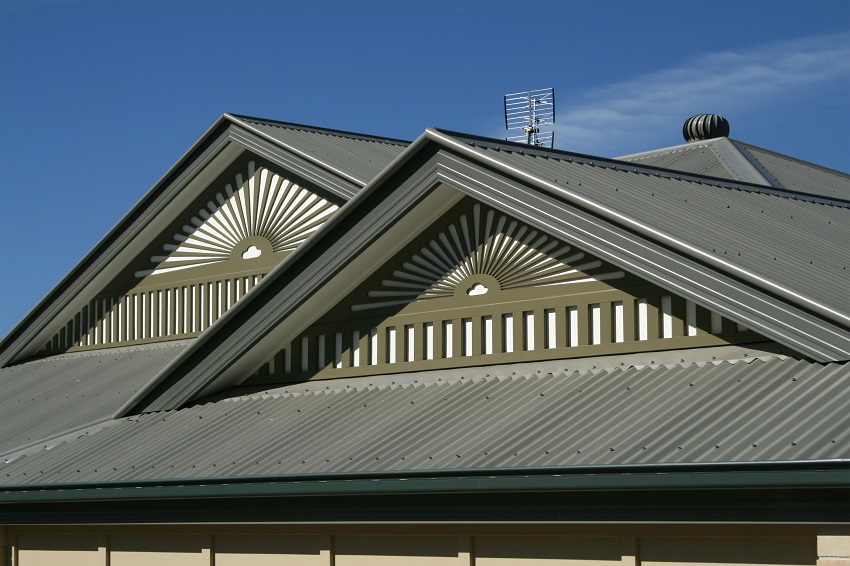
Updated codes also improve wind resistance and weather performance standards. Additionally, homeowners exploring gable roof types often discover how roof design influences durability. Compliance improves long term protection while supporting property value.
Insurance Requirements Matter
Insurance providers may request complete replacements after significant storm damage. Full tear offs allow accurate inspections before approving new roofing systems. Meeting policy requirements also simplifies future claims.
Signs Your Roof May Need a Tear Off
Several warning signs indicate deeper roofing problems beneath visible surfaces. Early action often prevents structural damage and costly emergency repairs. Regular inspections provide valuable information before severe failures occur.
- Multiple missing or curling shingles.
- Recurring roof leaks after repairs.
- Visible sagging roof sections.
- Dark stains inside attic spaces.
- Soft or spongy roof decking.
- Extensive granule loss in gutters.
How Professionals Decide Between Repair and Tear Off
Experienced contractors evaluate roof age, structural condition, and previous repairs before making recommendations. They inspect flashing, decking, ventilation, and moisture levels carefully. This complete assessment supports practical replacement decisions.
Small isolated damage usually responds well to targeted repairs. However, widespread deterioration often makes replacement more economical over time. Investing wisely reduces future maintenance costs and unexpected failures.
Inspection Checklist
- Roof decking condition.
- Attic ventilation quality.
- Moisture intrusion evidence.
- Flashing performance.
- Shingle attachment strength.
- Structural framing stability.
Ways to Reduce the Risk of Future Tear Offs
Preventive maintenance extends roofing life and lowers replacement expenses. Routine inspections identify small issues before major structural damage develops. Consistent care protects both the roof and the home’s interior.
Homeowners should schedule inspections after severe storms and heavy rainfall. Cleaning gutters also improves water drainage and reduces moisture buildup. Proper ventilation further protects roofing materials from excessive heat and humidity.
- Inspect the roof twice each year.
- Replace damaged shingles immediately.
- Keep gutters free from debris.
- Trim overhanging tree branches.
- Maintain attic ventilation.
- Address leaks without delay.
Choosing the Right Roofing Contractor
Selecting an experienced contractor greatly influences replacement quality and long term durability. Reputable professionals provide written estimates, explain installation methods, and answer homeowner questions clearly. They also follow local building requirements throughout the project.
Reading customer reviews and verifying licences builds confidence before signing contracts. Comparing multiple estimates also helps homeowners understand pricing and service differences. Careful selection protects both the investment and overall project quality.
Conclusion
Roof tear offs usually result from aging materials, severe weather, moisture damage, structural deterioration, or changing building requirements. Understanding these causes helps homeowners plan maintenance before problems become expensive. Schedule a professional roof inspection today to protect your home, extend roof performance, and make informed replacement decisions.
Frequently Asked Questions
How long does a roof tear off usually take?
Most residential roof tear offs finish within one to three days depending on roof size.
Can a roof always be repaired instead of replaced?
No, widespread structural damage often makes complete replacement the safer solution.
Does moisture always require a complete roof tear off?
No, minor moisture problems may only require repairs if structural damage remains limited.
How often should homeowners inspect their roofs?
Most experts recommend professional inspections at least twice each year and after major storms.
Will a new roof increase home value?
Yes, a well installed new roof often improves property value and buyer confidence.