
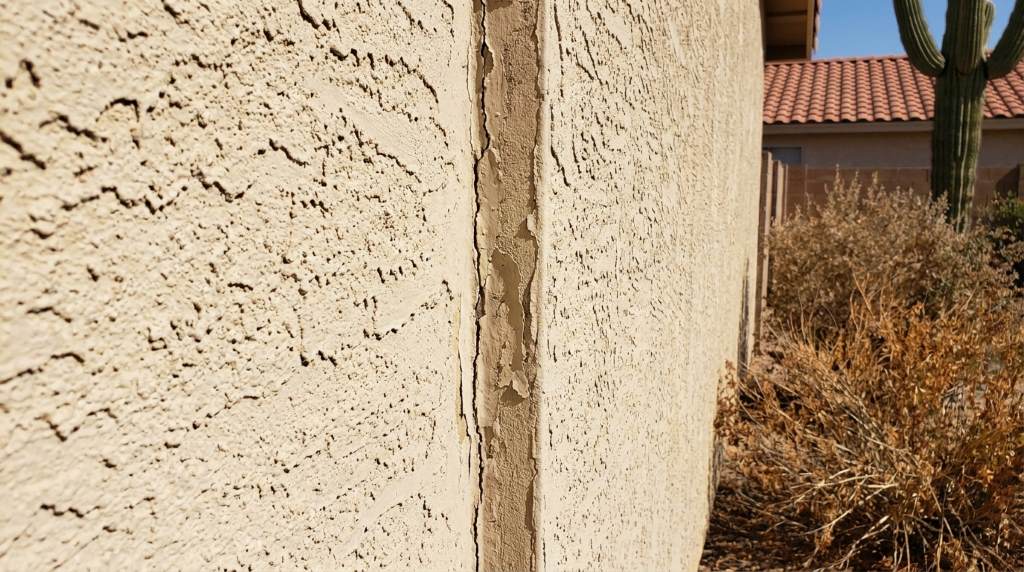
Sun-damaged seams split in Mesa homes because intense UV exposure dries materials while repeated heat cycles create movement. Dark roofing can reach temperatures above 150°F, while reflective roofs can stay over 50°F cooler. Those extremes gradually weaken sealants, membranes, fasteners, and overlapping joints. Therefore, homeowners should inspect seams early and use compatible repair materials, including waterproof mobile home roof sealant when appropriate.
Key Takeaways
- UV radiation gradually breaks down exposed roofing materials and seam sealants.
- Daily heating and cooling cycles repeatedly expand and contract roof components.
- Old, brittle seams can split before homeowners notice interior water stains.
- Improper sealants often fail faster because they cannot handle roof movement.
- Early repairs usually cost less than correcting hidden moisture damage.
- Regular inspections help Mesa homeowners catch seam deterioration before monsoon storms.
How Mesa Sun Attacks Roof Seams
Mesa’s intense sunlight creates a demanding environment for residential roofing systems throughout the year. The sun does not simply heat the roof surface. Instead, ultraviolet radiation gradually changes exposed polymers, coatings, adhesives, and sealants.
Roof seams often contain several materials joined together at one vulnerable location. Consequently, those materials may age at different rates. Once one layer loses flexibility, the entire joint can experience additional stress.
Solar exposure also accelerates surface drying and oxidation. Over time, a flexible seam can become hard, chalky, cracked, or visibly separated. This progression explains why an apparently minor surface defect can become a significant leak pathway.
Heat creates another problem because roof materials expand when temperatures rise. After sunset, those materials contract again as temperatures fall. Repeated movement gradually challenges seams, fasteners, overlaps, and bonded connections.
Dark roofing can intensify this thermal stress because it absorbs substantial solar energy. Research from Lawrence Berkeley National Laboratory found highly absorptive roofs can become dramatically hotter than surrounding air.
For example, studies have recorded roof surfaces approaching 90°F above ambient conditions. Therefore, even a sound seam faces considerable thermal cycling during hot weather.
Homeowners should also consider the combined effect rather than blaming sunlight alone. UV exposure weakens materials, while heat movement repeatedly stresses those weakened areas. Together, these forces can turn aging seams into active failure points.
Why Seams Fail Before Larger Roof Areas
Seams represent transitions between separate roofing sections, materials, or components. Those transitions naturally require more detailing than an uninterrupted roof surface.
Manufacturers design many roofing systems to accommodate movement through flexible membranes, overlaps, adhesives, and sealants. However, aging reduces that flexibility. Eventually, the seam cannot absorb movement as effectively as before.
Improper installation can accelerate this process considerably. For example, insufficient overlap, poor surface preparation, or incompatible sealant can create weak bonding from the beginning.
Roof geometry also influences seam stress. Low-slope areas can retain water longer, while penetrations create additional transitions through the roofing assembly. For broader roof design context, gable roof types colonial can help explain how roof configuration changes weather exposure.
Fasteners create another potential failure location because metal and roofing materials respond differently to temperature changes. That difference can gradually enlarge small gaps around attachments.
Furthermore, previous repairs can introduce another layer of complexity. A new coating may adhere poorly when installers apply it over chalky, contaminated, or incompatible surfaces.
Therefore, homeowners should treat recurring seam failure as a diagnostic warning. Repeated patching may hide the underlying movement or material compatibility problem.
Five Warning Signs of Sun-Damaged Seams
Early detection gives homeowners a valuable advantage because many seam problems develop before obvious interior damage appears. A roof inspection should focus on physical changes rather than appearance alone.
1. Cracking Along the Seam
Fine cracks often appear when an aging sealant loses elasticity. Initially, those cracks may look cosmetic. However, expanding cracks can eventually create direct pathways for rainwater.
Look for cracks that follow seam lines, edges, fasteners, or overlapping membrane sections. Pay particular attention to areas receiving unobstructed afternoon sunlight.
2. Brittle or Chalky Sealant
Healthy flexible sealants generally resist minor movement without crumbling. Conversely, sun-damaged sealant may feel hard, dry, or brittle. A chalky surface can indicate prolonged weathering.
Do not assume another sealant layer will solve the problem. First determine whether the existing material remains firmly bonded to the roofing surface.
3. Lifted Edges
Seam edges may curl upward when adhesives weaken or materials contract unevenly. Wind can then catch the exposed edge and increase separation.
Lifted edges deserve prompt attention because wind and water can exploit even small openings. Delayed repairs can allow moisture beneath the roofing layer.
4. Discoloration Near Interior Ceilings
Interior stains can indicate that a seam has already allowed moisture into the building assembly. However, water does not always appear directly beneath the exterior failure.
Water can travel along framing, insulation, or roof decking before becoming visible indoors. Therefore, interior staining should trigger an exterior inspection.
5. Repeated Repairs in One Location
A seam that repeatedly splits usually signals an unresolved underlying issue. Excessive movement, poor adhesion, trapped moisture, or incompatible products may cause recurrence.
Instead of adding another patch, identify why the repair keeps failing. That approach produces a more durable solution and reduces repeated maintenance.
How Heat, UV, and Monsoon Weather Work Together
Mesa’s dry climate does not eliminate roof moisture risks. Seasonal monsoon storms can deliver intense rainfall after long periods of extreme heat.
That sequence creates a particularly challenging environment for aging seams. A brittle seam may remain unnoticed until sudden rainfall tests its weakened areas.
Temperature changes can also alter the dimensions of connected roofing materials. As components expand and contract, small cracks can gradually become larger openings.
Water then enters through the weakest section and can migrate beneath the visible roofing surface. Building Science Education identifies roof penetrations as especially vulnerable areas requiring careful water control.
Homeowners should therefore inspect seams before the wettest weather arrives. Preventive maintenance works best when the roof remains dry and accessible for proper repairs.
For additional perspective on membrane failures, roof tear offs mobile explains how aging and roofing conditions can contribute to larger system problems.
What Makes a Seam Repair Last Longer?
A durable repair begins with identifying the roofing material and the exact failure mechanism. Do not choose a sealant based solely on its label or color.
First, inspect the surrounding area for loose edges, cracks, corrosion, trapped moisture, and damaged substrate. Then remove failed material according to the roofing manufacturer’s requirements.
Surface preparation matters because dirt, oxidation, moisture, and old residue can prevent proper adhesion. A clean, dry, stable surface gives compatible repair materials a better foundation.
Next, select a product designed for the specific roofing material and expected movement. Compatibility matters because some products can soften, shrink, or lose adhesion when exposed to heat.
Apply repairs according to the manufacturer’s thickness and curing requirements. Rushing the curing process can compromise adhesion and reduce service life.
Also, avoid covering active leaks without investigating their source. A surface patch may temporarily block water while hidden moisture continues damaging the underlying assembly.
Low-slope roofs deserve special attention because drainage problems can keep seams exposed to moisture longer. Understanding low slope roof leaks can provide useful context for diagnosing drainage-related failures.
A Practical Mesa Seam Inspection Routine
Homeowners can perform a basic visual inspection from a safe location without walking across the roof. Use binoculars when roof access requires ladders or steep surfaces.
Start by identifying seams, penetrations, vents, flashing transitions, and exposed fasteners. Then compare heavily sun-exposed sections with shaded areas.
Look for these conditions:
- Cracked or split sealant along seams.
- Peeling or lifted membrane edges.
- Discolored or deteriorated coatings.
- Rust around exposed metal fasteners.
- Standing water or poor drainage patterns.
- Interior stains beneath suspected roof areas.
Photograph suspicious areas from a safe position and record their locations. Comparing those photographs during future inspections can reveal whether deterioration is progressing.
Schedule a professional inspection when damage appears extensive or difficult to access safely. Professionals can investigate concealed moisture and determine whether repair or replacement makes more sense.
When You Should Repair or Replace the Seam
Small, localized defects may respond well to appropriate repairs when the surrounding roofing remains sound. However, widespread deterioration suggests a larger system problem.
Replacement becomes more reasonable when materials have become extensively brittle, detached, or repeatedly failed. Multiple failed repairs can also indicate that the existing roofing system has reached the end of its useful service.
Consider the surrounding substrate as well. A seam repair cannot provide lasting protection when the material underneath has deteriorated significantly.
Likewise, extensive moisture damage can change the repair strategy. Addressing the visible crack without correcting wet insulation or damaged decking may leave the core problem unresolved.
Therefore, the right decision depends on condition, age, material compatibility, moisture exposure, and repair history. A professional assessment can prevent unnecessary replacement while avoiding ineffective patchwork.
How to Reduce Future Sun Damage
Preventing seam failure starts with reducing unnecessary thermal and weather stress. Regular inspections provide the earliest opportunity to address deterioration.
Reflective roofing surfaces can also reduce heat absorption. Research shows cool roofing systems can maintain substantially lower surface temperatures than conventional dark roofs.
However, homeowners should select coatings based on roofing compatibility rather than color alone. The wrong coating can create adhesion problems or interfere with an existing roofing system.
Keep drainage paths clear so stormwater can leave the roof quickly. Also, maintain nearby vegetation and equipment so debris does not accumulate around vulnerable seams.
Finally, document every repair and product used on the roof. That record helps future contractors understand previous treatments and avoid incompatible repair materials.
Why Early Seam Repairs Matter in Mesa
A split seam may look insignificant from the ground, but the opening can expose underlying materials to water. Moisture can then travel beyond the original failure point.
Roof leaks can damage insulation, framing, ceilings, and interior finishes when homeowners delay corrective action. Building science guidance emphasizes that roof water intrusion can cause significant building damage.
Early repairs also help preserve surrounding roofing materials. Fixing one deteriorated seam can prevent water from reaching larger sections of the roof assembly.
Most importantly, early maintenance gives homeowners more repair options. Waiting until widespread damage appears can turn a targeted repair into a much larger project.
Conclusion: Protect Mesa Homes Before Seams Split
Sun damage causes seam failure through a combination of UV degradation, heat expansion, cooling contraction, and material aging. Mesa’s intense solar environment makes those forces especially important for homeowners to monitor.
Inspect exposed seams regularly, repair early deterioration, and use materials compatible with the existing roof system. If you notice recurring splits or interior water stains, contact a qualified roofing professional promptly.
Protect your home before the next major storm tests a weakened seam. A timely inspection can identify small failures before they become expensive moisture problems.
FAQs About Sun-Damaged Seams in Mesa, AZ Homes
Why does sunlight damage roof seams?
UV radiation gradually degrades exposed materials while heat cycles repeatedly stress the seam.
Can extreme heat make sealant split?
Yes, repeated expansion and contraction can stress aging sealants until they crack or separate.
How often should Mesa homeowners inspect roof seams?
Inspect visible seams at least twice yearly and after severe weather or major repair work.
Can I simply apply new sealant over cracked sealant?
Usually, proper preparation requires removing failed material and confirming compatibility before applying new sealant.
When should I call a roofing professional?
Call a professional when seams repeatedly fail, moisture appears indoors, or roof damage extends beyond localized areas.

