You turn on the shower, and the water dribbles out like a tired garden hose. Every tap in the house feels weak, and you are not sure whether the problem is a clogged aerator or something far bigger. If low water pressure in the whole house has become your daily frustration, the source is almost always shared plumbing rather than a single fixture.
Quick answer: When pressure drops everywhere, check the whole system in order: the utility supply, the main shutoff valve, the pressure regulator, the meter, and the pipes. Most whole-house cases trace back to a partly closed valve or a failing pressure regulator. A plumber’s gauge test on an outdoor spigot tells you the actual pressure in minutes.
This guide explains what causes a whole-house drop, why it deserves attention beyond comfort, and the practical steps that restore steady flow. You will finish knowing how to diagnose the problem and when to call a professional.
What is low water pressure in the whole house?
Whole-house low water pressure means the flow is weak at every outlet, not just one. You notice it in the shower, the kitchen tap, and the garden hose at the same time. That pattern matters because a single slow faucet points to that fixture, while a system-wide drop points to the supply line.
Pressure and flow are related but not identical. Pressure is the force pushing water through the pipes, measured in pounds per square inch (psi). Flow is the volume delivered over time, measured in gallons per minute. A house can show decent static pressure on a gauge yet still feel weak because a narrow pipe or clogged filter limits flow.
Typical pressure targets
Most homes run best between 40 and 60 psi. Below roughly 40 psi, showers feel thin, and appliances take longer to fill. Above 80 psi, you risk stress on pipes and fixtures. A pressure gauge that screws onto a hose bib or laundry tap gives a quick reading.
Common signs of a whole-house problem include:
- Weak flow from multiple taps at the same time
- A shower that loses pressure when someone flushes a toilet
- Appliances that take unusually long to fill, such as washing machines
- A water heater that seems slow to deliver hot water to distant taps
- Sputtering or air in the lines after utility work
What causes it
The culprit is usually upstream of your fixtures. A partly closed main valve, a worn pressure regulator, a failing meter, or a mineral-clogged supply line all restrict the whole house. Older galvanized pipes can narrow internally from corrosion, shrinking the passage over decades. Sometimes the utility itself delivers low pressure to the street.
Test pressure at an outdoor spigot closest to the main line. If that reading is low, the problem sits between the street and your house. If it reads normal, look at fixtures and internal piping instead.
The key takeaway: a pattern across every outlet tells you to look upstream, at the main valve, regulator, meter, and service line, before you touch any faucet.
Why low water pressure in the whole house matters
A weak system costs more than discomfort. It changes how you use water, how long daily tasks take, and how hard your appliances work. Over time, those small delays add up to real money and frustration.
Appliance strain is the highest hidden cost. A washing machine or dishwasher that trickles slowly may run longer cycles or fail to fill properly. Water heaters rely on adequate flow to deliver hot water at the right rate. Some tankless units will not fire at all if flow drops below a minimum threshold.
Comfort and daily routine
A weak shower turns a five-minute routine into a ten-minute struggle. Filling a pot for pasta takes twice as long. Gardening becomes a chore when the hose barely reaches the back fence. These annoyances rarely stay small, because the underlying restriction usually worsens without attention.
Warning signs of deeper trouble
Sometimes low pressure is the first symptom of a problem you would rather catch early. A corroding service line, a failing pressure regulator, or a hidden leak can all reduce flow before causing visible damage. A regulator stuck in the open position can send high pressure into your home, stressing joints and fixtures. Ignoring the signal risks a burst pipe or a flooded basement.
A pressure drop that appears overnight, especially with discolored water, can signal a leak or a broken main. Shut off the supply and call a plumber if you suspect either.
Low pressure also affects safety equipment. Fire sprinkler systems and some boiler setups depend on reliable pressure. A home with consistently weak supply deserves a proper inspection rather than guesswork.
The takeaway: treat whole-house pressure loss as a maintenance signal, not just a nuisance. Addressing it protects appliances, plumbing, and your daily routine at once.
Best practices
Restoring strong flow starts with a methodical check from the street inward. Work through the steps below in order, and you will usually find the cause without unnecessary expense.
Step 1: Confirm the pressure with a gauge
Screw a pressure gauge onto a hose bib near the main line. Record the reading. Check it again at a fixture far from the main, such as an upstairs bathroom. A drop between the two points suggests an internal restriction. A low reading at the main points to the supply side.
Step 2: Check the main shutoff and meter valve
A main valve that is only partly open chokes the entire house. Turn it fully counterclockwise and test again. If you have a meter valve at the curb, confirm it is open too. Utility crews sometimes leave these partly closed after repairs.
Step 3: Test the pressure regulator
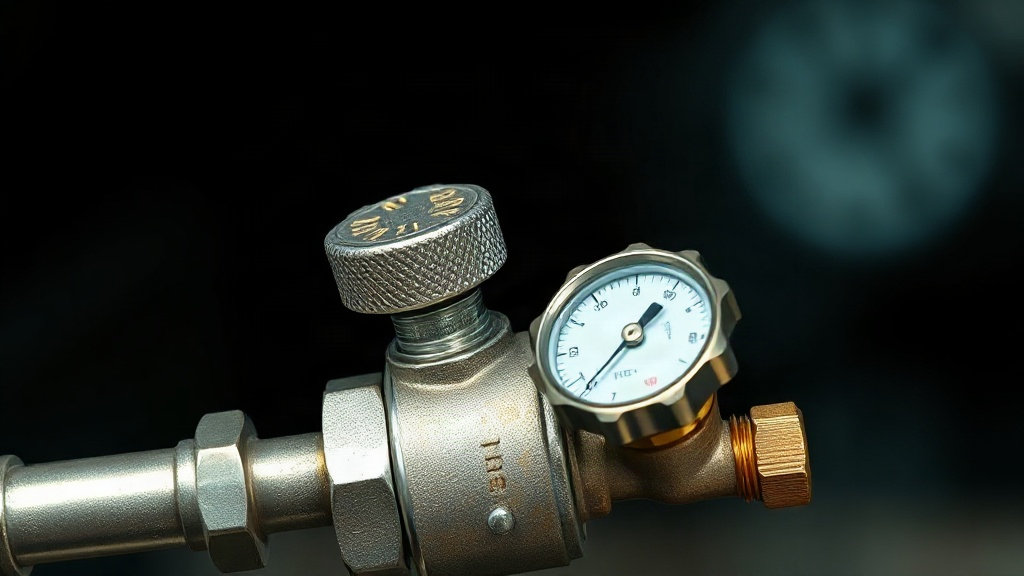
The pressure regulator, usually a bell-shaped device near the main shutoff, caps incoming pressure at a set level. These parts wear out after 10 to 15 years. A regulator that has failed closed will starve the house; one that has failed open can push pressure too high. A plumber can test and replace one in about an hour.
Step 4: Inspect filters and aerators
Sediment filters, whole-house cartridges, and aerators trap debris that reduces flow. Replace cartridge filters on schedule, and clean aerators when individual taps slow down. A clogged filter is one of the cheapest fixes available.
Step 5: Assess the pipes
Older galvanized steel pipes corrode from the inside. If your home still has them, a plumber can scope the line to see how much passage remains. Replacing a corroded service line often restores pressure dramatically.
Keep a simple note of gauge readings and dates. A record of pressure over time helps a plumber spot a slow decline before it becomes an emergency.
The takeaway: measure first, then work upstream to downstream. A gauge reading and a few valve checks solve most whole-house cases without major work.
Common mistakes to avoid
Many homeowners start replacing fixtures when the real problem sits at the main line. That approach wastes money and leaves the actual cause untouched.
Replacing faucets too early. New fixtures will not fix a supply-side restriction. If every tap is weak, the fixtures are almost certainly fine.
Turning up the regulator without checking. Some regulators have an adjustment screw. Raising the setting above 80 psi can damage pipes and appliances. Fix the cause before touching the setting.
Ignoring a partly closed valve. A valve turned only a quarter open looks fine but restricts flow badly. Always open main valves fully.
Skipping the utility. If neighbors report the same weak pressure, the problem is on the street side. Call the water utility before spending money on your own system.
Assuming bigger pipes always help. Replacing a short section of narrow pipe rarely fixes whole-house pressure. Address regulators, valves, and the service line first.
If you suspect a leak in the service line, call the utility and a licensed plumber first. Digging near buried lines without locating them can cause damage and injury.
The takeaway: diagnose the system as a whole before replacing parts. The cheapest correct fix usually beats the most expensive guess.
FAQ
How much does it cost to fix low water pressure in a whole house?
Costs vary widely by cause. A valve adjustment or filter replacement may cost nothing or under $50 in parts. A new pressure regulator typically runs a few hundred dollars installed, while replacing a service line costs considerably more. Get a diagnosis before approving any work.
Can I fix whole-house low pressure myself?
You can handle gauge checks, valve adjustments, aerator cleaning, and filter swaps safely. Anything involving the main line, regulator replacement, or buried pipes is best left to a licensed plumber, especially where local codes apply.
Why does pressure drop only when I use hot water?
This often points to a restricted hot-water line, a failing dip tube in the water heater, or a clogged inlet screen. Testing cold and hot pressure separately helps isolate the cause.
Is low pressure a sign of a hidden leak?
It can be. A leak in the service line reduces flow to the whole house. Watch for damp patches, unusually high water bills, or the sound of running water when everything is off.
Should I install a booster pump?
A booster pump helps when the utility supplies genuinely low pressure and your internal plumbing is sound. It is a poor fix for a clogged line or failing regulator, so diagnose first.
Conclusion
Weak flow at every tap almost always traces back to a shared component: a partly closed valve, a worn regulator, a clogged filter, or a restricted service line. Measure the pressure with a gauge, check the main valve and regulator, and watch for signs of a leak before replacing anything. Most homeowners solve the problem in an afternoon once they know where to look.
Start today by testing pressure at an outdoor spigot and writing down the reading. If it falls below 40 psi, call a licensed plumber for a full system check. A small investment in diagnosis protects your pipes, appliances, and daily comfort for years.