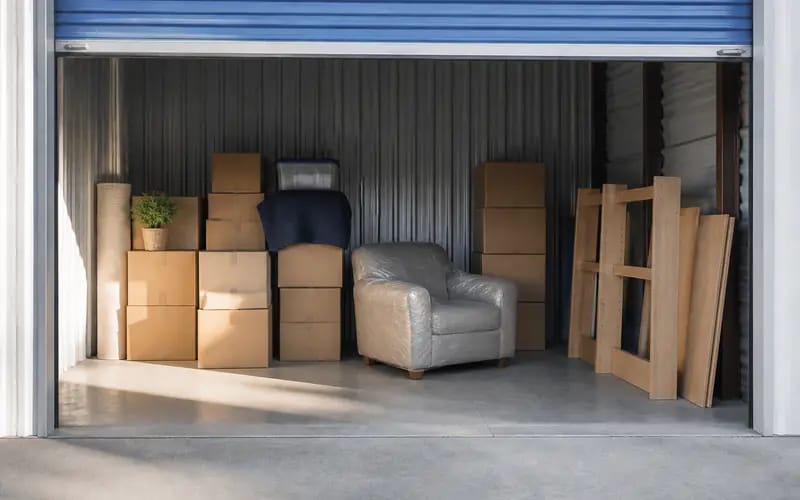
Many people moving house via Self Storage transfer their home contents insurance with them but soon discover that the storage items are only insured for a fraction of their true value or not at all.
Check Your Home Contents Policy First
Many home contents policies provide limited cover for items that are taken out of the home and stored. The amount of cover provided can be as low as a few hundred pounds and in some cases, none at all. It is always best to contact your insurer and confirm that your goods in storage will be covered prior to placing them in storage and obtain a written or a email confirmation of the terms prior to moving your goods.
Understand What the Facility’s Cover Includes
Many Self Storage operators offer their own insurance schemes. These are usually charged on a premium basis in respect of the amount of cover required. They are usually compulsory unless an operator is satisfied that alternative suitable insurance is in place. The cost for such storage insurance can vary depending upon the amount of cover required. Typically this could cost anywhere from £10 to £30 per month in addition to the cost for the storage of your items in the facility. That cost needs to be added to the rent for the facility in order to obtain an accurate cost for storage. Often the facility will confirm what is covered and what is NOT covered by their insurance, and also whether the insurance is optional or is included within the rent for storage.
Read the Exclusions Properly
You should read the exclusions properly before committing to a storage company’s insurance, as there are many instances in which claims will be declined. These include damage caused by damp or mould, pest infestation or cardboard box collapse. These types of damage can often be caused by poor packing or lack of maintenance of the stored goods. The free Money Helper guides to checking what your insurance covers include a detailed explanation of storage insurance exclusions.
Build a Proper Inventory Before You Pack

You need to ensure that you have enough evidence to prove what was in the storage space should there be a claim. This means that before you put items in storage, take photos of all of them. Keep any receipts or bank statements for items for which you have had payment from others. Make a list of all items to be stored with an estimated value for each of those with no proof of value. It will take you a couple of hours to complete this but could save weeks of anguish should you need to make a claim. If you want Self Storage Swindon, Anchor Self Storage Swindon is a good place to start.
Insure for Replacement Value, Not Purchase Price
A sofa that you purchased for £600 some 5 years ago could cost upwards of £900 to replace for an item of similar quality today. In addition to items of furniture, electronic goods and other personal effects also lose value over time. This means that if you are working off the original cost of items such as these then you could end up being underinsured. It’s sensible to take some time to list the contents of your home and work out what they would cost to replace new today.
Check the Excess and Per-Item Limits
Be sure to note the excess that would need to be paid by you on any claim, as well as the maximum amount that will be paid for any single item, as well as the overall maximum amount that will be paid on any claim. Many high value items kept in self storage Swindon units (musical instruments, etc) are excluded from coverage under a standard policy and would therefore require named cover.
Keep Your Paperwork Somewhere Accessible
It’s so obvious! Insurer documents and an inventory list of stored items will usually be stored in the storage unit itself. If that storage unit catches fire, suffers a flood or is robbed, you will need immediate access to your insurance documents and that stored inventory list. Store copies of these documents on your phone and hold copies at home. That way, when the worst happens, you can start your claim straight away.
When comparing prices of self storage facilities, ask if the insurance is included in the price of the storage or is optional. This will give you a better idea of the cost of storing your goods.