Creating the perfect sleeping environment involves more than just comfortable bedding and the right temperature. The moisture level in your bedroom air plays a crucial role in sleep quality and overall health. Many people struggle with dry air, especially during winter months or in arid climates. This dryness can lead to uncomfortable symptoms that disrupt sleep and affect daily well-being.
Modern moisture-adding devices offer an effective solution to combat dry indoor air. These appliances work quietly in the background to maintain optimal moisture levels. By understanding how to properly use and maintain these devices, you can transform your sleeping space into a comfortable sanctuary. The benefits extend beyond immediate comfort to long-term health improvements.
Understanding How Moisture Devices Work
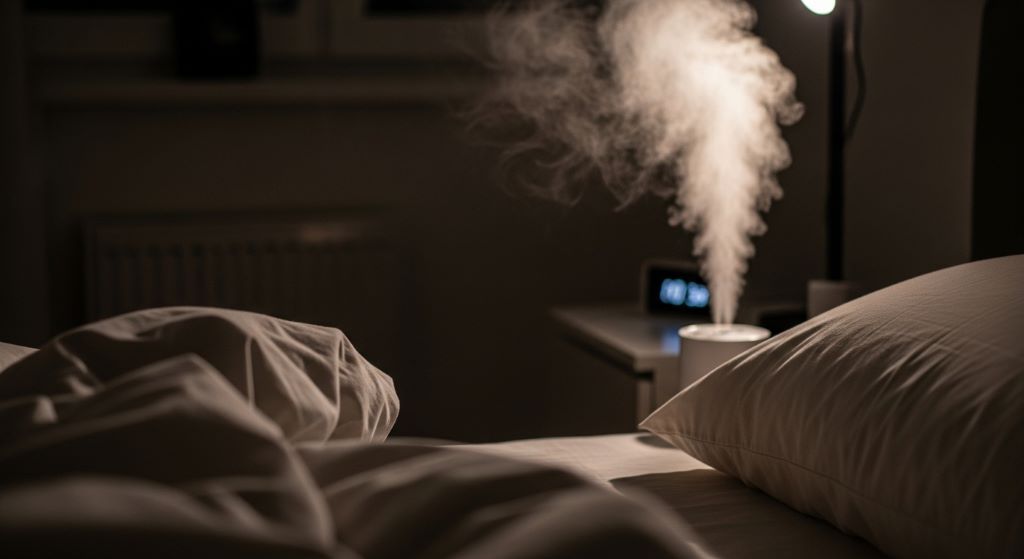
Modern moisture-adding appliances use various technologies to increase air moisture. The most popular type uses high-frequency vibrations to break water into tiny droplets. These microscopic particles then disperse into the air as a fine, cool mist. This process happens silently and efficiently, making it ideal for sleeping areas.
Unlike traditional evaporative models, these devices don’t require heating elements. Therefore, they consume less energy and pose no burn risks. Additionally, they produce a visible mist that many people find soothing to watch. The cool output also helps maintain comfortable room temperatures.
The technology behind these devices is remarkably simple yet effective. A small metal plate vibrates millions of times per second. This vibration causes water molecules to separate and float into the air. The result is pure water vapor without any additives or chemicals. This makes them safe for homes with children and pets.
Understanding this process helps you appreciate the importance of water quality. Since these devices disperse water directly into the air, impurities in the water become airborne too. Therefore, using clean water ensures you breathe clean, moisturized air. This connection between water quality and air quality cannot be overstated.
Benefits of Maintaining Proper Air Moisture
Proper air moisture levels provide numerous health and comfort benefits. First, they prevent respiratory discomfort caused by dry air. Dry nasal passages and throats can lead to irritation, coughing, and increased susceptibility to infections. However, adequately moisturized air keeps these passages healthy and functioning properly.
Second, appropriate moisture levels improve skin health. Dry air pulls moisture from your skin, leading to flakiness, itching, and premature aging. Moreover, existing skin conditions like eczema often worsen in dry environments. Maintaining bedroom humidity between 30 and 50 percent helps your skin retain its natural moisture.
Third, these devices reduce static electricity in your room. Static shocks from blankets or doorknobs are annoying and sometimes painful. Additionally, static can damage electronic devices. Proper moisture levels eliminate these problems entirely.
Fourth, wooden furniture and flooring benefit from stable moisture levels. Extremely dry air causes wood to crack and split. Furthermore, musical instruments can go out of tune or become damaged. Consistent moisture protects your valuable possessions.
Fifth, quality sleep becomes easier to achieve. Dry air often causes snoring and sleep disruptions. Conversely, properly moisturized air keeps airways open and comfortable. Therefore, you wake up feeling more refreshed and energized.
Choosing the Right Location for Your Device
Placement significantly impacts effectiveness and safety. The ideal location balances accessibility, stability, and air circulation. Consider these factors when deciding where to position your moisture-adding appliance.
Height matters more than many people realize. Placing the device on a nightstand or dresser allows mist to disperse properly. However, avoid placing it too close to your face or directly beside your bed. A distance of three to six feet from your sleeping area works well. This prevents excessive moisture from settling on bedding.
Surface stability ensures safety and prevents spills. Always use a flat, stable surface that can handle potential water drips. Additionally, consider placing a waterproof mat underneath for extra protection. This simple precaution prevents water damage to furniture.
Distance from electronics protects your valuable devices. Keep the appliance at least three feet away from computers, televisions, and other electronics. Moreover, ensure mist doesn’t blow directly toward these items. Excess moisture can damage circuits and reduce device lifespan.
Wall clearance allows proper air circulation. Position the device at least one foot away from walls and curtains. This prevents moisture buildup on surfaces and allows even distribution throughout the room. Furthermore, it reduces the risk of mold or mildew growth.
Accessibility for refilling makes maintenance easier. Choose a location you can reach comfortably for daily water changes. However, ensure cords don’t create tripping hazards. A spot near an electrical outlet but away from foot traffic is ideal.
Setting Up Your Device Properly
Proper initial setup ensures optimal performance and longevity. Follow these steps to get your moisture-adding appliance running correctly from the start.
First, thoroughly clean all components before first use. Wash the water tank with mild soap and warm water. Rinse completely to remove any manufacturing residues. Additionally, wipe down the base unit with a damp cloth. This initial cleaning removes dust and ensures pure mist production.
Second, fill the tank with appropriate water. Distilled or demineralized water works best for most devices. Tap water contains minerals that create white dust and buildup. However, some models include filters that make tap water acceptable. Check your manufacturer’s recommendations for specific guidance.
Third, assemble components according to instructions. Ensure the tank sits securely on the base. Moreover, verify that all parts click into place properly. Loose connections can cause leaks or reduced performance.
Fourth, plug the device into a grounded outlet. Avoid using extension cords if possible, as they can pose fire risks. Additionally, ensure the outlet isn’t controlled by a wall switch. This prevents accidental shutoffs that could empty the tank.
Fifth, adjust settings to your preferred level. Most devices offer multiple mist output settings. Start with a lower setting and increase as needed. Furthermore, some models include humidity sensors that automatically adjust output. These features help maintain consistent bedroom humidity levels.
Operating Your Device for Optimal Results
Daily operation involves more than just turning the device on. Strategic use maximizes benefits while minimizing potential problems. Follow these practices for best results.
Run your device during sleeping hours for maximum benefit. Starting it one hour before bedtime allows moisture to reach optimal levels. Additionally, this creates a comfortable environment by the time you’re ready to sleep. Some people prefer running it continuously, while others use it only at night.
Monitor moisture levels using a hygrometer. These inexpensive tools measure relative humidity accurately. Aim for readings between 30 and 50 percent. However, personal comfort varies, so adjust based on how you feel. Too much moisture can promote mold growth and dust mites.
Adjust output based on room size and conditions. Larger rooms require higher settings or longer operation times. Conversely, small bedrooms might need only minimal output. Additionally, consider seasonal changes that affect natural humidity levels.
Position adjustable nozzles strategically. If your device has directional mist output, aim it toward the center of the room. This promotes even distribution throughout the space. Moreover, avoid directing mist toward walls, windows, or furniture.
Use timers if available to conserve water and energy. Many modern devices include programmable timers. Set them to run during sleeping hours only. Therefore, you save resources while maintaining comfort when it matters most.
Maintaining Your Device for Long-Term Performance
Regular maintenance prevents problems and extends device lifespan. Establish a routine that includes daily, weekly, and monthly tasks. These simple practices ensure consistent performance and healthy air quality.
Daily maintenance requires minimal effort but significant impact. Empty any remaining water each morning. Stagnant water breeds bacteria and creates unpleasant odors. Additionally, wipe down the tank interior with a clean cloth. This prevents slime buildup and keeps water fresh.
Refill with fresh water daily, even if some remains. Yesterday’s water may contain bacteria or dissolved minerals. Moreover, fresh water ensures the purest mist production. This daily refresh takes only minutes but dramatically improves air quality.
Weekly cleaning involves deeper sanitization. Disassemble all removable parts and wash them thoroughly. Use white vinegar or manufacturer-recommended cleaning solution. Additionally, scrub away any mineral deposits with a soft brush. Rinse everything completely before reassembly.
Monthly deep cleaning targets hidden areas. Remove and clean the vibrating plate or nebulizer carefully. These components accumulate minerals that reduce efficiency. Furthermore, check filters if your model includes them. Replace filters according to manufacturer guidelines.
Storage during off-seasons prevents damage and mold growth. Thoroughly clean and dry all components before storing. Additionally, leave the tank lid off to promote complete drying. Store in a cool, dry place away from direct sunlight.
Troubleshooting Common Issues
Even well-maintained devices occasionally encounter problems. Understanding common issues and solutions saves money and frustration. Address these situations promptly to maintain optimal performance.
Reduced mist output often indicates mineral buildup. Check the nebulizer or vibrating plate for white deposits. Clean these areas with vinegar and a soft brush. However, if cleaning doesn’t help, the component may need replacement. Consult your user manual for part availability.
Unusual noises suggest mechanical problems or incorrect assembly. Ensure all parts fit together properly. Additionally, check for debris in the water tank or base. Sometimes, simply reseating the tank solves noise issues.
White dust on surfaces comes from minerals in tap water. Switch to distilled water to eliminate this problem. Moreover, some devices offer demineralization cartridges. These accessories filter minerals before mist production. Therefore, you can use tap water without creating dust.
Musty odors indicate bacterial growth. This requires immediate attention for health reasons. Thoroughly disinfect all components with vinegar or diluted bleach solution. Additionally, commit to more frequent water changes. Prevention through regular cleaning beats dealing with contamination.
Leaking usually stems from improper assembly or cracks. Inspect all seals and gaskets for damage. Furthermore, ensure the tank sits level on the base. If cracks appear, replacement parts are often available. However, severe damage might require buying a new unit.
Enhancing Air Quality Beyond Basic Operation
Additional strategies complement your moisture-adding device for superior air quality. These practices create a healthier, more comfortable sleeping environment. Consider implementing several of these enhancements.
Essential oils add pleasant scents when used properly. However, never add oils directly to the water tank unless specifically designed for that purpose. Instead, use diffuser trays or designated compartment if available. Additionally, choose high-quality, pure essential oils. Lavender promotes relaxation, while eucalyptus supports respiratory health.
Air purifiers work synergistically with moisture devices. Running both simultaneously removes particles while adding moisture. Moreover, this combination addresses multiple air quality concerns. Place them in different areas of the room for best results.
Regular room ventilation prevents excessive moisture buildup. Open windows for 10 to 15 minutes daily when weather permits. This exchange refreshes indoor air and prevents stuffiness. However, close windows when outdoor humidity is very high.
Plants naturally regulate moisture and filter air. Certain species like Boston ferns and peace lilies excel at both functions. Additionally, they add aesthetic value to your bedroom. Choose varieties that thrive in your lighting conditions.
Temperature control works hand in hand with moisture management. Cooler temperatures feel more comfortable with adequate moisture. Therefore, you might lower your thermostat slightly while running your device. This saves energy and improves sleep quality.
Safety Considerations and Best Practices
Safe operation protects your family and home from potential hazards. While modern devices are generally safe, following guidelines prevents accidents. Implement these safety measures consistently.
Electrical safety starts with proper outlet use. Never operate the device with wet hands. Additionally, unplug it before cleaning or refilling. Keep cords away from water sources and ensure they’re not frayed or damaged.
Child and pet safety requires strategic placement. Position the device where curious hands or paws can’t reach it. Moreover, ensure it’s stable enough that bumping won’t knock it over. Some models include child locks on control panels.
Mold prevention requires vigilance and proper moisture levels. Never allow bedroom humidity to exceed 50 percent for extended periods. Furthermore, inspect walls and ceilings regularly for condensation or mold growth. Address any signs immediately by reducing output.
Water quality affects health significantly. Always use clean, fresh water. Additionally, consider water testing if you use tap water regularly. Some areas have water with concerning contaminant levels. Distilled water eliminates these concerns entirely.
Fire safety involves keeping the device away from heat sources. Don’t place it near radiators, space heaters, or direct sunlight. Moreover, ensure adequate ventilation around the unit. Overheating, though rare, can occur if airflow is blocked.
Maximizing Energy Efficiency
Efficient operation reduces electricity costs while maintaining comfort. Smart practices minimize energy waste without sacrificing performance. Implement these strategies to optimize efficiency.
Right-sizing your device for your room saves energy. Oversized units waste electricity and create excess moisture. Conversely, undersized devices run constantly without achieving desired results. Check manufacturer room size recommendations before purchasing.
Programmable features reduce unnecessary operation. Use built-in timers to run the device only when needed. Additionally, automatic shut-off when water runs out prevents dry running. These features protect the device and save energy.
Proper maintenance ensures efficient operation. Clean devices run more effectively than dirty ones. Therefore, regular cleaning actually reduces energy consumption. Mineral buildup forces the device to work harder.
Strategic scheduling aligns operation with occupancy. Run the device primarily when you’re in the room. However, starting it before bedtime ensures comfort when you arrive. This targeted approach minimizes waste.
Seasonal adjustments account for changing humidity needs. Winter typically requires more operation than summer in most climates. Moreover, rainy seasons naturally increase humidity. Adjust usage accordingly to avoid over-humidification.
Understanding Seasonal Considerations
Different seasons present unique challenges for bedroom humidity management. Adapting your approach throughout the year maintains optimal comfort. Consider these seasonal factors when operating your device.
Winter demands the most intensive moisture addition. Heating systems dramatically dry indoor air. Additionally, cold outdoor air holds less moisture naturally. Therefore, your device will likely run more frequently during winter months. Monitor levels closely to prevent excessive dryness.
Spring brings variable conditions requiring flexibility. Some days may be humid while others remain dry. Moreover, seasonal allergies affect many people during spring. Proper moisture levels can help alleviate some symptoms. Adjust operation daily based on weather conditions.
Summer usually requires less artificial moisture addition. Higher outdoor humidity naturally increases indoor levels. However, air conditioning removes moisture from indoor air. Therefore, you might still need occasional operation. Focus on maintaining comfort rather than continuous use.
Fall transitions between summer and winter patterns. Gradually increase usage as temperatures drop and heating systems activate. Additionally, this season offers opportunity for thorough device maintenance. Prepare your appliance for heavy winter use.
Conclusion
Maintaining comfortable bedroom humidity creates significant improvements in sleep quality and overall health. Modern cool mist devices offer an efficient, safe, and effective solution for dry indoor air. Proper placement, operation, and maintenance ensure these appliances perform optimally for years.
Understanding the technology behind ultrasonic humidifiers helps you use them more effectively. Regular cleaning prevents bacterial growth and mineral buildup. Additionally, using appropriate water quality produces pure, healthy mist. Strategic timing and placement maximize benefits while minimizing potential problems.
The investment in a quality moisture-adding device pays dividends through better sleep, healthier skin, and improved respiratory comfort. Seasonal adjustments and safety practices protect your home and family. Moreover, energy-efficient operation keeps costs reasonable while maintaining ideal conditions.
By following the guidelines outlined in this article, you can transform your bedroom into a comfortable sanctuary. The combination of proper setup, consistent maintenance, and strategic operation creates the perfect sleeping environment. Take control of your indoor air quality and enjoy the numerous benefits of optimal bedroom humidity levels.
Frequently Asked Questions
How often should I clean my cool mist humidifier?
You should empty and rinse your humidifier daily, replacing the water with fresh supply each time. Perform a thorough cleaning with vinegar or mild cleaning solution at least once per week. Monthly deep cleaning should include all components, especially the nebulizer or vibrating plate. Consistent cleaning prevents bacterial growth and mineral buildup that can affect performance and air quality.
What is the ideal humidity level for a bedroom?
The optimal bedroom humidity range is between 30 and 50 percent. Most people find 40 to 45 percent most comfortable for sleeping. Levels below 30 percent cause dry skin and respiratory irritation. However, humidity above 50 percent can promote mold growth and dust mites. Use a hygrometer to monitor levels accurately and adjust your device accordingly.
Can I use tap water in my humidifier?
While you can use tap water, distilled or demineralized water is strongly recommended. Tap water contains minerals that create white dust on surfaces and build up inside the device. This buildup reduces efficiency and requires more frequent cleaning. If you must use tap water, consider models with built-in demineralization filters. Some manufacturers void warranties if tap water causes damage.
How long should I run my humidifier each day?
Running time depends on room size, current humidity levels, and personal comfort. Many people run their devices for 8 to 12 hours during sleeping hours. Start the humidifier one hour before bedtime to establish comfortable levels. Use a hygrometer to determine when optimal humidity is reached. Some devices include humidistats that automatically maintain desired levels.
Is it safe to add essential oils to my humidifier?
Only add essential oils if your device specifically includes a designated tray or compartment for them. Never add oils directly to the water tank of an ultrasonic humidifier not designed for this purpose. Oils can damage internal components and void your warranty. They may also create sticky residue that’s difficult to clean. Use a separate essential oil diffuser if your humidifier isn’t designed for aromatherapy.
Related Topics:
Beyond Cardboard Boxes: Curating Your Vinyl Legacy with Thoughtful Storage
Home Improvement on a Budget: Affordable Décor Ideas for Every Room