A garage door should move smoothly every time you press the opener button. However, many homeowners experience unexpected lifting problems that interrupt daily routines. According to industry estimates, garage doors complete more than 1,500 open and close cycles each year. Additionally, nearly 70% of homeowners use the garage as their primary entrance, making reliable operation essential. If your setup includes a low headroom garage door track, proper installation and adjustment become even more important for dependable performance.
This guide explains why a garage opener jams while lifting in Phoenix, AZ. You will learn the most common causes, practical solutions, and maintenance tips that help prevent future issues. Moreover, these recommendations can improve safety while extending the lifespan of your garage door system.
Common Reasons a Garage Opener Jams During Lifting
Several mechanical and environmental factors can interrupt smooth garage door movement. Furthermore, identifying the actual cause prevents unnecessary repairs and replacement costs. Before making upgrades, many homeowners also improve organization through a garage glam up project that keeps tracks free from clutter.
Misaligned Tracks
Garage door tracks must remain perfectly aligned for consistent movement. Even a slight bend can cause rollers to bind while lifting. Consequently, the opener struggles until the safety system stops operation.
Worn Rollers
Rollers wear down after years of repeated use. As a result, damaged rollers create extra friction against the tracks. That resistance often causes noticeable jerking during lifting.
Broken or Weak Springs
Torsion and extension springs balance the garage door weight. When spring tension decreases, the opener must carry additional load. Therefore, the motor may stall before completing the lift.
Incorrect Opener Force Settings
Modern openers include adjustable force and travel settings. Incorrect adjustments prevent proper lifting under normal conditions. Fortunately, careful calibration often restores smooth operation.
How Phoenix Weather Affects Garage Door Performance
Phoenix experiences intense heat throughout much of the year. High temperatures expand metal components and reduce lubricant effectiveness. Consequently, moving parts experience greater resistance during operation.
Dust also creates ongoing maintenance challenges across the region. Fine particles settle inside tracks, rollers, and hinges every week. While improving your home’s appearance with garage door trim, remember to clean mechanical components regularly.
Extreme heat can also affect plastic gears inside some opener systems. Over time, those parts become brittle and eventually crack. Therefore, periodic inspections help identify wear before complete failure occurs.
Signs Your Garage Opener Needs Immediate Attention
Small warning signs often appear before complete system failure. Paying attention early reduces repair costs while improving overall safety. Moreover, prompt action prevents additional damage to surrounding components.
- The garage door stops halfway during lifting.
- The opener makes grinding or clicking sounds.
- The motor runs without moving the door.
- The door moves unevenly on each side.
- The opener reverses without reaching the fully open position.
- The remote responds inconsistently.
If you also plan to improve usability, consider ideas to turn your garage into a functional space while addressing mechanical issues at the same time.
Practical Troubleshooting Steps
Many lifting problems have straightforward solutions before professional service becomes necessary. However, always disconnect power before inspecting mechanical parts. Safety should remain the highest priority throughout every inspection.
Inspect the Tracks
Look for dents, loose brackets, or visible misalignment along both tracks. Remove dirt using a clean cloth instead of harsh chemicals. Afterwards, verify that rollers move freely throughout the entire path.
Check the Rollers
Examine every roller for cracks, flat spots, or excessive wear. Nylon rollers often operate more quietly than older metal versions. Replacing damaged rollers reduces friction immediately.
Lubricate Moving Parts
Apply garage door lubricant to hinges, bearings, and rollers regularly. Avoid using heavy grease because it attracts additional dust. Instead, choose products designed specifically for garage door systems.
Test the Door Balance
Disconnect the opener using the emergency release cord carefully. Lift the door halfway by hand before letting go gently. If the door falls quickly, spring adjustment is likely necessary.
Inspect the Safety Sensors
Dirty or misaligned safety sensors interrupt opener operation unexpectedly. Wipe both sensor lenses with a soft cloth regularly. Then confirm both indicator lights remain steady.
When the Opener Motor Is the Problem
Sometimes the opener itself causes repeated lifting failures. Internal gears, circuit boards, or drive systems eventually wear out. Therefore, accurate diagnosis becomes important before replacing other components.
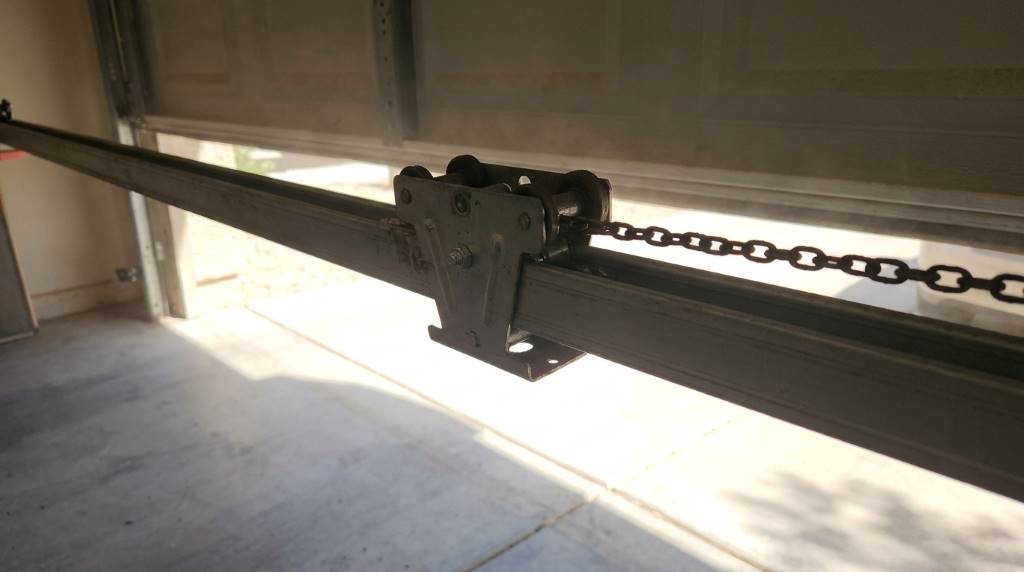
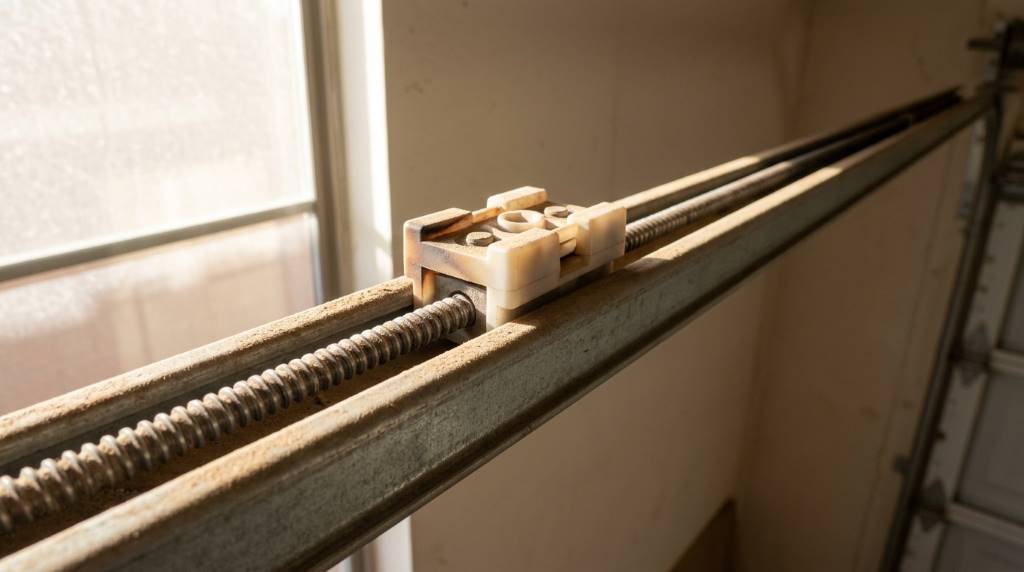
Chain drive openers require periodic tension adjustments for reliable performance. Belt drive systems generally operate more quietly with fewer vibrations. Screw drive openers also need consistent lubrication under hot conditions.
If your opener exceeds fifteen years of service, replacement may provide better long term value. Newer models include stronger motors and improved safety technology. Additionally, many support smartphone monitoring and remote access features.
Maintenance Tips That Prevent Future Jams
Preventive maintenance keeps garage doors operating smoothly throughout every season. Consistent care also reduces emergency repair costs significantly. Moreover, routine inspections identify minor issues before major failures develop.
- Clean tracks every month.
- Lubricate moving parts every six months.
- Tighten loose hardware regularly.
- Replace worn rollers promptly.
- Test balance twice each year.
- Schedule professional inspections annually.
Following a simple maintenance schedule increases system reliability considerably. As a result, the opener experiences less strain during every lifting cycle. Your garage door also operates more quietly throughout the year.
Should You Repair or Replace the Opener?
The answer depends on the system’s age and overall condition. Minor component failures usually justify affordable repairs. However, repeated breakdowns often indicate deeper mechanical problems.
Compare repair costs against replacement value before making a final decision. New garage opener systems deliver better energy efficiency and improved security features. Furthermore, updated technology often requires less maintenance over time.
Final Thoughts
A garage opener that jams while lifting rarely fails without warning signs. Careful inspections, regular maintenance, and timely repairs keep the entire system operating safely. Understanding the common causes helps you respond before expensive damage occurs.
If your garage opener continues jamming after basic troubleshooting, contact a qualified garage door technician for a complete inspection. Professional service ensures safe repairs while protecting your investment for many years.
Frequently Asked Questions
Why does my garage opener stop halfway while lifting?
It usually stops because of track resistance, spring problems, or incorrect opener settings.
Can Phoenix heat damage my garage opener?
Yes, prolonged heat can affect lubricants, plastic gears, and electronic components.
How often should garage door parts be lubricated?
Most garage doors benefit from lubrication every six months under normal conditions.
Is it safe to adjust garage door springs myself?
No, spring adjustments involve high tension and should always be handled professionally.
When should I replace my garage opener?
Replacement becomes worthwhile when repairs become frequent or the opener exceeds fifteen years of age.