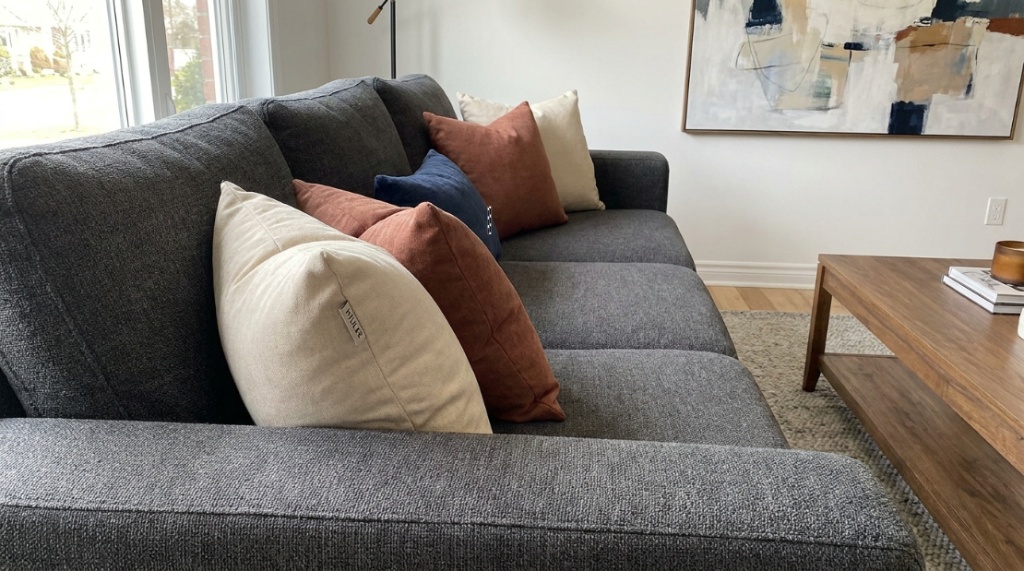
Finding the perfect throw pillow can be surprisingly frustrating. You buy a beautiful cover, insert a cheap filler, and end up with a lumpy, flat cushion that makes your sofa look tired. The real battle is often finding an insert that provides the right balance of firmness, shape retention, and plumpness—without costing a small fortune. If you have been searching for a reliable solution, you have likely encountered the need to identify the best MIULEE throw pillow inserts for your specific seating arrangements.
MIULEE has become a household name in the home decor space, specifically for their affordable fabric covers and cushion fillers. However, with multiple options available in their lineup, choosing the right one isn’t always intuitive. This guide breaks down their popular insert models, compares firmness levels, and explains how to choose the right size and fill material to achieve that “fluffy showroom look” you see in interior design magazines.
Key Takeaways
- Firmness matters for aesthetics: If you want a structured, upright pillow that looks great in photos, you generally need a “firm” insert, whereas “soft” options are better for lounging and sleeping.
- Size up for the perfect fit: To make pillow covers look full rather than deflated, you almost always need to purchase an insert that is 1–2 inches larger than the cover size.
- Material determines longevity: Polyester fiber fill offers excellent affordability and resilience, but the quality of the baffle box construction dictates whether the pillow stays lump-free over time.
- Consider the “Overfilled” specification: Many of the best MIULEE throw pillow inserts feature a 10% overfill design specifically to prevent the “sad pillow” look.
Why Choosing the Right Insert Is More Important Than the Cover
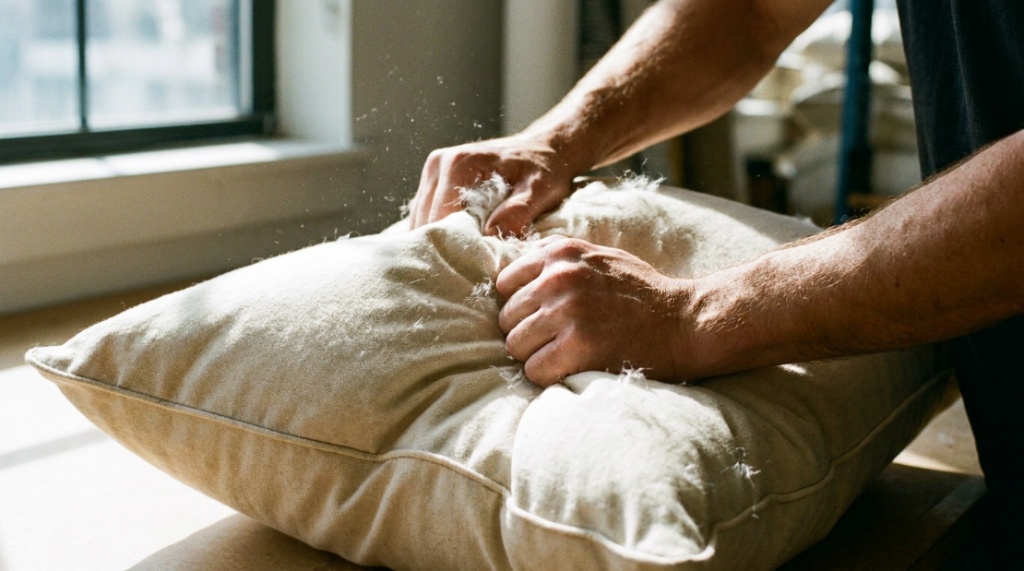
Many homeowners spend hours choosing the perfect fabric pattern but only minutes picking the filler. This is a mistake. The insert dictates the silhouette of your couch or bed. A high-end cover draped over a thin, creased insert will look cheap, regardless of the fabric’s thread count.
The goal is to find an insert that provides a “crisp” look—sharp corners, smooth surfaces, and enough bounce to recover after someone sits on it. The ideal insert should fill out the cover entirely, eliminating wrinkles and gaps at the seams. The decision usually boils down to two primary factors: the type of fill material and the specific model line you select.
Exploring the MIULEE Insert Lineup
MIULEE offers several distinct categories of inserts. While they all utilize high-quality synthetic materials, they serve different purposes. For readers comparing options, the best MIULEE throw pillow inserts typically fall into one of the following categories based on your usage case.
The “Ultra Soft” Down Alternative Insert
The “Ultra Soft” line is designed for comfort. These inserts are covered in a soft, velvety microfiber casing that mimics the feel of real down without the allergens. Because the fiberfill is loose and highly resilient, these pillows feel plush and inviting.
Best Use Case: These are ideal for beds or reading nooks where you will be leaning back for extended periods. They are durable enough to support your neck and back but soft enough to hug. However, due to the softness of the fill, they may not hold up perfectly as a structured decorative accent piece on a formal armchair.
The “Firm Support” Polyester Insert
If you are styling a couch or an upright chair, you need the “Firm Support” model. These inserts feature a dense, baffle-box construction that holds the fill in place. This prevents the corners from emptying out and keeps the pillow looking taut and plump. The fabric casing is typically a smooth cotton-poly blend that prevents the cover from slipping.
These inserts sit up straight and hold their shape. They are the go-to choice for interior designers who want a polished, finished look. The downside is that they are not ideal for sleeping; they are often too stiff to use as a comfortable headrest.
Comparing Fill Materials: Down vs. Down Alternative
While MIULEE primarily offers down-alternative products (polyester), it’s important to understand the difference in the market:
- Down Feathers: Offer luxury feel and high compressibility, but may poke through fabric and trigger allergies.
- Down Alternative (Polyester): Hypoallergenic, cruelty-free, easy to wash, and much more affordable. MIULEE specializes in this category, making their products a safe choice for households with allergy sufferers.
Firmness Levels: Soft vs. Medium vs. Firm
Once you know you need a MIULEE insert, the most critical decision is selecting the density. Getting this wrong is the number one reason people are unhappy with their purchases.
Soft (Comfort and Lounging)
Soft inserts compress easily. They are perfect for creating a cozy, relaxed vibe for bedrooms or family rooms. In a soft insert, you can often “mold” the pillow into a shape that supports your arm or head. The trade-off is that a soft insert will not hold its shape perfectly on its own; it may slump in the middle if placed on a firm backrest.
Firm (Structure and Aesthetics)
Firm inserts are the secret to a professional-looking living room. They maintain a sharp edge and resist slouching. However, sit against one for too long and you’ll likely find yourself shifting to a softer alternative. They are meant for decoration and back support rather than napping.
Recommendation: For a balanced look, consider using firm inserts for the main decorative pillows on your sofa and soft inserts for the lumbar pillows or the ones you actually lean against.
Choosing the Right Size: The “Overfill” Guide
One of the most common questions is, “What size insert should I buy for an 18×18 cover?” The answer almost always involves sizing up.
Standard sizing in the home decor industry usually requires a larger insert to achieve a full look. If you insert an 18×18 filler into an 18×18 cover, you will likely get a flat, pancake-like appearance because the cover holds the insert tight.
You should generally size up by 1 to 2 inches. For example:
- If your cover is 16×16, buy an 18×18 insert.
- If your cover is 18×18, buy a 20×20 insert.
- If your cover is 20×20, buy a 22×22 insert.
MIULEE specifically markets their inserts with a “10% overfilled” specification. This means the insert is packed with slightly more fill than the dimensions suggest. This extra fluff is a deliberate design choice to stretch the fabric of the cover, removing wrinkles and creating that crisp, sharp edge.
Understanding Feathers and Fiber: The Baffle Box
To prevent the fiberfill from shifting and clumping, high-quality inserts utilize a “baffle box” design. This is an internal grid of fabric walls that separate the pillow into compartments. When you purchase a higher-end MIULEE insert (usually the Firmer ones), this baffle box construction keeps the polyester fiber evenly distributed. Cheap inserts lack this and often lose their shape within a week of use.
How to Restore and Maintain Your Inserts
Even the best MIULEE throw pillow inserts will lose some fluffiness over time due to compression from sitting and sleeping. To extend their lifespan, follow these maintenance steps:
The Drying Trick
Many people forget that polyester fiber can be “fluffed” back to life. If your insert looks flat, place it in a tumble dryer on a NO-HEAT or AIR-ONLY setting. Tumble with two clean tennis balls. The balls will beat the fiber into submission, breaking up the compressed clumps of polyester. This is the most effective way to, giving your pillow an instant facelift.
Washing Considerations
Unlike a cover, inserts should not be washed frequently. Washing can break down the fiber bonds. If you need to freshen up the insert, spot-clean stains and use a vacuum upholstery attachment to remove dust and allergens. If washing is necessary, always use cold water and ensure the pillow is 100% completely dry before placing it back inside the cover to prevent mold growth.
Common Mistakes to Avoid
Avoiding these pitfalls will save you time and money:
- Sleeping on the decorative insert: You will ruin the tautness quickly. Use soft versions for sleeping.
- Buying the exact same size: Remember, you size up for a plump look.
- Expecting “Zero” wrinkles: While quality inserts reduce wrinkles, the type of cover fabric (linen versus velvet) also affects appearance. Linen will crease naturally.
- Not checking the zipper placement: Some higher-end covers have a hidden zipper. If your cover has a loose string or decorative trim, a very firm insert might push against the seams and create bulging distortion.
Where to Place Specific Firmness Levels
To maximize the usability and aesthetic of your space, match the insert to the location:
| Location | Recommended Firmness | Reasoning |
|---|---|---|
| Formal Living Room Sofa | Firm | Maintains upright posture for a clean, symmetrical look. |
| Master Bedroom | Soft | Creates a cozy, inviting bedscape that is comfortable to lean against while reading. |
| Home Office Chair | Firm | Provides lumbar support and maintains structure during the working day. |
| Kids Playroom | Medium | Durable enough to handle throw-away play but soft enough to lie on. |
Frequently Asked Questions
What is the difference between a down insert and a down-alternative insert?
Down inserts use natural goose or duck feathers, offering premium softness and warmth. Down-alternative (like MIULEE) uses synthetic polyester fibers that mimic the feel of down. The key benefit of down-alternative is that it is hypoallergenic, less expensive, and retains its shape better in humid climates without the risk of feathers poking through the fabric.
Can I wash a MIULEE throw pillow insert in a washing machine?
Yes, but sparingly. Use a front-loading machine or a top-loader without a central agitator to avoid tearing the casing. Wash on a gentle cycle with cold water and mild detergent. Afterward, tumble dry on air fluff with tennis balls to restore the loft. Frequent washing can deteriorate the fiber, so it is better to wash the cover and spot-clean the insert when possible.
Why do my pillows look smaller than my cover even though they are the same size?
This usually occurs because the cover’s seam allowance takes up space. Almost all covers are slightly smaller than their stated dimensions. Therefore, an 18×18 insert fits loosely inside an 18×18 cover. To get a “full” look, you need an insert that is larger than the cover to fill the volume and stretch the seams.
Are MIULEE inserts good for sleeping?
That depends on the firmness you choose. The “Ultra Soft” line is suitable for back sleepers or side sleepers who prefer a low-loft, flatter pillow. The “Firm” line is generally too rigid for sleeping and is better suited for decorative purposes or sitting support.
How do I make my insert look plump again?
Place the insert in a dryer on a no-heat, air-fluff cycle with two tennis balls. The balls help separate the clumped polyester fibers. You can also try “plumping” the pillow by folding it in half and clapping your hands against it to redistribute the fill manually.
Conclusion
Finding the right insert is a matter of matching the density to your function. If you prioritize comfort and a casual look, select the soft variations. If you are styling a room for guests or want to impress with a polished aesthetic, choose firm inserts with the overfill construction. While the quality of MIULEE inserts makes a strong choice for budget-conscious consumers, you may also find that mixing firm and soft options throughout your home provides the best versatility. Measure your covers, add an inch or two, select the right firmness, and use the air-fluff dryer trick to keep your pillows looking brand new for years to come.